Building Gundam Kits
Published How we research
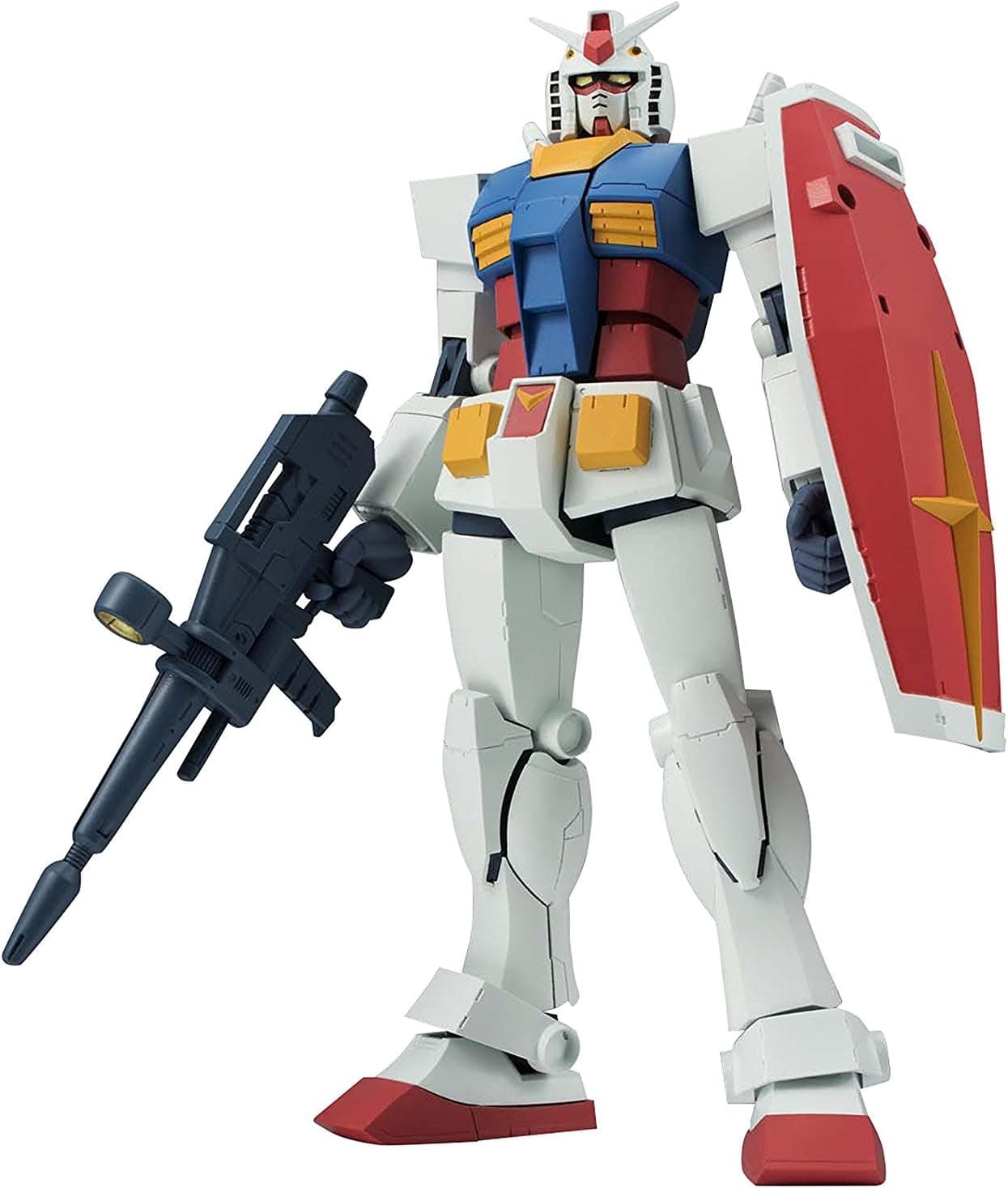
Gunpla kits snap together without glue, and the grade system determines complexity: HG at 1/144 is the standard beginner recommendation, RG packs master-grade detail into small scale, MG offers larger models with inner frames, and SD kits build in an evening. Only two tools are truly essential, quality nippers and a hobby knife, with the two-cut method preventing stress marks on snap-fit parts. Panel lining and matte topcoating are the finishing techniques that transform a snapped-together kit into something convincingly mechanical, using water- or alcohol-based liners to avoid cracking joints. Waterslide decals look better than stickers on flat surfaces. Gunpla scales to whatever effort you want to invest. Gundam plastic models, universally known as Gunpla, are the most approachable entry point in all of scale modeling. The kits snap together without glue, arrive molded in their final colors, and articulate like action figures when complete. That accessibility is deceptive in the best way, because the same kits reward every advanced technique in the hobby, from seam removal to full custom paint. Millions of builders never touch a paintbrush, and millions of others treat Gunpla as a canvas.
Products from this article
The highest-scoring picks from the buying guides this article links to. Scores are our editorial assessment, not customer ratings.
+ Updated Ver. 2.0 engineering improves joint strength and posing
From our guide: Best Gundam Model Kits: Top Gunpla for Every Grade
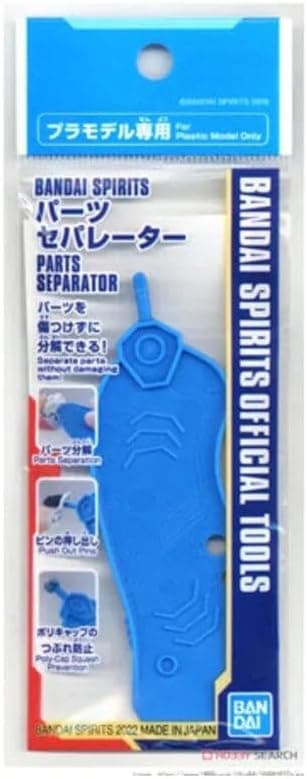
+ Official Bandai tool shaped for snap-fit Gunpla joints
From our guide: Best Parts Separators: Open Seams Without Damage
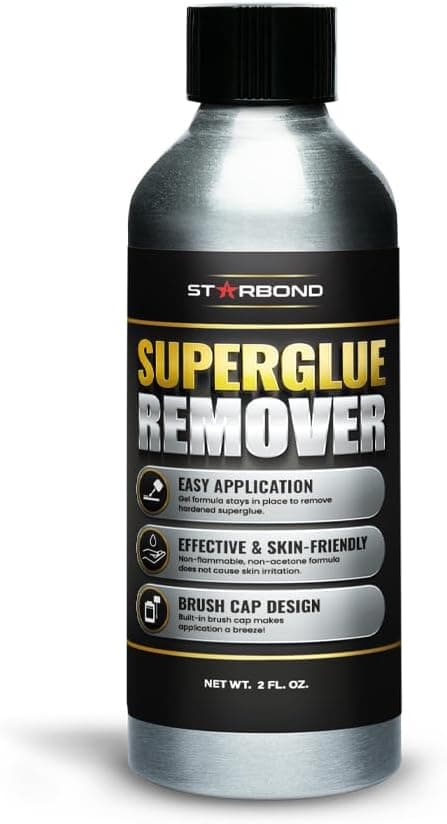
+ Brush cap applies debonder right onto the glued joint
From our guide: Best Glue Debonders for Modelers: Undo CA Mistakes Without Damage
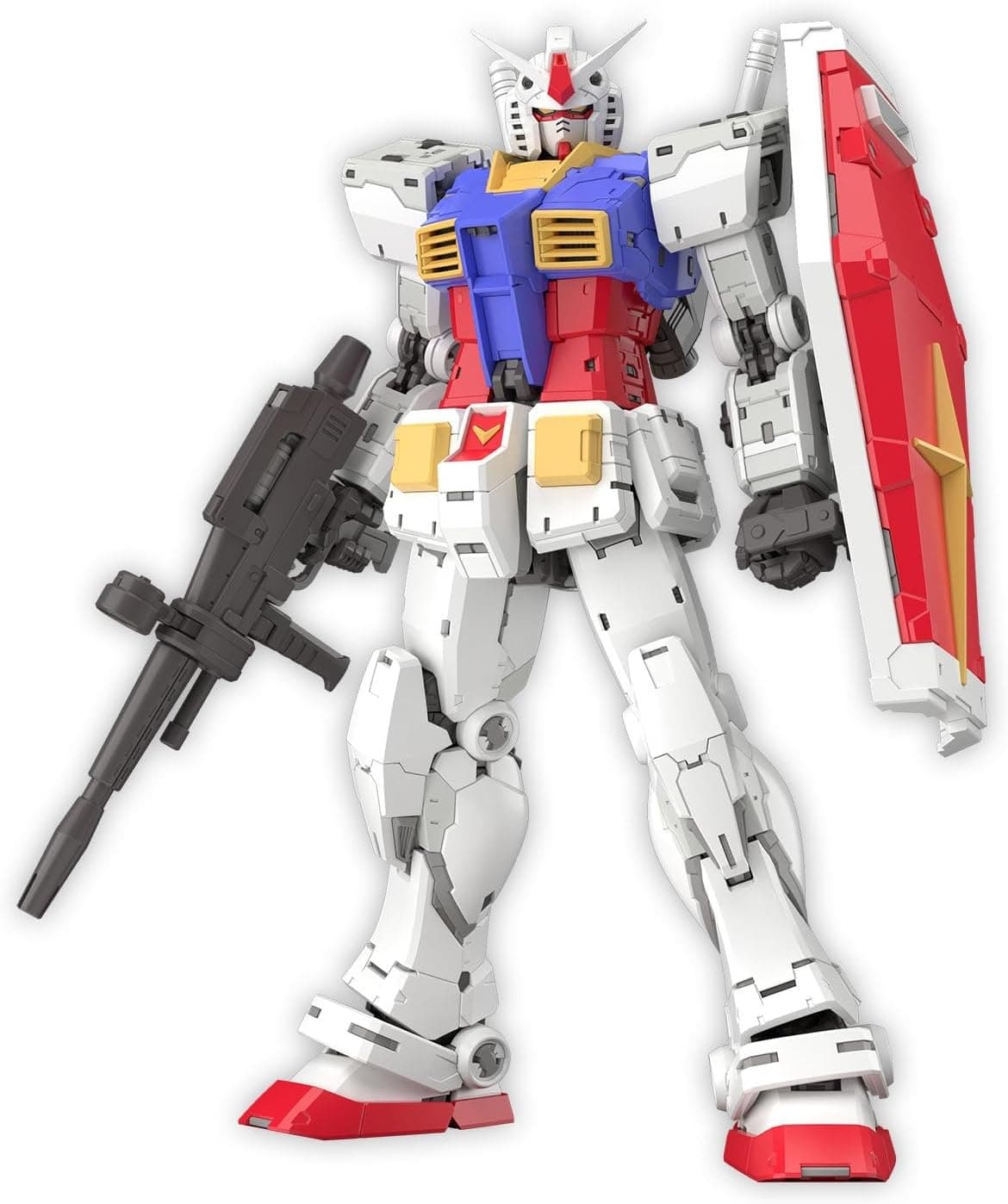
+ Master Grade size makes detail easier to see and paint
From our guide: Best Gundam Model Kits: Top Gunpla for Every Grade
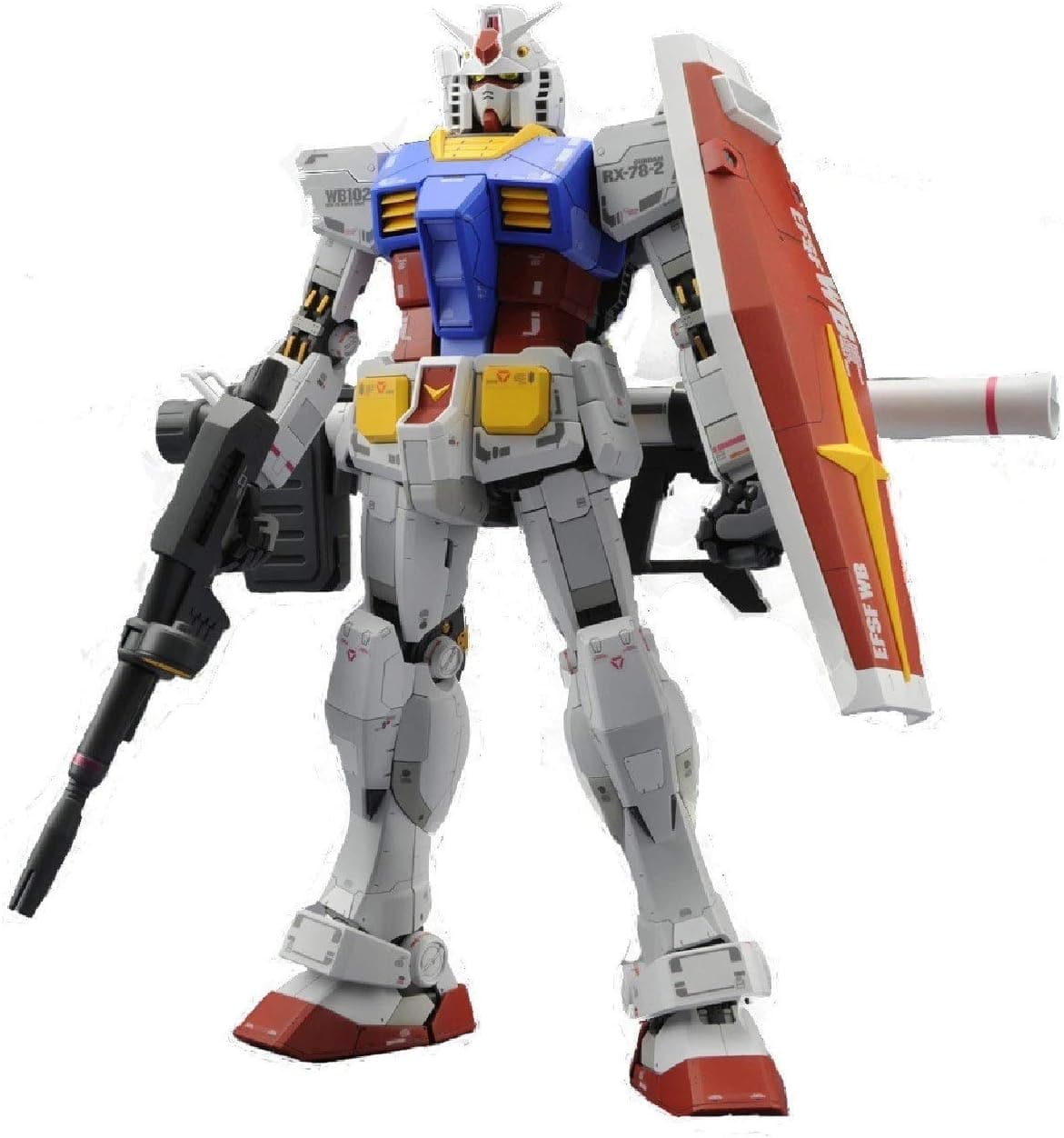

The grade system is the first thing to understand
The grade system is the first thing to understand. High Grade, or HG, kits at 1/144 scale are the standard recommendation for beginners, with moderate part counts, strong engineering, and enormous catalog variety. Real Grade, or RG, packs master-grade-level detail into the same small scale, at the price of many tiny parts and some fragility. Master Grade, or MG, at 1/100 offers larger models with inner frames and refined articulation. Perfect Grade kits are large, expensive engineering showcases, and SD kits are small stylized caricatures that build in an evening. Start with an HG from a recent release, since kit engineering has improved dramatically over the years.
Only two tools are truly essential
Only two tools are truly essential: a good pair of nippers and a hobby knife. Because Gunpla parts snap together with friction pegs, clean gate removal matters even more than on glued kits, and the two-cut method with flat-bladed nippers prevents the white stress marks that plague hurried builds. A single-blade premium nipper is a popular upgrade for a reason, producing gate cuts that nearly disappear. Sanding sticks, tweezers for foil stickers, and a parts tray round out a comfortable setup for the cost of a kit or two.
The finishing techniques that transform a kit
The finishing techniques that transform a snapped-together kit are panel lining and topcoating. Gunpla surfaces carry engraved mechanical detail that a fine lining marker or pour-type lining liquid turns from invisible to striking. On bare plastic, prefer water- or alcohol-based liners over strong enamel solvents, which can crack stressed snap-fit joints. After lining and decals or stickers, a spray of matte topcoat unifies the plastic sheen, hides the toylike shine, and makes even an unpainted kit look convincingly mechanical. This simple sequence of build, line, and topcoat is the standard recipe for a shelf-ready Gunpla.
Decals deserve a brief word of their own
Decals deserve a brief word of their own. Kits variously include foil stickers, dry transfers, and waterslide decals, and aftermarket waterslide sheets exist for most popular kits. Waterslides look dramatically better than stickers on flat surfaces and respond to the same setting-solution techniques used on aircraft models. Placement freedom is part of Gunpla culture, so warning markings and unit codes go wherever looks right to you, with box art and online builds serving as inspiration rather than law.
From there, the hobby opens in every direction
From there, the hobby opens in every direction. Builders progress to removing seam lines on older kits, painting inner frames, custom color schemes with airbrushed gradients, battle damage, LED lighting, and full scratch-built modifications. Nothing in that progression invalidates the simple pleasure of an evening snap build. Gunpla scales to exactly the effort you feel like investing, which is why it serves equally well as a gateway into scale modeling and as a lifelong hobby of its own.
Frequently asked questions
What Gunpla grade should beginners start with? High Grade (HG) kits at 1/144 scale, the standard recommendation for beginners, offering moderate part counts, strong engineering, and enormous catalog variety, ideally from a recent release.
What tools do you need to build Gunpla kits? Only two are truly essential: a good pair of nippers and a hobby knife, since clean gate removal with the two-cut method matters even more on snap-fit Gunpla parts than on glued kits.
What makes an unpainted Gunpla kit look more realistic? Panel lining to make engraved mechanical detail pop, followed by a spray of matte topcoat that unifies the plastic sheen and hides the toylike shine, the standard build-line-topcoat recipe.
Should I use enamel or water-based liners on Gunpla? Prefer water- or alcohol-based liners over strong enamel solvents on bare plastic, since enamel solvents can crack stressed snap-fit joints.
Popular right now
- Best Magnifiers for Scale ModelingBuying guide
- Best Modeling Putty: Fill Seams and Gaps Like a ProBuying guide
- Best Airbrush Cleaners for ModelersBuying guide
- Best Hobby Lamps for Model BuildingBuying guide
- Best Brush Sets for Model Painting: Detail Brushes That Keep Their PointBuying guide
- Restoring Old Model KitsArticle
Based on the last 28 days of search and visitor data.