Display and Dust Protection
Published How we research
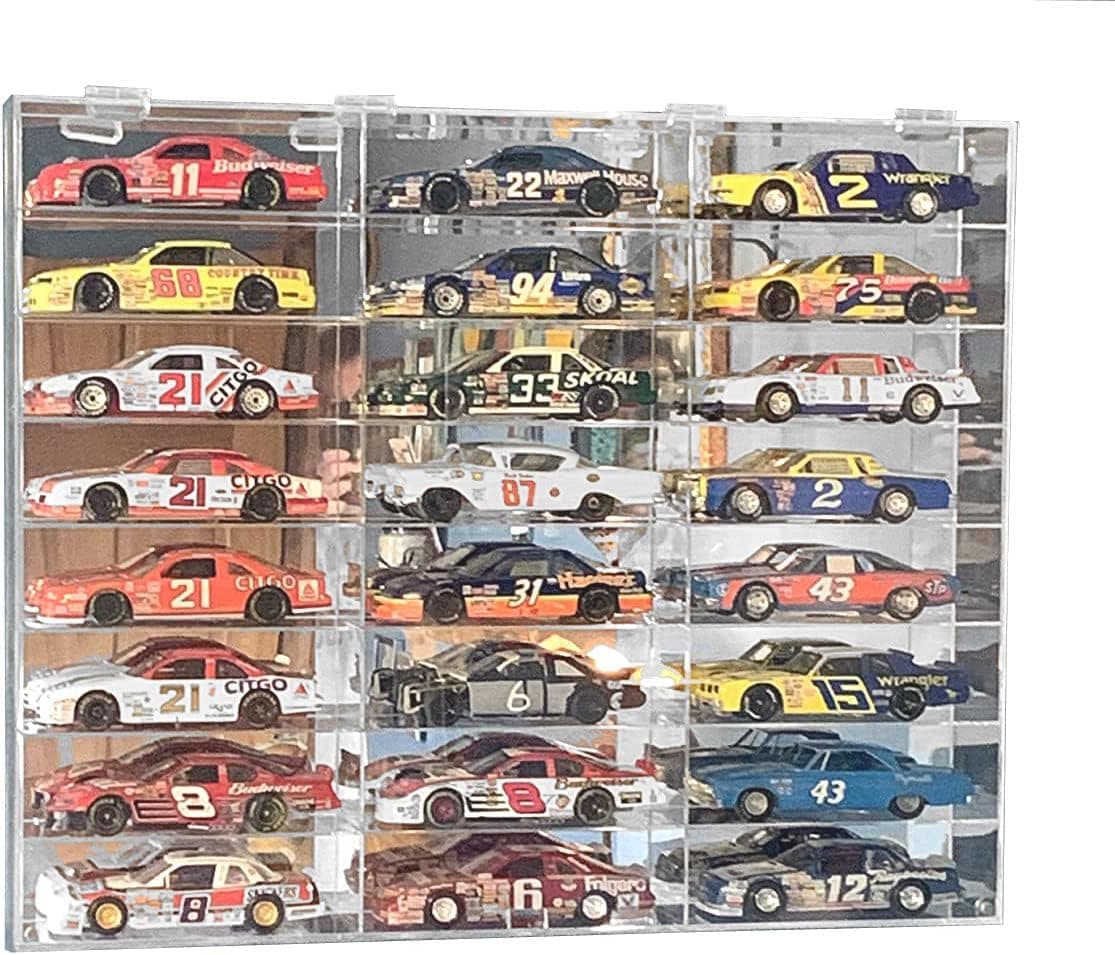
A finished model begins a second life the moment it leaves the bench, and that life is mostly a slow battle against dust, sunlight, gravity, and curious hands. Builders routinely spend a hundred hours on a kit and then park it on an open shelf where a year of dust dulls every surface and a single household accident undoes everything. Display deserves the same intent as construction, and the options run from free habits to furniture-grade solutions.
Products from this article
The highest-scoring picks from the buying guides this article links to. Scores are our editorial assessment, not customer ratings.
+ 24 compartments house a whole 1:24 car collection
From our guide: Best Display Cases for Scale Models
+ Dual exhaust fans pull overspray more strongly
From our guide: Best Model Building Workbench Setup
+ Updated Ver. 2.0 engineering improves joint strength and posing
From our guide: Best Gundam Model Kits: Top Gunpla for Every Grade
+ 14x10x21 inch interior fits Master Grade Gunpla
From our guide: Best Display Cases for Scale Models



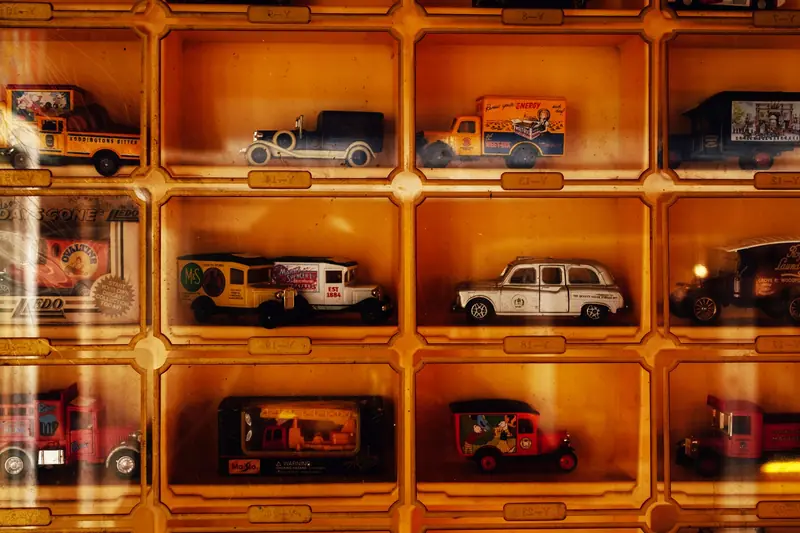
Dust is the primary enemy because it is constant and cumulative. A layer of dust flattens the carefully varied sheens of a paint job, embeds itself in matte surfaces, and is genuinely difficult to remove from delicate assemblies, since wiping snaps antennas and rigging while attracting more dust through static. The only real solution is prevention through enclosure. Removing dust that has settled calls for a soft wide brush and low-pressure air, working gently top down, never cloths or household dusters on detailed surfaces, and never furniture polish, which coats models in silicone that ruins any future repainting.
Enclosed display splits into individual cases and cabinets. Clear acrylic cases sized for single models are inexpensive insurance for favorite builds and standard practice for anything with rigging or fragile detail. Glass-door display cabinets protect entire collections, and the widely available IKEA glass cabinets have become an unofficial hobby standard for their price and near-airtight dust performance. Gasketed or taped seams improve any cabinet further. For the budget-minded, even repurposed kitchen cabinets with glass doors or large clear storage boxes outperform open shelving by an enormous margin.
Light is the slower, sneakier threat. Direct sunlight fades paint and decals within a few seasons and yellows clear parts and white plastics, and the damage is irreversible. Position display furniture away from windows or perpendicular to them, and prefer LED cabinet lighting, which emits negligible ultraviolet and heat, over halogen or fluorescent strips. Models with significant sentimental or contest value can additionally hide behind UV-filtering acrylic. Heat matters too, so shelves above radiators and inside conservatory-style sunrooms are quiet killers of both paint and glue joints.
Arrangement within the display affects both safety and enjoyment. Leave genuine clearance between models, because rescuing one piece from a crowded shelf is how wingtips and mirrors break. Put heavy models on lower shelves, secure cabinets to walls in households with children or in earthquake regions, and consider museum wax or discreet pins for top-heavy subjects. Visually, grouping by scale keeps size relationships honest, and a rotation system, with part of the collection boxed and swapped seasonally, keeps a mature collection fresh while safely storing the overflow every long-time builder accumulates.
For models beyond the display case stage, storage technique matters as much as display technique. Retired models keep best in their original boxes or plastic tubs, nested in acid-free tissue with fragile parts padded, in a dry room with stable temperature, never an attic or damp garage where heat cycles and moisture warp plastic and lift decals. Photograph everything before boxing, both for insurance and for memory. The collection a builder produces over decades is a real body of work, and treating its preservation as part of the hobby, rather than an afterthought, is what keeps the tenth-anniversary look at an old favorite from becoming an inventory of regrets.
Popular right now
- Best Magnifiers for Scale ModelingBuying guide
- Best Modeling Putty: Fill Seams and Gaps Like a ProBuying guide
- Best Airbrush Cleaners for ModelersBuying guide
- Best Hobby Lamps for Model BuildingBuying guide
- Best Brush Sets for Model Painting: Detail Brushes That Keep Their PointBuying guide
- Restoring Old Model KitsArticle
Based on the last 28 days of search and visitor data.