Fixing Common Modeling Mistakes
Published How we research
Every modeler breaks, smears, snaps, and misaligns things. The difference between beginners and veterans is not that veterans make fewer mistakes, but that they have stopped fearing them, because nearly every common disaster has a known repair. Learning the rescues transforms the hobby, since a mistake stops being a ruined kit and becomes a twenty-minute detour.
Products from this article
The highest-scoring picks from the buying guides this article links to. Scores are our editorial assessment, not customer ratings.
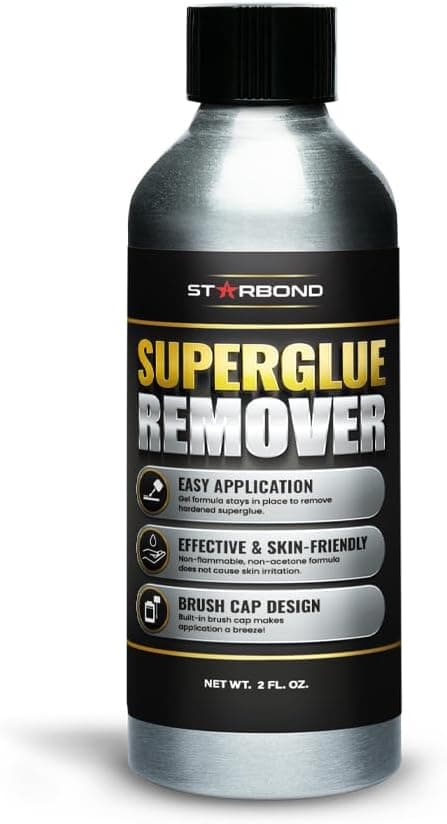
+ Brush cap applies debonder right onto the glued joint
From our guide: Best Glue Debonders for Modelers: Undo CA Mistakes Without Damage
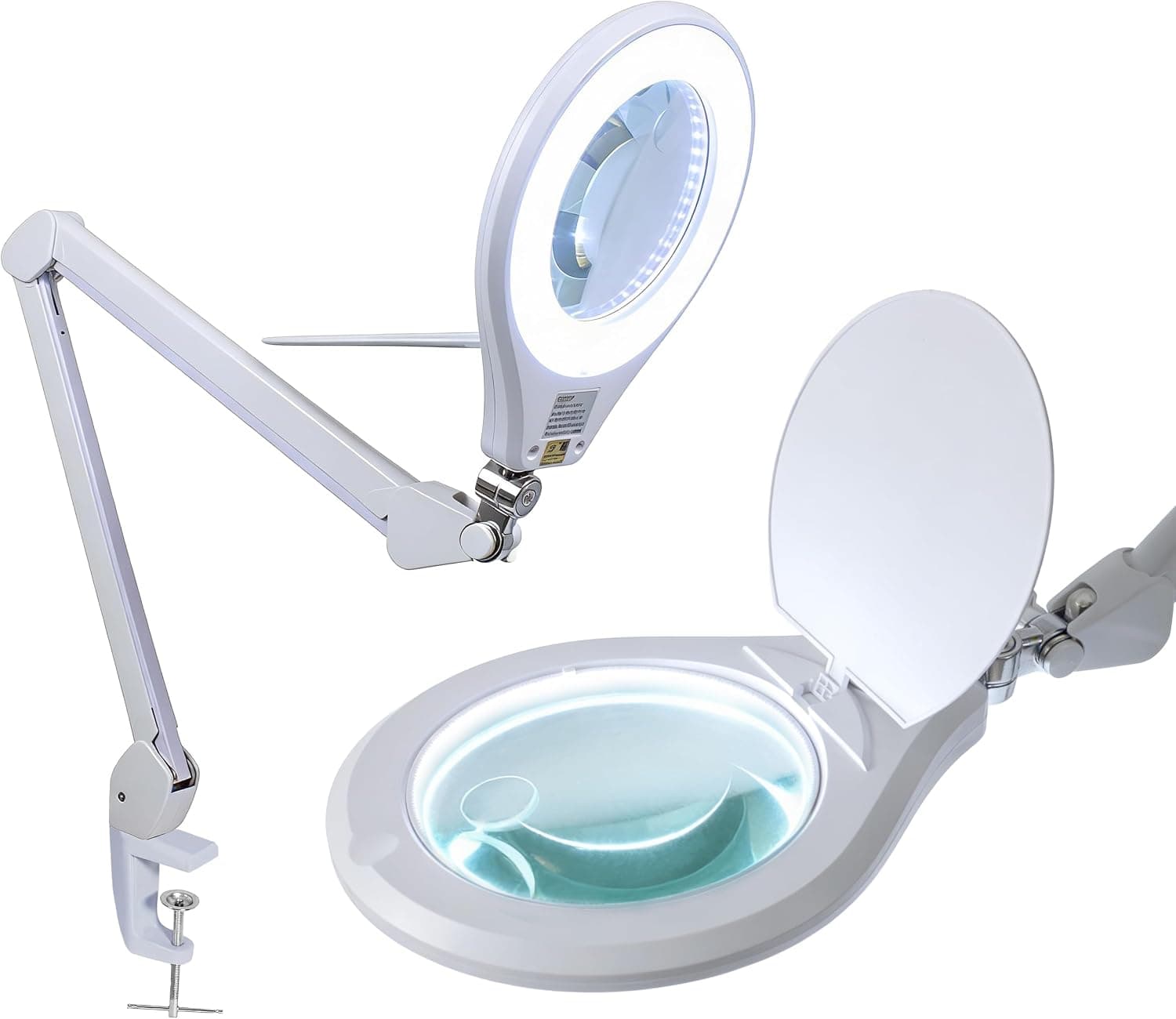
+ Glass lens is clearer and more scratch resistant than acrylic
From our guide: Best Hobby Lamps for Model Building
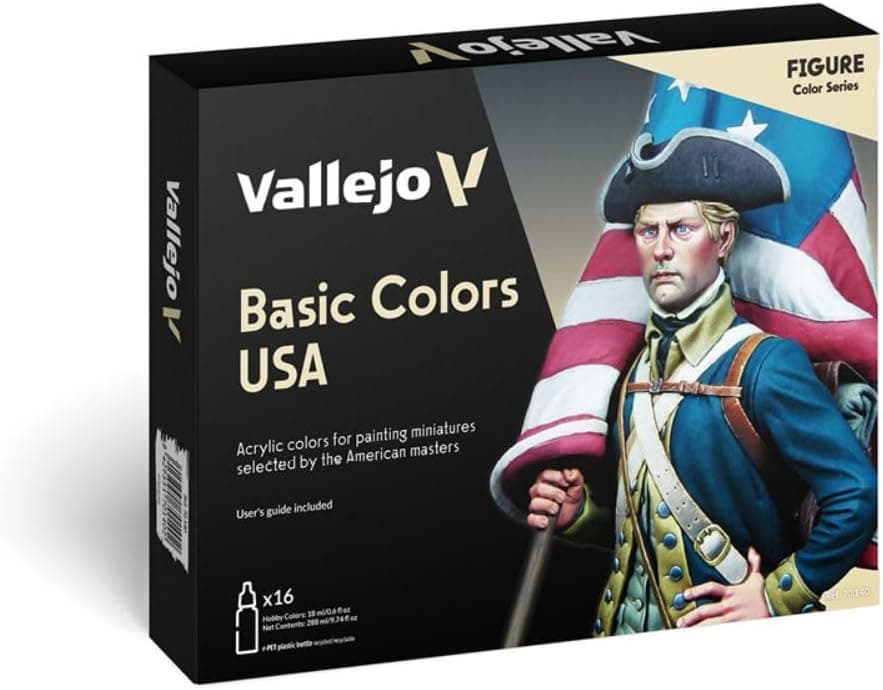
+ 16 Model Color bottles cover a wide brush painting palette
From our guide: Best Model Paint Sets: Acrylic and Enamel Starter Kits Worth Buying
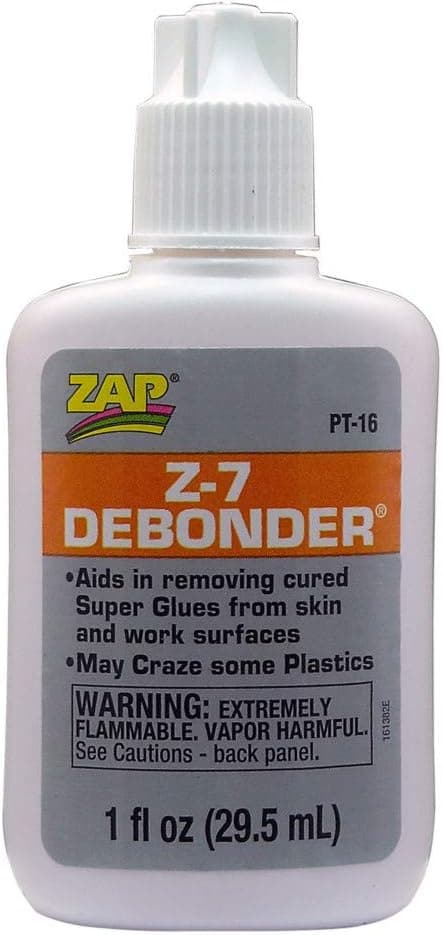
+ 2 Count gives a spare bottle for the workbench
From our guide: Best Glue Debonders for Modelers: Undo CA Mistakes Without Damage
Glue errors top the list. A fingerprint pressed into cement-softened plastic, or a smear of liquid glue across a surface, should be left completely alone until fully cured, at least overnight, because wiping wet solvent only spreads the melt. Once hard, sand the damage out through progressive grits from 400 to 1000, polish, and the surface returns. If the damage sits across engraved detail, rescribe the lines with a scribing tool or the back of a knife blade guided by tape. Superglue fog on clear parts polishes out with plastic polish, and a bath in acrylic floor polish restores the shine.
Broken and lost parts feel catastrophic and rarely are. Snapped thin parts like antennas, gun barrels, and struts often join back invisibly with a drop of thin cement, and where the break is weak, a pin of brass wire drilled into both halves reinforces the joint permanently. Genuinely lost parts can be replaced by scratch-building from plastic card, stretched sprue, and wire, which is how most modelers accidentally learn scratch-building in the first place. Manufacturers also sell individual replacement sprues, and many will send a missing part for the cost of an email to customer service.
Paint problems have a graded response scale. Dust in the paint or slight roughness polishes out with fine sanding and a new light coat. Runs and sags get left to dry fully, sanded level, and repainted. Fingerprints in tacky paint, likewise. The nuclear option, full paint stripping, is less drastic than it sounds: isopropyl alcohol strips most acrylics, and dedicated hobby strippers or oven cleaner remove enamels and lacquers, returning bare plastic ready for a fresh start. Every experienced builder has stripped a model at least once, and knowing the option exists reduces the anxiety of trying ambitious techniques.
Decal silvering, the shiny film halo over matte paint, is repairable even after the fact. Prick the silvered area with a fresh blade tip and flow decal solvent under the film, pressing it down as it softens, then seal with varnish. A decal that folded onto itself during application can often be floated apart with generous water and patience, and a torn one patched with paint touch-ups. The permanent lesson underneath is to apply future decals over gloss varnish, which prevents the problem entirely.
Misalignment is the mistake that hurts most because it usually gets discovered late, when a wing sits crooked or tracks do not reach the ground. Plastic cement joints can be separated within a day or so by careful flexing or a blade worked into the seam, and even old joints yield to patience more often than expected. Test fitting before glue, checking alignment from multiple angles while joints are still soft, and building on a flat surface prevent most cases. When separation would destroy the part, the honest options are shimming, sanding, and creative repositioning, and it is worth remembering that judges and guests examine finished models far less closely than their anxious builders do. Finish the kit, apply the lessons, and let the next build benefit.
Popular right now
- Best Magnifiers for Scale ModelingBuying guide
- Best Modeling Putty: Fill Seams and Gaps Like a ProBuying guide
- Best Airbrush Cleaners for ModelersBuying guide
- Best Hobby Lamps for Model BuildingBuying guide
- Best Brush Sets for Model Painting: Detail Brushes That Keep Their PointBuying guide
- Restoring Old Model KitsArticle
Based on the last 28 days of search and visitor data.