Safety with Cements and Sprays
Published Updated How we research

Scale modeling is a gentle hobby with a short but genuine list of chemical hazards. Solvent cements, superglue, spray paints, and lacquer thinners are all safe when handled with basic precautions and all capable of causing real harm when ignored for years. The good news is that safe practice costs little, becomes automatic within weeks, and never has to slow a build down. The habits are worth learning early, before shortcuts settle in.
Products from this article
The highest-scoring picks from the buying guides this article links to. Scores are our editorial assessment, not customer ratings.
+ Dual exhaust fans pull overspray more strongly
From our guide: Best Spray Booths for Scale Modeling
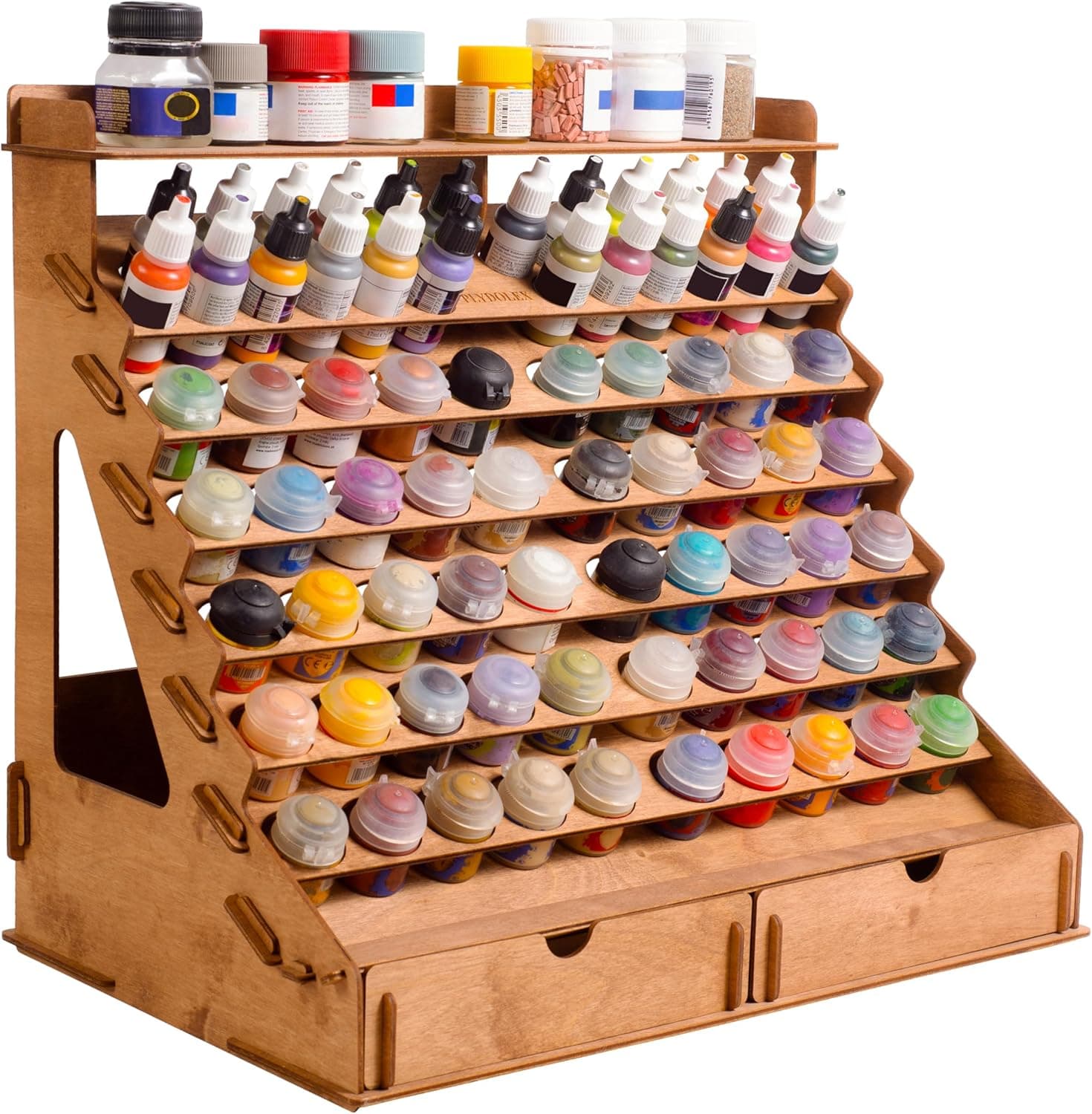
+ 74 holes fit Vallejo, Citadel and Tamiya bottles
From our guide: Best Paint Organizers for Model Builders
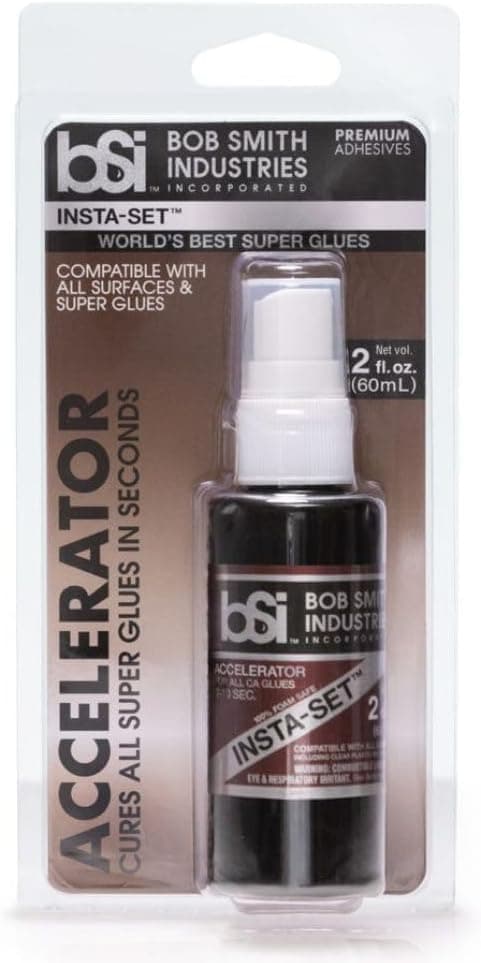
+ Instantly sets CA so parts can be handled right away
From our guide: Best CA Glue Accelerators for Modeling: Instant Cure Without the Wait
+ Listed for both brush and spray application, so one bottle covers detail work and large hillsides
From our guide: Best Spray Adhesive and Scenic Glue for Dioramas


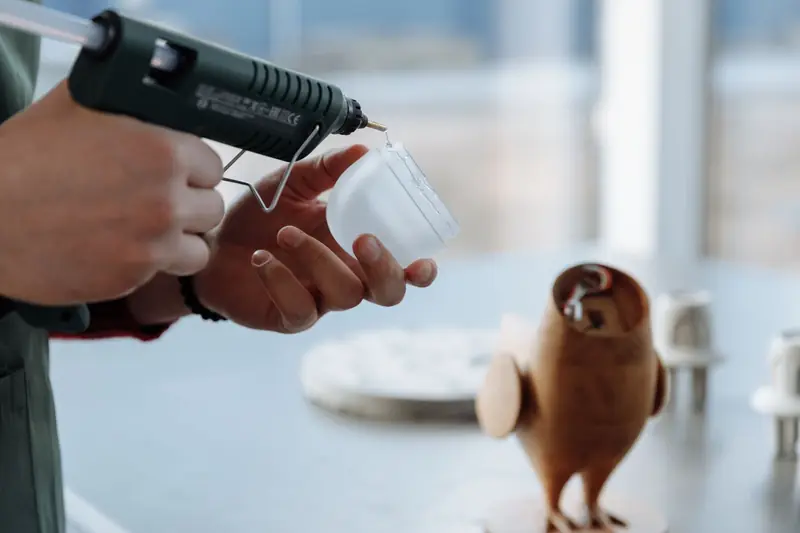
Solvent cements are the everyday exposure. Plastic cement works by dissolving styrene, and the solvents doing that work, evaporate straight into the air at your bench, which sits directly under your face. Occasional use in a ventilated room is a modest concern, but modelers glue for hours, for decades. The fixes are simple: keep bottles capped except while applying, work with a window open and air moving away from you, and prefer needle-point or brush applicators that expose less liquid surface. Headaches or dizziness during a session are a clear signal that ventilation is inadequate, not a normal part of the hobby.
Cyanoacrylate glue carries two distinct risks. The famous one is skin bonding, which is more indignity than injury, and separates with warm soapy water and patience rather than force. The underrated one is its fumes, which irritate eyes and airways and cause some users to develop genuine sensitization over time, after which even brief exposure triggers strong reactions. Use CA in small amounts, keep your face back from the work, ventilate, and never accelerate large amounts at once, since curing CA generates heat and a burst of fume. Anyone noticing increasing irritation with CA use should switch application methods and improve airflow immediately rather than pushing through.
Spraying is where casual habits most need upgrading. Rattle cans and airbrushed paints fill air with solvent vapor and, just as important, with atomized paint particles that settle deep in lungs regardless of whether the paint is water-based. Acrylics sprayed occasionally call for good ventilation at minimum. Lacquers and enamels, along with any regular spraying, call for a spray booth vented outdoors or spraying outside, plus a respirator with organic vapor cartridges rather than a simple dust mask, which stops particles but not vapors. A proper half-mask respirator costs about as much as two kits, and cartridges last months of hobby use when stored sealed.
Storage and housekeeping close the loop. Solvents, thinners, and spray cans belong capped, upright, away from heat sources, and out of reach of children and pets, ideally in a closed box or cabinet dedicated to the purpose. Rags and paper towels soaked in oil-based products can self-heat in a pile, so let them dry flat or store them in a sealed metal container before disposal. Used blades go into a rigid container, never loose into a bag that someone later compresses by hand. None of this takes meaningful effort, and all of it prevents the specific accidents that actually happen in home hobby rooms.
A final word on proportion, because safety discussions can drift into either denial or alarm. The hobby is not dangerous, and nobody should be scared away from an evening of gluing plastic at the kitchen table. But cumulative exposure across a lifetime of building is real, and the modelers most at risk are the most dedicated ones, precisely because they spend the most hours at the bench. Ventilate always, respirate when spraying, cap everything, and the hobby will pay back decades of enjoyment with interest and without a bill.
Popular right now
- Best Magnifiers for Scale ModelingBuying guide
- Best Modeling Putty: Fill Seams and Gaps Like a ProBuying guide
- Best Airbrush Cleaners for ModelersBuying guide
- Best Hobby Lamps for Model BuildingBuying guide
- Best Brush Sets for Model Painting: Detail Brushes That Keep Their PointBuying guide
- Restoring Old Model KitsArticle
Based on the last 28 days of search and visitor data.