Snap-Fit vs Glue Model Kits: Which Should You Build First?
Published How we research
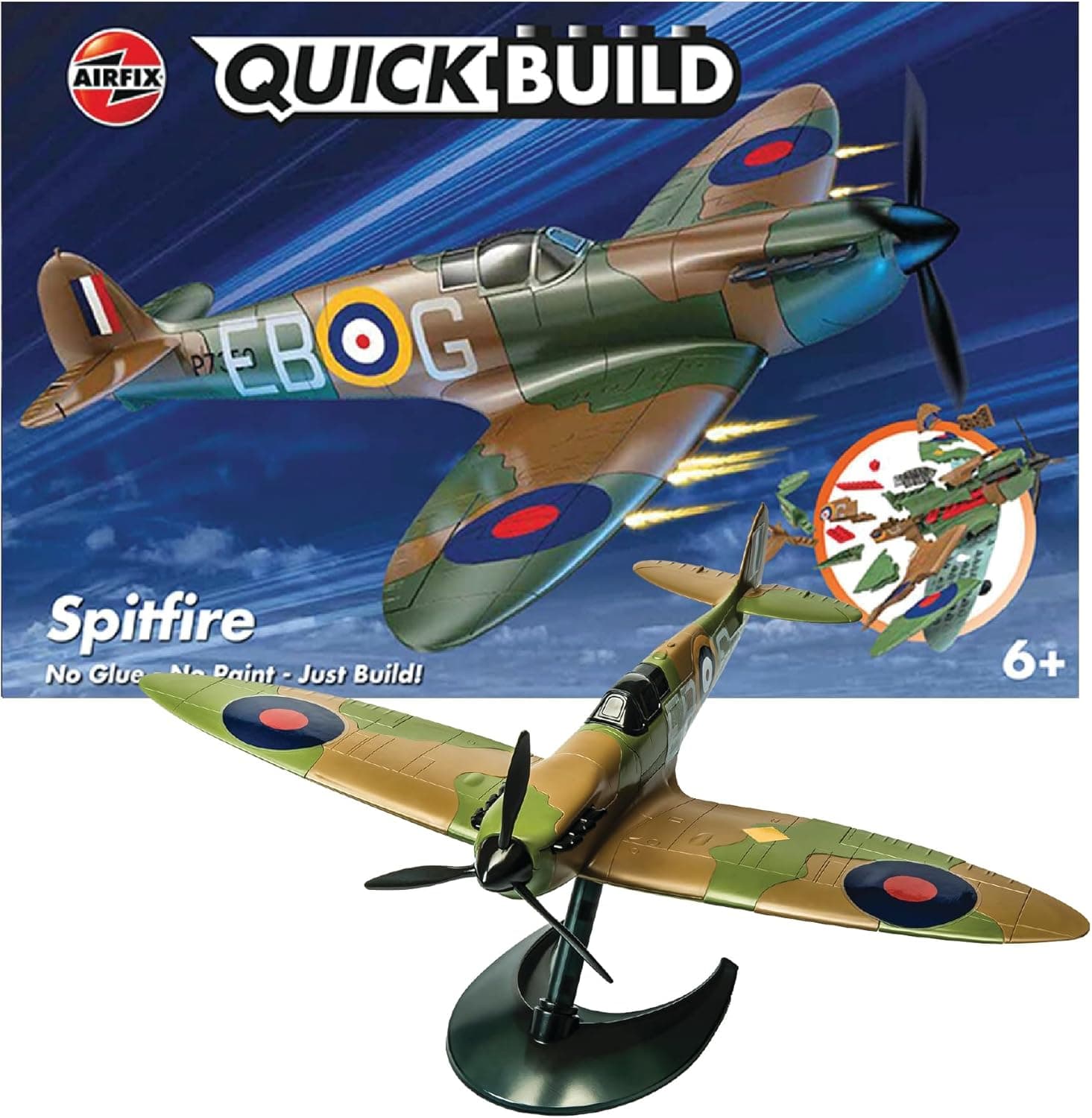
Build a snap-fit kit first if you are new to the hobby, are buying for a child under about 12, or want a finished model in one sitting. Choose a glue kit if you want sharper detail, a wider choice of subjects and the chance to learn seam filling and painting. Both types are molded in the same styrene plastic and often in the same scales. The difference is how the parts join and how much finishing the kit expects from you. This comparison covers build time, tools, detail, cost and the point at which it makes sense to move from one to the other.
How snap-fit and glue kits actually differ
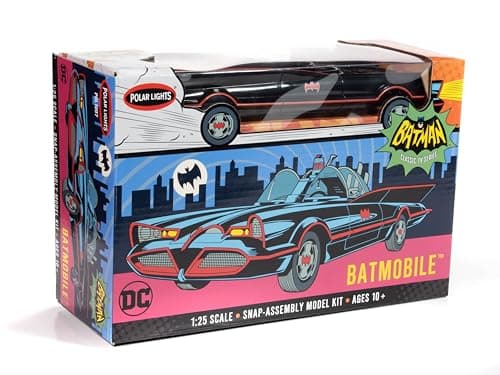
A snap-fit kit joins with pegs, tabs and friction sockets that are molded slightly oversize, so each part locks into the next with hand pressure. Because the maker assumes you will not paint it, the plastic is usually molded in several colors or pre-painted, and the markings often come as stickers. The names change by brand: Revell uses SnapTite and Easy-Click, Airfix calls its push-together range Quickbuild, Polar Lights and AMT print SNAP on the box, and Bandai's Gunpla kits are snap-fit by design.
A glue kit has locating pins too, but they only line the parts up. The joint itself is made with plastic cement, a solvent that softens both styrene surfaces so they weld into one piece as it evaporates. These kits are normally molded in a single color, expect primer and paint, and use water-slide decals. Most makers print a skill level on the box. Snap kits usually sit at level 1 or 2, while glue kits run from simple level 1 starter sets up to level 5 builds with several hundred parts.
Build time, tools and mess
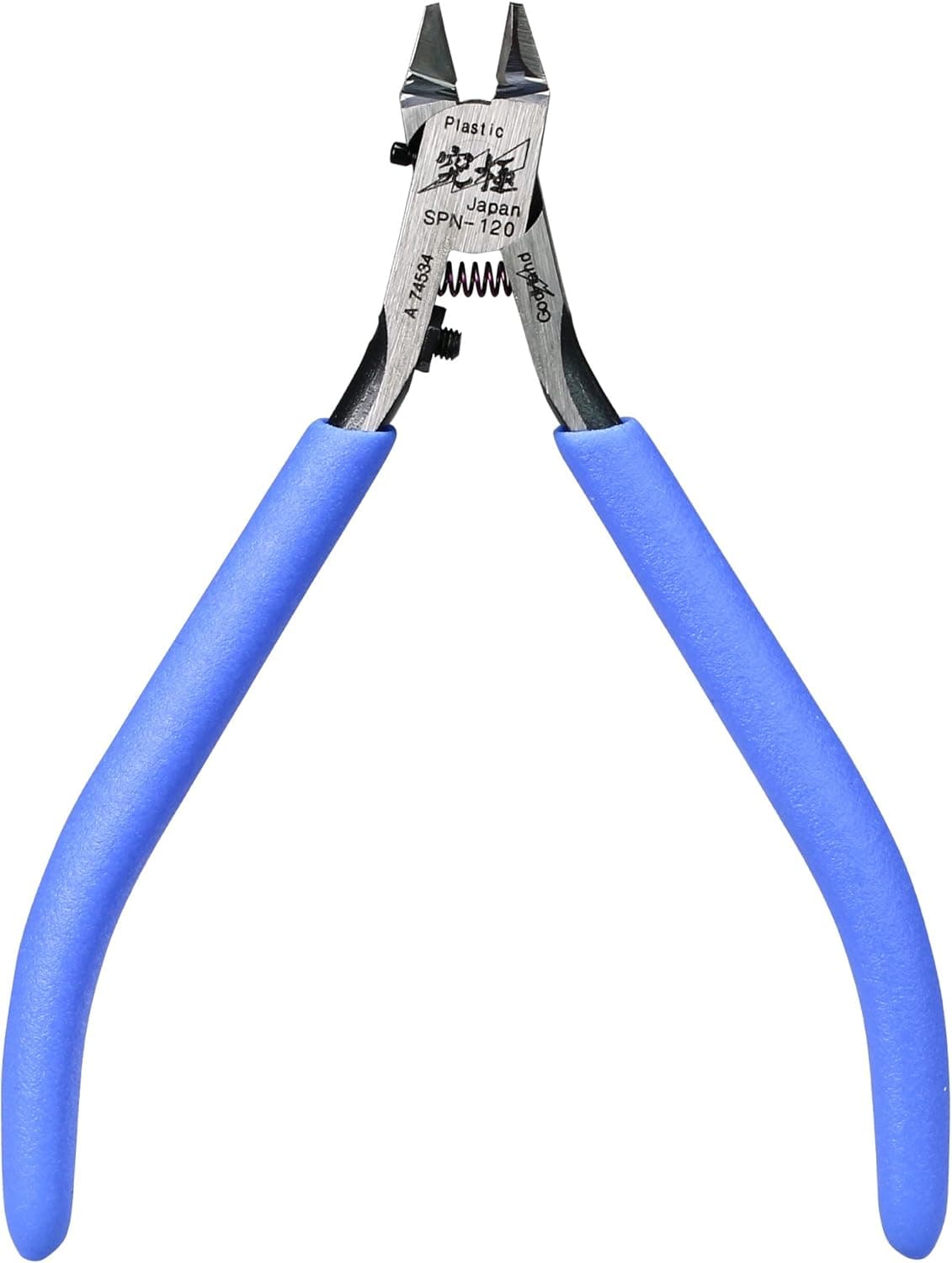
Snap kits are quick. A push-together set with 20 to 40 parts can be finished in under an hour, and a 50 to 100 part snap car or aircraft fills an afternoon. The only tool you really need is a pair of sprue cutters, plus a hobby knife or sanding stick to trim the small nub each gate leaves behind. Twisting parts off the runner by hand is the most common beginner mistake with snap kits, because it tears the plastic and leaves white stress marks that pre-colored plastic cannot hide.
A glue kit adds waiting to every step. Cemented joints need time to set before you handle them, subassemblies such as cockpits and wheel wells are painted before the fuselage closes, and the finished model needs primer, color coats and a clear coat before decals. A simple 1:72 fighter with 40 to 80 parts is typically a project of several evenings, not one sitting. Solvent cements and spray paints also need ventilation and a covered work surface, which matters if the build happens at a kitchen table.
Detail and finish: where glue kits pull ahead
Snap engineering has a cost. Pegs and sockets need thick plastic around them, so snap parts tend to have heavier edges, simplified cockpits and wheel wells, and fewer optional pieces. The join between two halves stays visible as a fine line, because there is no melted plastic to fill it. On a pre-colored kit that line is acceptable from normal viewing distance, but it is the first thing an experienced builder notices.
A cemented seam can be welded shut, filled, sanded and painted until it disappears. Glue kits also offer finer panel lines, thinner wing edges, full engines and interiors, and a far wider range of subjects and scales. The gap is narrower than it used to be, though. Modern snap kits are molded in multiple colors with sharp surface detail, and several listings state that glue and paint are optional or that the model can be painted and weathered. Treating a snap kit as a glue kit is a common way to practice finishing skills on an inexpensive subject.
Cost and what else you need to buy
With a snap kit the box is nearly the whole cost: add sprue cutters and you can finish the model. A first glue kit needs more. Budget for plastic cement, a primer, a handful of paints, thinner, two or three brushes, and a hobby knife and sanding sticks for seam cleanup. For a first build those supplies can cost as much as the kit itself, although they carry over to every later model.
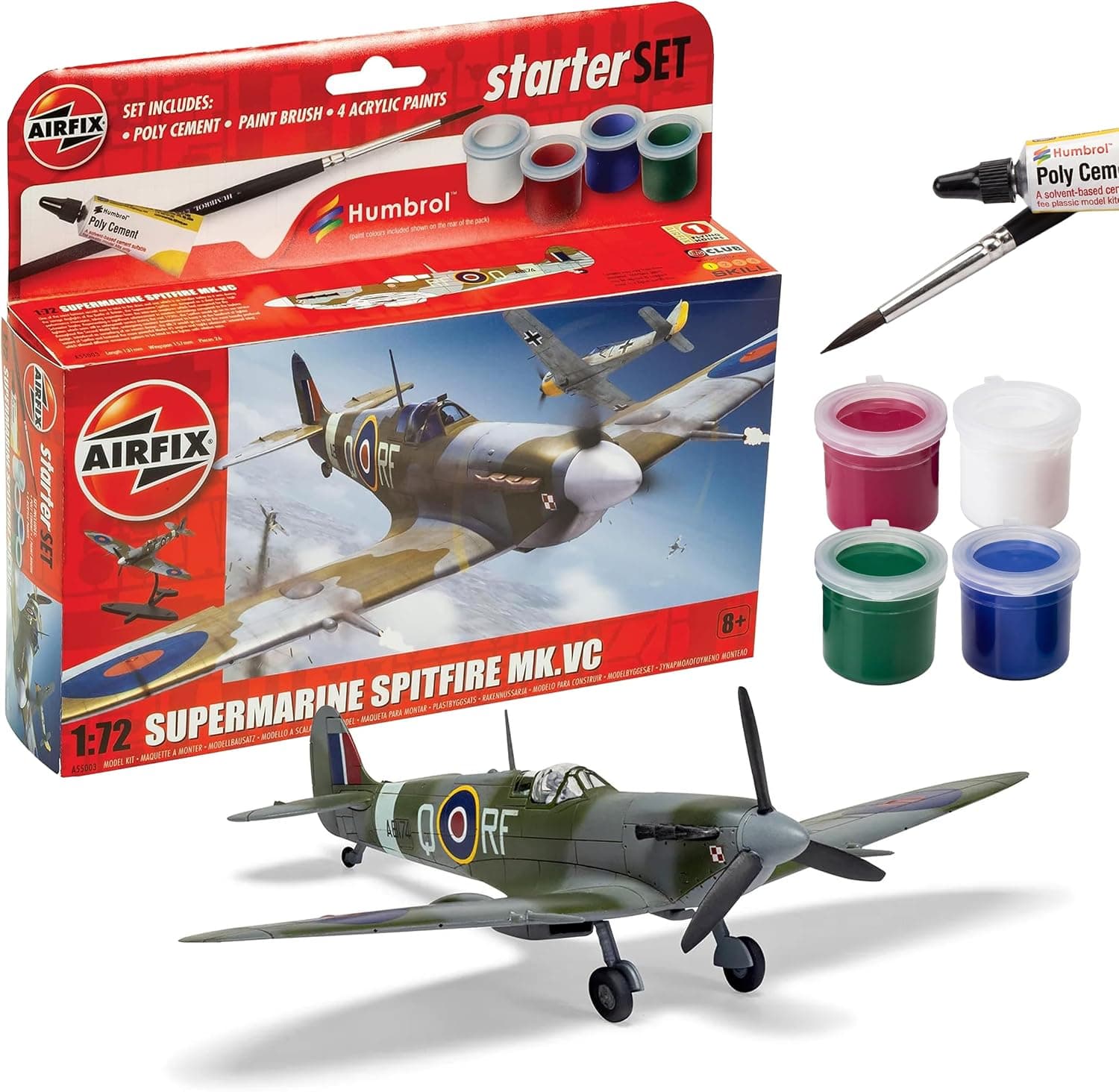
Starter sets close part of that gap. They pack a simple level 1 glue kit with small pots of the paints it needs, a brush and a tube of cement, so a beginner can try gluing and painting without choosing supplies. They are a sensible middle step for a teenager or adult who already knows a snap kit would feel too simple.
Which one to pick, builder by builder
For children under about 10, choose a push-together set with a low parts count and stickers. From roughly 10 to 14, a snap scale kit with 50 to 100 parts teaches cutting, cleanup and following instructions without the risk of glue on fingers or clear parts. An adult beginner can go either way: a snap kit is a low-pressure first weekend, while a level 1 starter set gets you to real cement and paint straight away. Returning modelers who built kits years ago can usually skip snap kits and start with a well-fitting modern glue kit.
Gunpla is the exception to the usual ladder. Bandai's mobile suit kits snap together at every grade, from simple High Grade kits to complex Master Grade and Perfect Grade builds, so the step up there is in parts count and inner-frame detail, not in glue. The sign that you are ready to move from snap to glue is simple: you start wanting to fill the seam lines and repaint the plastic on the snap kits you finish.
Frequently asked questions
Can you glue a snap-fit kit? Yes. Most snap kits are polystyrene, the same plastic as glue kits, so regular plastic cement welds them and lets you fill and sand the seams. Check the plastic type first: some snap kits use ABS for strong joints, and ABS needs a cement rated for it or a drop of super glue.
Do snap-fit kits need paint? No. They are molded in color or pre-painted so the finished model looks complete without it. Paint is optional, and a little detail painting on wheels, cockpits or exhausts is an easy way to make a snap kit look more realistic.
Are snap-fit kits only for kids? No. Simple push-together sets are aimed at children, but snap scale kits with 50 to 100 parts, opening panels and water-slide decals are designed for teens and adults, and Gunpla kits for experienced builders are snap-fit as well.
What tools do I need for a snap kit? Sprue cutters to remove parts cleanly, a hobby knife or sanding stick to trim the gate nubs, and tweezers to place stickers or decals. No cement, paint or clamps are required.
Products from this article
The highest-scoring picks from the buying guides mentioned above. Scores are our editorial assessment, not customer ratings.
+ Pre-painted black body, chrome parts and pad-printed wheel spinners mean the finish is done for you
From our guide: Best Snap-Fit Model Kits: No-Glue Builds for Every Skill Level
+ Starter set bundles paints, brushes and glue, so no separate shopping
From our guide: Best Beginner Model Kits: Easy First Builds That Look Great
+ Ultra-thin single blade cuts so cleanly that sanding is often skipped
From our guide: Best Sprue Cutters for Model Kits: Clean Cuts Every Time
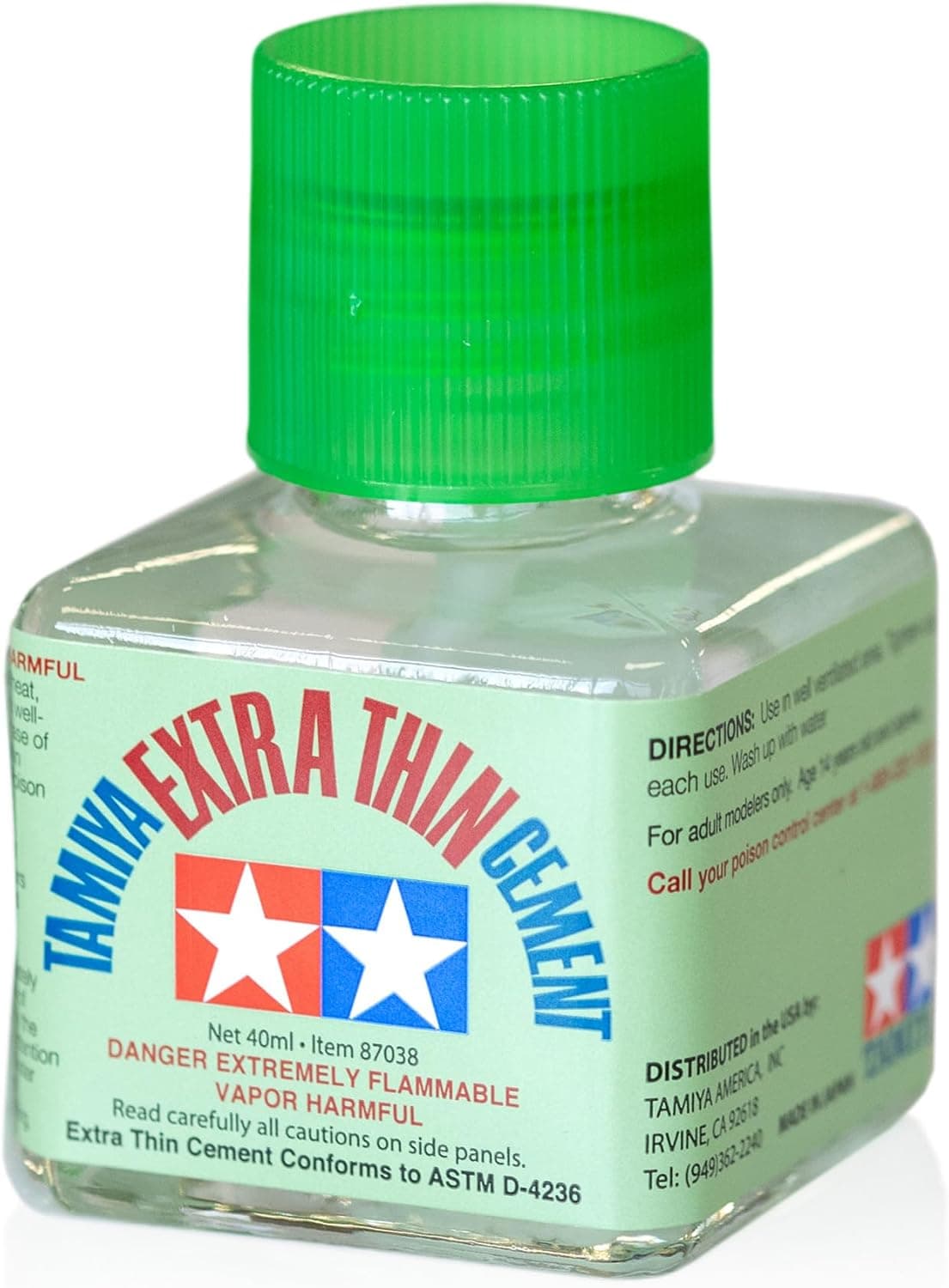
+ Extra thin formula flows into seams for nearly invisible bonds
From our guide: Best Plastic Cement for Model Kits: Solvent Glues That Weld Styrene
Popular right now
- Best Magnifiers for Scale ModelingBuying guide
- Gluing Model Kits Without MessArticle
- Applying Decals ProperlyArticle
- Best Airbrush Cleaners for ModelersBuying guide
- Best Brush Sets for Model Painting: Detail Brushes That Keep Their PointBuying guide
- Best Model Ship Kits: Top Picks for Scale ModelersBuying guide
Based on the last 28 days of search and visitor data.