Understanding Model Scales
Published How we research
Model scale is an inverse ratio: 1/72 means the model is one seventy-second the real size, so a larger number under the 1 means a smaller model (1/32 is big, 1/144 is small). Different subjects have settled on standards: aircraft at 1/72, 1/48, and 1/32; armour at 1/35; cars at 1/24 or 1/25; ships from 1/350 to 1/700. Larger scales cost more and take four times the shelf space but give bigger, easier parts and finer detail. Pick one scale per subject type so a collection displays together. Scale is the first number on every model box and the most misunderstood one. A scale of 1/72 means the model is one seventy-second the size of the real thing, so a 9-meter fighter plane becomes a 12.5-centimeter model. The larger the number under the 1, the smaller the model. That inverse relationship trips up nearly every newcomer, so it bears repeating: 1/32 is big, 1/72 is small, and 1/144 is smaller still.
Products from this article
The highest-scoring picks from the buying guides this article links to. Scores are our editorial assessment, not customer ratings.
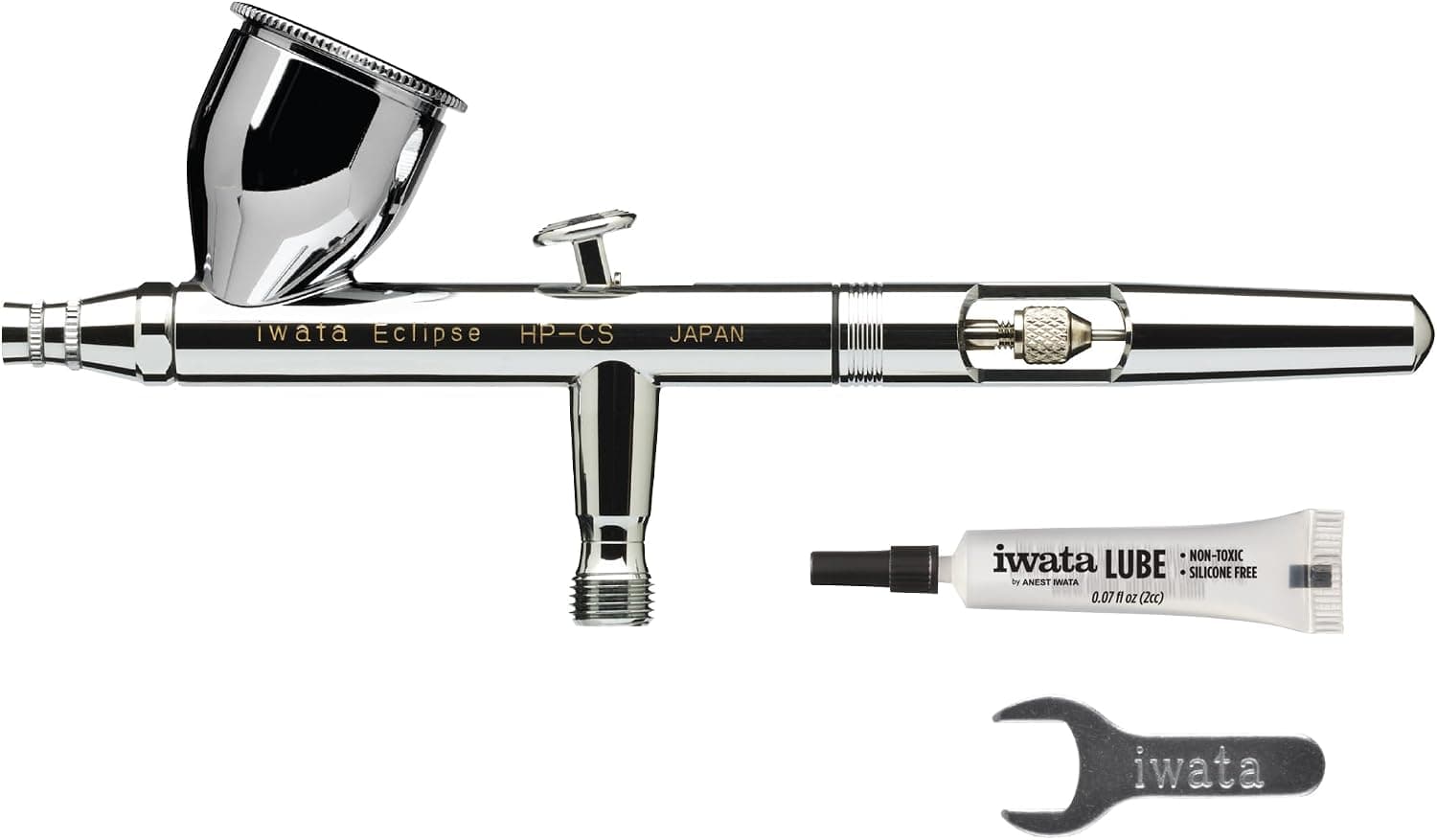
+ Dual action trigger gives control over air and paint flow
From our guide: Best Airbrushes for Scale Models
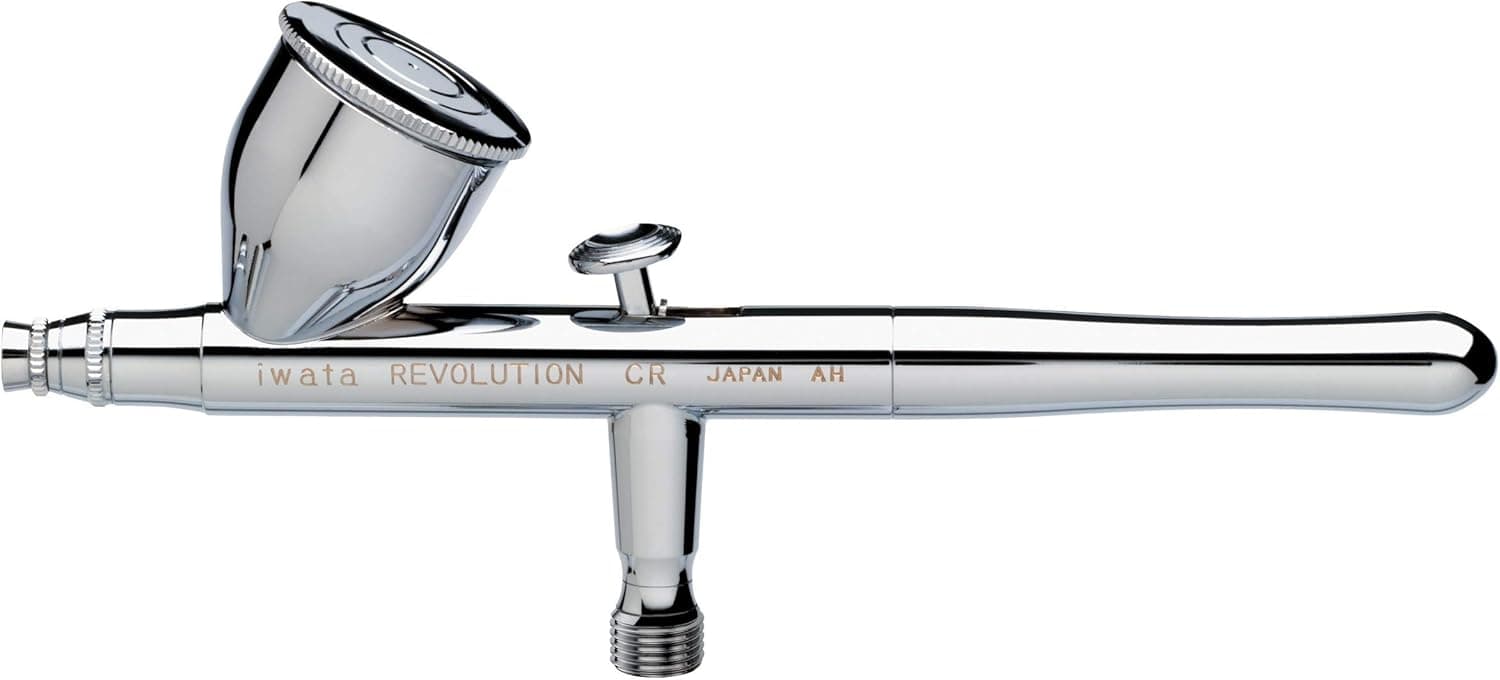
+ Iwata quality at a more approachable price than Eclipse
From our guide: Best Airbrushes for Scale Models
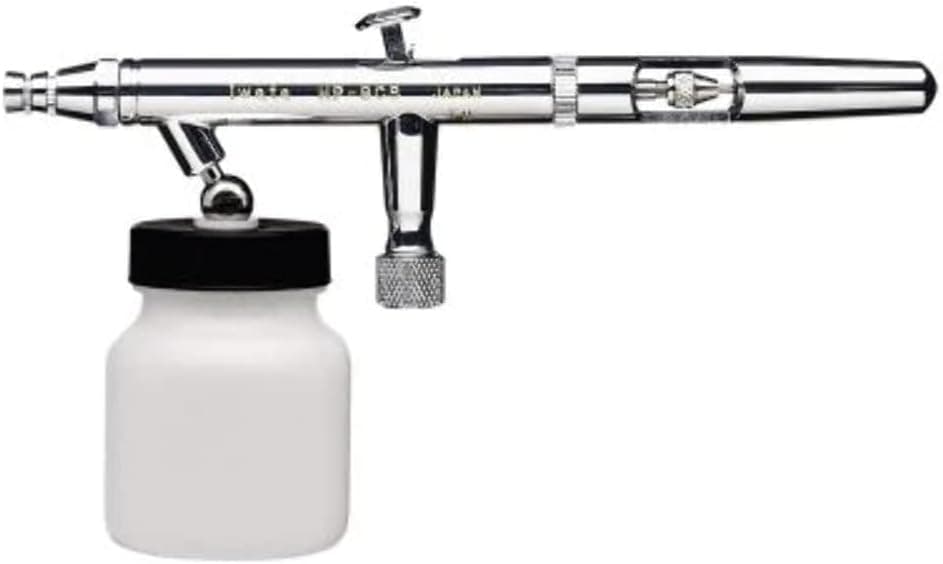
+ 2 oz bottle holds plenty of paint for big surfaces
From our guide: Best Airbrushes for Scale Models
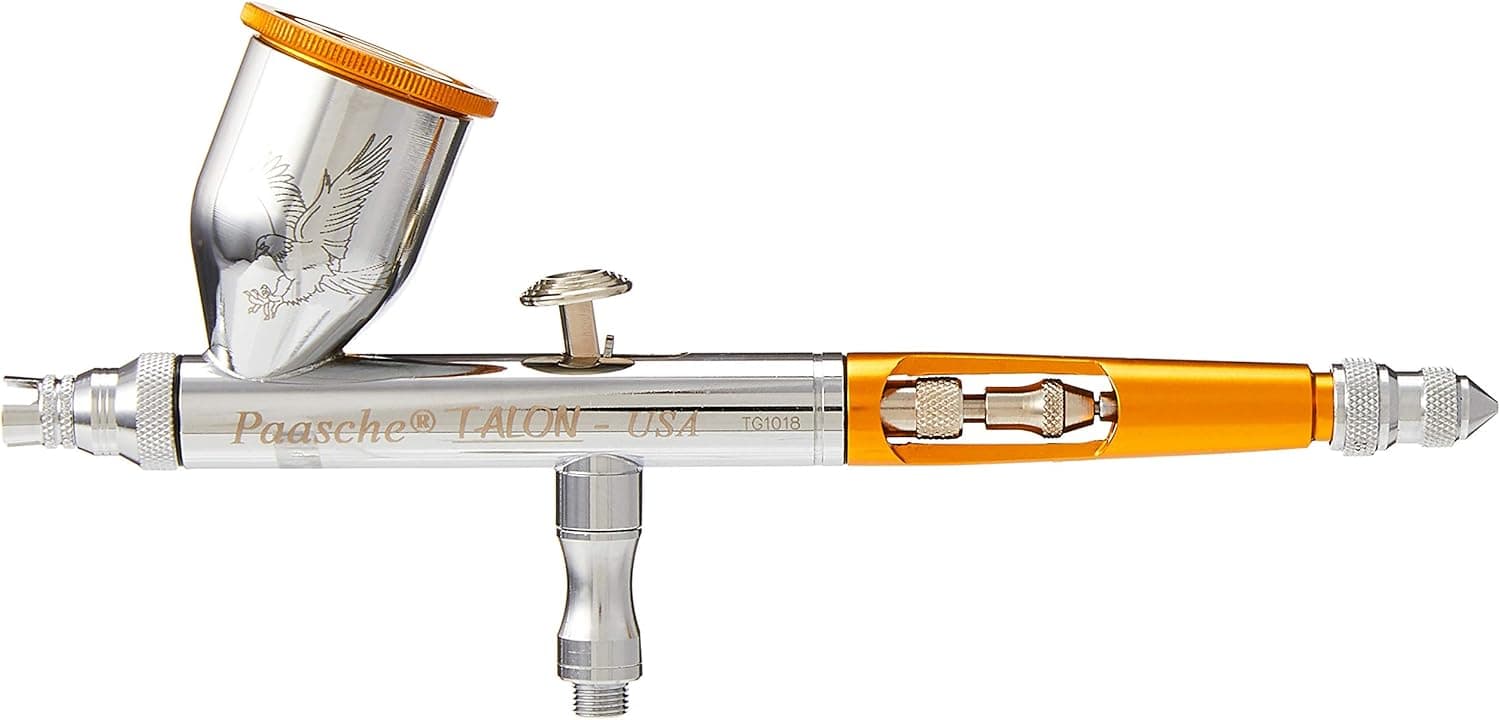
+ Gravity feed gives fine control at low pressure
From our guide: Best Airbrushes for Scale Models
Standard scales by subject type
Different subject types have settled on different standard scales over the decades, mostly by historical accident and manufacturer convention. Aircraft commonly come in 1/72, 1/48, and 1/32. Military vehicles cluster around 1/35, with 1/48 and 1/72 as smaller alternatives. Cars are usually 1/24 or 1/25, ships range from 1/350 to 1/700, and Gundam kits use 1/144 and 1/100. Knowing these conventions helps you predict what will be available for any subject you want to build.
The 1/72 vs 1/48 aircraft trade-off
The choice between 1/72 and 1/48 aircraft illustrates the core trade-off. A 1/72 kit is cheaper, takes less shelf space, and lets you build a large collection quickly, but its parts are small and its surface detail is necessarily simplified. A 1/48 kit of the same aircraft costs more and occupies four times the display volume, yet it offers larger parts that are easier to handle, more refined cockpit detail, and more room for painting and weathering techniques to shine. Neither is better in the abstract. They serve different goals.
Armour and the dominance of 1/35
Armor modelers face a similar decision at 1/35, which has been the dominant tank scale since the 1960s. At this size a typical tank is 15 to 20 centimeters long, big enough for detailed running gear, tools, and crew figures. The aftermarket overwhelmingly supports 1/35, meaning upgrade parts, figures, and diorama accessories are easy to find. Smaller 1/72 armor exists and suits wargamers and space-constrained builders, but the hobby infrastructure clearly favors the larger scale.
Consistency within a collection
Consistency within a collection is worth thinking about early. Models in the same scale can be displayed together and compared meaningfully, and a shelf of mixed scales can look chaotic because size relationships between subjects are broken. A 1/72 bomber sitting next to a 1/48 fighter appears smaller than the fighter despite the real aircraft being far larger. Many builders eventually standardize on one scale per subject type for exactly this reason.
Choosing for your eyesight, workspace, and shelves
Practical advice for choosing: consider your eyesight, your workspace, and your display space honestly. Builders who struggle with small parts should favor 1/48 aircraft and 1/35 armor. Those with limited shelving should look at 1/72 and enjoy the lower cost per kit. If possible, build one kit in each candidate scale before committing to a collection. An afternoon of handling real parts teaches more than any comparison chart, and your hands will tell you quickly which scale feels right. Remember too that box dimensions rarely convey real size, so check the stated finished length in the kit description before ordering online. A 1/350 battleship still ends up close to a meter long, and more than one builder has discovered that fact only when the box arrived.
Frequently asked questions
Is 1/72 bigger or smaller than 1/48? Smaller. The larger the number under the 1, the smaller the model, so 1/72 is smaller than 1/48, which is smaller than 1/32.
What scale should I build in? Consider your eyesight, workspace, and display space honestly. Builders who struggle with small parts should favour 1/48 aircraft and 1/35 armour; those short on shelving should look at 1/72 for lower cost per kit.
Why is 1/35 the standard for tanks? It has dominated since the 1960s, a 1/35 tank is 15 to 20cm long with room for detailed running gear and crew figures, and the aftermarket overwhelmingly supports it with upgrade parts and diorama accessories.
Can I mix scales on one shelf? You can, but size relationships break, so a 1/72 bomber can look smaller than a 1/48 fighter despite the real aircraft being far larger. Most builders standardise on one scale per subject type.
Popular right now
- Best Magnifiers for Scale ModelingBuying guide
- Best Modeling Putty: Fill Seams and Gaps Like a ProBuying guide
- Best Airbrush Cleaners for ModelersBuying guide
- Best Hobby Lamps for Model BuildingBuying guide
- Best Brush Sets for Model Painting: Detail Brushes That Keep Their PointBuying guide
- Restoring Old Model KitsArticle
Based on the last 28 days of search and visitor data.