Acrylic vs Enamel Model Paint: Differences, Pros and Cons for Builders
Published How we research

Acrylic paint is water-based, dries quickly and cleans up with mild products, while enamel paint is solvent-based, dries slowly and is known for a smooth, tough finish. Neither is better for every job. Beginners often start with acrylics for the easier cleanup and lower odor, while many experienced builders keep enamels for particular tasks such as panel washes or rugged finishes. This guide compares them on the points that matter at the workbench.
Products from this article
The highest-scoring picks from the buying guides this article links to. Scores are our editorial assessment, not customer ratings.
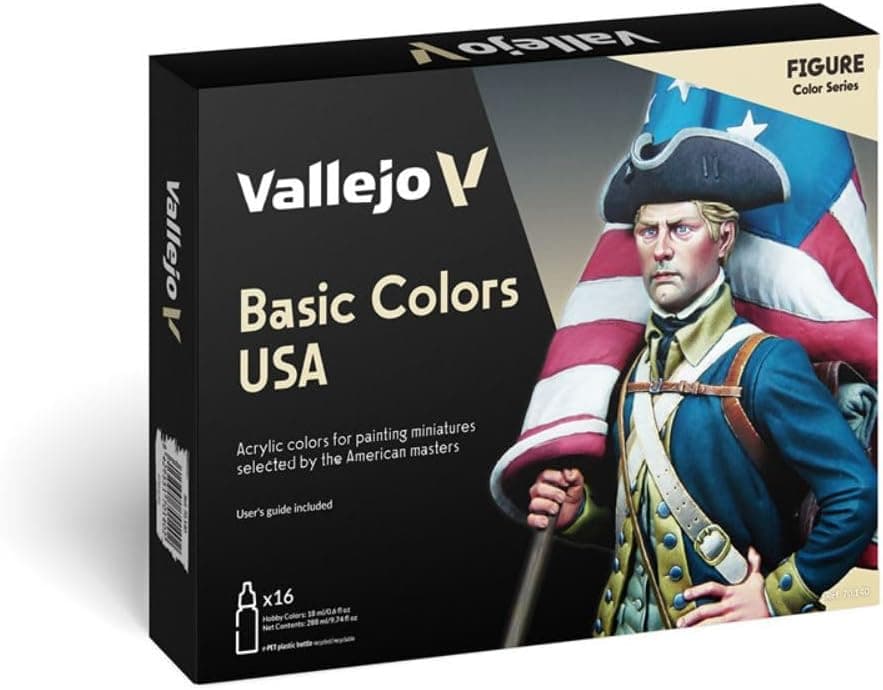
+ 16 Model Color bottles cover a wide brush painting palette
From our guide: Best Model Paint Sets: Acrylic and Enamel Starter Kits Worth Buying
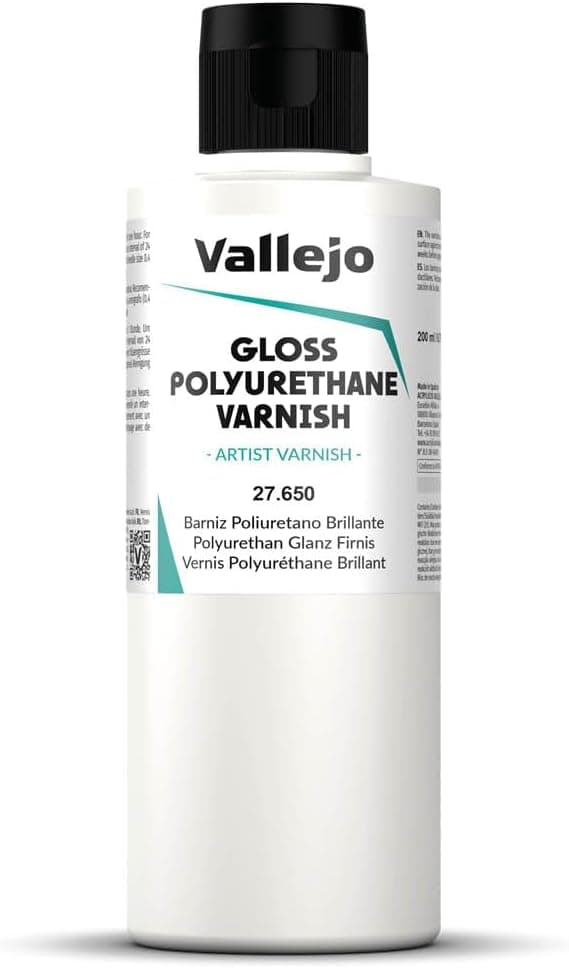
+ Polyurethane formula resists handling wear well
From our guide: Best Clear Coats for Models: Gloss, Satin, and Matte Finishes Compared
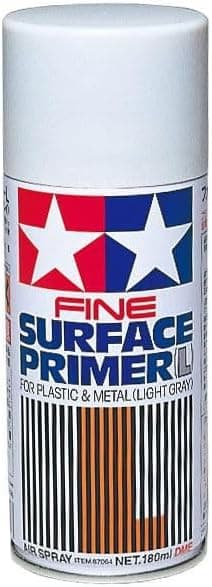
+ Very fine spray preserves delicate surface detail
From our guide: Best Model Primers: Surface Prep That Makes Every Paint Job Better
+ 3-Colors set covers light, dark and earthy model schemes
From our guide: Best Panel Line Washes: Accent Colors That Bring Detail to Life

What separates the two paint types
The difference starts with the carrier. Acrylic hobby paints use water as the main carrier, along with additives that control flow and drying. Enamel hobby paints use a solvent carrier and cure to a hard film as the solvent evaporates and the resin hardens. That one difference drives almost everything else: drying time, cleanup, smell, how the paint levels on the surface and how it behaves under other coats.
Both come in matte, satin and gloss finishes and in huge color ranges, including military and automotive shades. Both can be used with a brush or an airbrush. Because every brand formulates differently, treat this comparison as a general overview and check the label for the specific line you buy.
Drying time and working behavior
Acrylics dry fast, often to the touch within minutes, which is handy for layering and for quick sessions. The flip side is that the paint can start to skin over on the brush or tip dry in the airbrush, so some builders add a retarder or a flow improver. Enamels dry more slowly, which gives extra time to blend and level, but they can take a long time to cure fully before they can be handled or masked.
That longer cure matters. Handling or masking a surface that feels dry but has not hardened can lift or mark the paint. Most enamel users wait a good while, often a day or more, before masking or applying a clear coat. If your hobby time is short, acrylic's quicker turnaround can be a real practical advantage.
Cleanup, smell and ventilation
Acrylics usually clean up with water or a mild cleaner made for them, and they tend to have a weaker odor than enamels. Enamels need a solvent such as enamel thinner or mineral spirits-type products to clean brushes, and the fumes are stronger. Neither paint type should be sprayed in a closed room without ventilation.
If you airbrush, a spray booth and a respirator suited to the paint are worth having for both types, with extra care for solvent-based paints. If you share your living space or have children or pets nearby, the lower odor of acrylics is often the deciding factor. Always follow the safety information printed on each product.
Finish and durability
Enamels are known for a smooth, glossy-capable finish with good self-leveling, which suits things like car bodies and large flat areas where brush marks would show. They tend to form a tough film once fully cured. Acrylics have improved a lot and can give excellent results, especially airbrushed in thin coats, though some brands are more prone to rubbing off before they are sealed.
Whichever paint you choose, protecting it with a clear coat makes it more durable. Make sure the clear coat is compatible with the paint beneath, because some solvents can attack acrylics or soften enamels that have not cured. Testing on a scrap piece is a simple way to avoid a ruined model.
Mixing types and using both on one model
Many builders use both. A common pattern is to apply acrylic base colors, seal with a clear coat, and then use an enamel wash for panel lines, since the enamel solvent flows into grooves nicely and can be wiped off the sealed surface. That works because the clear coat protects the acrylic from the solvent.
Do not paint enamel directly over unsealed acrylic or acrylic over fresh enamel without testing first. Solvents can attack the layer underneath, and a wet enamel layer can crack or wrinkle an uncured coat. Primer and clear coats act as barriers, and spending a little time on scrap plastic saves a lot of frustration later.
Which one should you start with?
For most first-timers, acrylic is a friendly starting point: low odor, simple cleanup and a wide range of colors. If you later want a particular effect, such as a very smooth gloss or a solvent-based wash, you can add enamels without abandoning what you already own.
Pick one paint family for your first few builds so you are not troubleshooting compatibility on top of learning technique. Try a small starter set, paint a test piece and see how it brushes and sprays in your own workspace. Our paint set guide compares a few starting options for different budgets and styles.
Frequently asked questions
Which paint is easier for beginners? Acrylic usually is, thanks to simple cleanup and a milder smell. Many beginners find it forgiving.
Can I put acrylic over enamel? Only after the enamel has fully cured, and ideally after a test on scrap. A clear or primer layer in between can help.
Do enamels yellow or fade? Some paints can change color over time, depending on formula and storage. Keep models out of direct sunlight and check the maker's information.
Is one more toxic than the other? Both need sensible ventilation. Solvent-based enamels generally have stronger fumes, so protect yourself accordingly and read the product's safety information.
Storage and shelf life also play a part. Both paint types last longer when the lids are closed tightly and the bottles are kept away from heat and direct sunlight. Stir or shake before each use, since pigments settle, and wipe the rim clean before closing the jar so the lid does not seal itself shut. Labelling bottles with the date you opened them helps you spot paint that has thickened with age.
Popular right now
- Best Magnifiers for Scale ModelingBuying guide
- Best Modeling Putty: Fill Seams and Gaps Like a ProBuying guide
- Best Airbrush Cleaners for ModelersBuying guide
- Best Hobby Lamps for Model BuildingBuying guide
- Best Brush Sets for Model Painting: Detail Brushes That Keep Their PointBuying guide
- Restoring Old Model KitsArticle
Based on the last 28 days of search and visitor data.