How to Airbrush Models Successfully in Winter
Published How we research
Many modellers airbrush in garages, sheds or basements that get cold in autumn and winter. Low temperatures slow paint drying, change how paint flows and increase condensation in air lines. The result can be spitting, grainy finishes and runs. With a few adjustments, you can airbrush smoothly through the cold season.
Warm the workspace and paint
Acrylic and lacquer paints behave best at room temperature. Cold paint becomes thicker and dries slowly, which can lead to runs and uneven coverage.
Warm the room before painting and keep paints, thinners and models indoors until use. A small heater with safety features can help, but keep it away from solvents, aerosol sprays and flammable materials.
Manage moisture in air lines
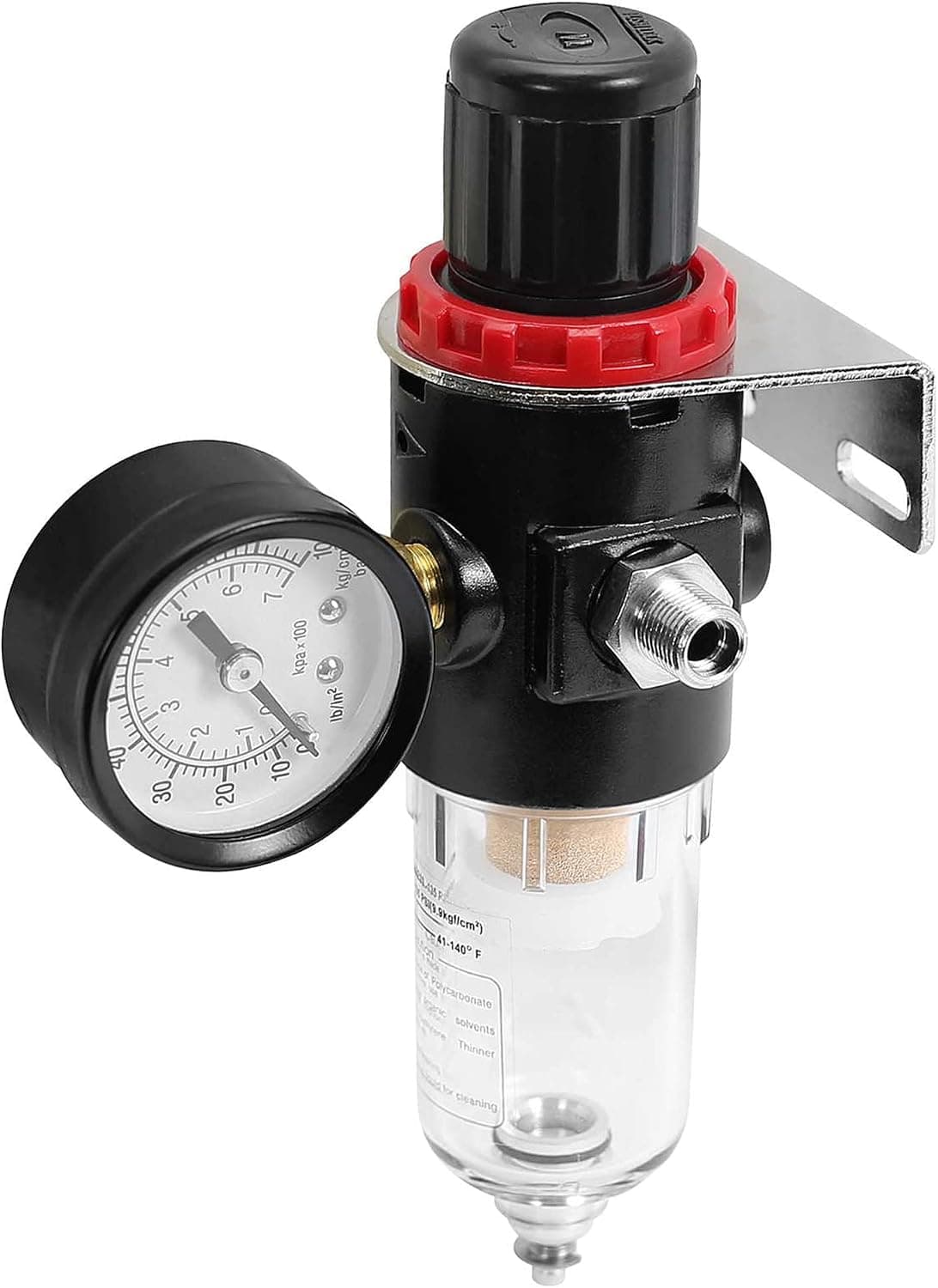
Compressors pull in humid air, and cold temperatures cause moisture to condense in hoses. Water droplets can spit from the airbrush and ruin paint finishes.
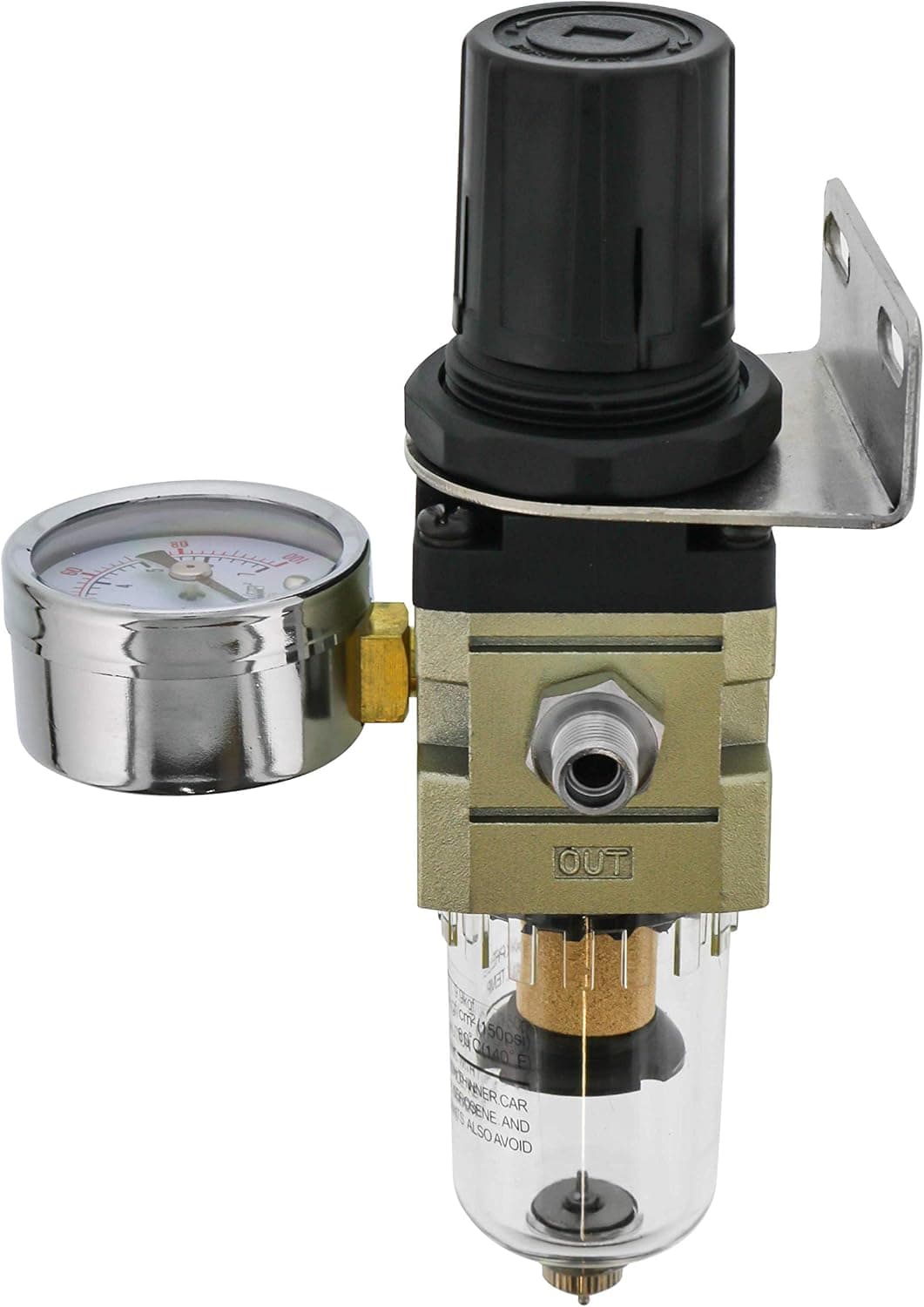
Use a moisture trap and drain the compressor tank regularly. Place the compressor in the warmest area available and consider a longer hose with a moisture trap near the airbrush.
Adjust thinning and pressure
Paint may need slightly different thinning in cold weather. Use manufacturer-recommended thinners and test spray on cardboard before painting the model.
Lower air pressure can reduce overspray and dry spray, but too low pressure can cause spitting. Adjust gradually and note settings that work.
Allow longer drying times
Cold and damp conditions slow drying and curing. Handle models later than usual and avoid masking too soon.
A warm, dust-free drying box, such as a cabinet with a low-heat lamp or food dehydrator used only for hobby parts, speeds drying. Follow safety guidance and avoid excessive heat on plastic.
Ventilate safely
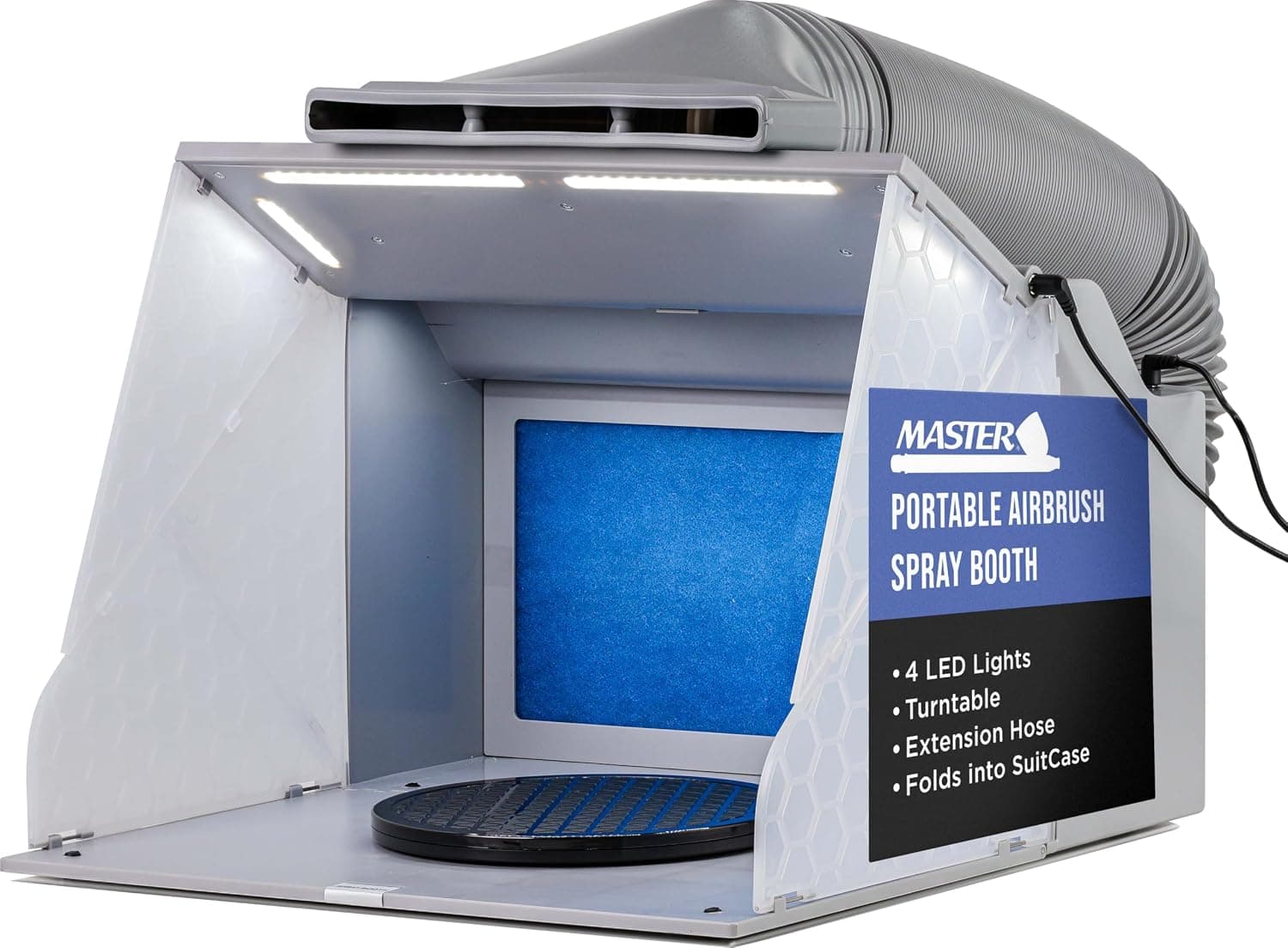
Winter tempts people to close doors and windows, but airbrushing without ventilation exposes you to paint particles and fumes. Use a spray booth vented outside and wear an appropriate respirator.
Choose water-based acrylics when possible in poorly ventilated spaces, while still using extraction and mask protection.
Keep the airbrush clean
Paint dries differently in cold conditions and can build up on the needle tip. Wipe the tip frequently and clean the airbrush thoroughly after each session.
Cold cleaning fluids may be less effective, so warm them to room temperature. Lubricate needle seals as recommended to keep the airbrush working smoothly.
Products from this article
The highest-scoring picks from the buying guides mentioned above. Scores are our editorial assessment, not customer ratings.
+ Water trap stops droplets from spitting through the airbrush
From our guide: Best Airbrush Moisture Traps and Filters
+ Dual exhaust fans pull overspray more strongly
From our guide: Best Spray Booths for Scale Modeling
+ Organic vapor cartridges protect against paint solvents
From our guide: Best Respirators for Hobby Painting
+ Diaphragm regulator holds pressure more steadily
From our guide: Best Airbrush Moisture Traps and Filters

Popular right now
- Best Magnifiers for Scale ModelingBuying guide
- Gluing Model Kits Without MessArticle
- Applying Decals ProperlyArticle
- Understanding Model ScalesArticle
- Restoring Old Model KitsArticle
- Removing Parts from Sprues Cleanly Without DamageArticle
Based on the last 28 days of search and visitor data.