Batch Building Multiple Kits
Published How we research
Batch building, the practice of working several kits through the same stages simultaneously, is how experienced modelers quietly multiply their output. The logic is borrowed straight from manufacturing: setup time dominates hobby work, and if the airbrush is already loaded with primer, priming four models costs barely more time than priming one. Done well, batching turns dead time into progress and finishes shelves of models per year. Done badly, it produces four abandoned projects instead of one.
Products from this article
The highest-scoring picks from the buying guides this article links to. Scores are our editorial assessment, not customer ratings.
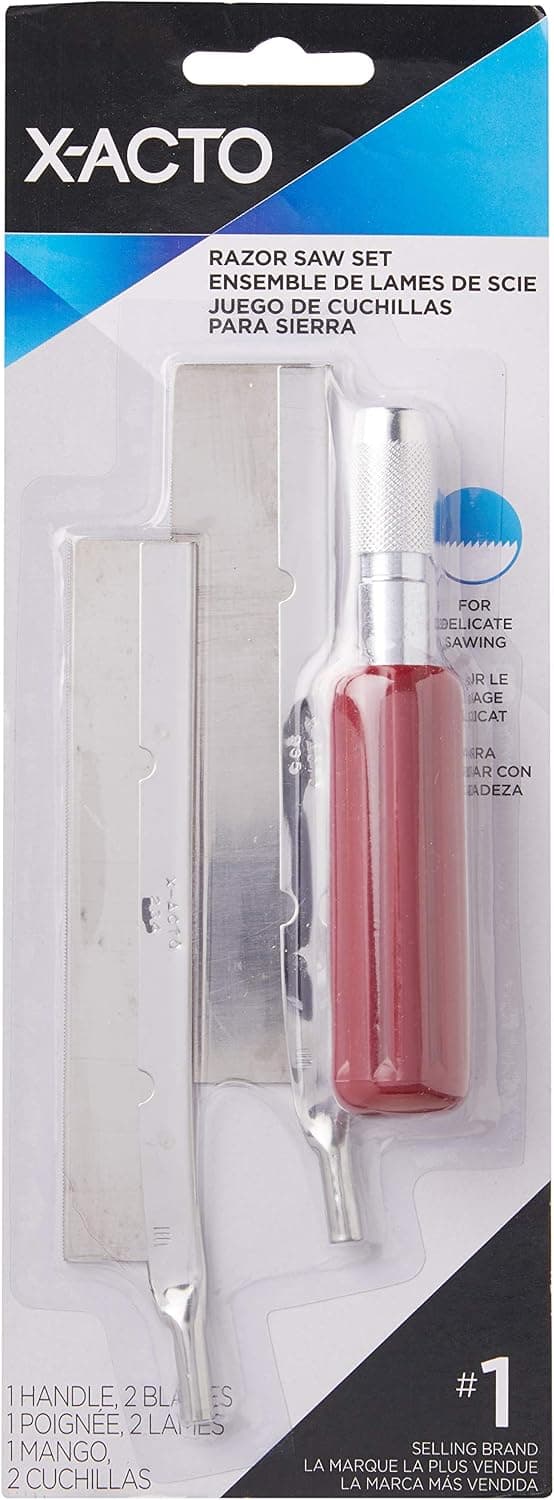
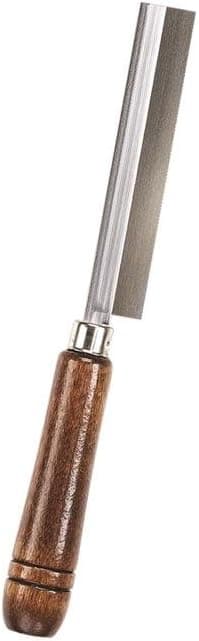
+ 52 TPI fine tooth count leaves a smooth, clean cut
From our guide: Best Hobby Saws: Fine-Cut Razor Saws for Model Work
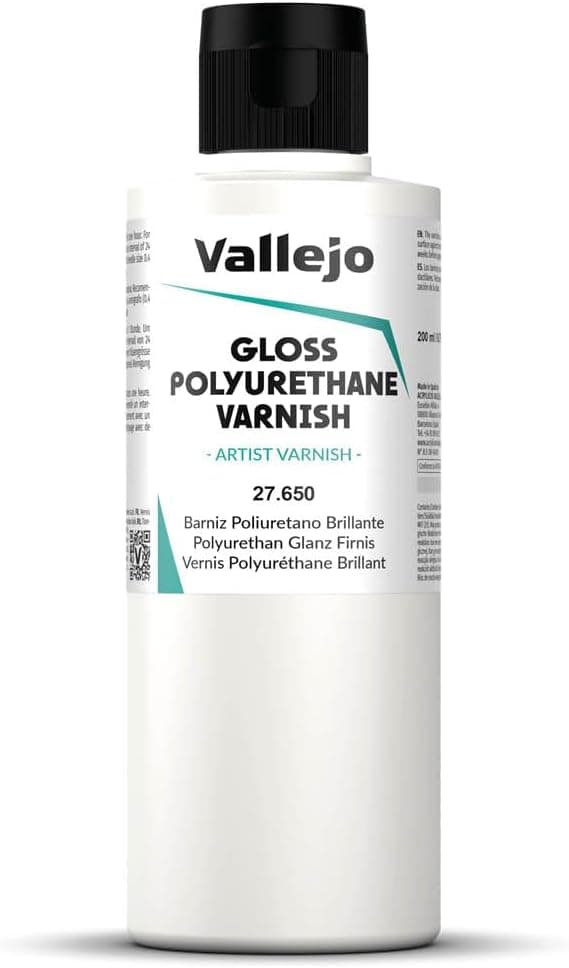
+ Polyurethane formula resists handling wear well
From our guide: Best Clear Coats for Models: Gloss, Satin, and Matte Finishes Compared
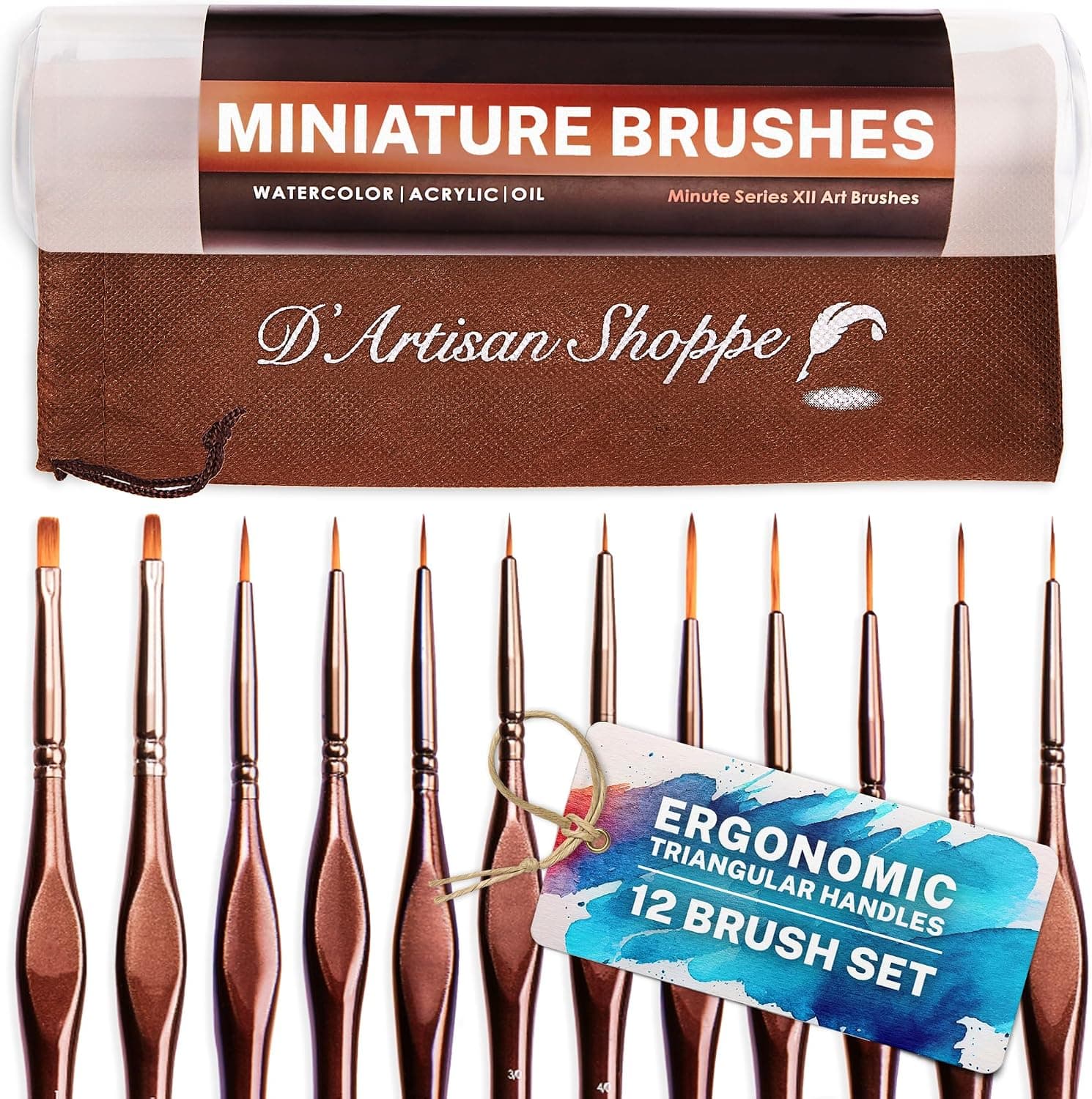
+ 12 brushes give a wide selection of sizes and shapes
From our guide: Best Brush Sets for Model Painting: Detail Brushes That Keep Their Point
+ 2 blades let you choose between finer and coarser cuts
From our guide: Best Hobby Saws: Fine-Cut Razor Saws for Model Work
The efficiency gains concentrate in specific stages. Painting is the clearest winner, because cleaning an airbrush or preparing a wet palette takes the same effort regardless of how many models receive that session's color, and common shades like primer, black basing, tire rubber, and interior green often appear across every kit on the bench. Waiting time is the second winner. Every build contains enforced pauses while glue cures, filler hardens, and clear coats dry, and a second project absorbs those pauses productively instead of ending the evening. Repetitive subassemblies, wheels, bombs, track links, benefit from doing all of them in one focused sitting while the technique is warm.
Batch composition determines most of the outcome. The classic approach batches similar subjects, three 1/72 aircraft sharing a paint scheme, or a squad of vehicles in the same camouflage, maximizing shared sessions. The opposite approach batches deliberately different projects, an aircraft, a tank, and a Gundam kit, so that a stalled or frustrating stage on one has no equivalent on the others and something on the bench always appeals. Both work. What fails reliably is batching too many kits, and the widely rediscovered limit is two to four projects, beyond which the mental load of tracking states exceeds the setup savings.
Light project management keeps a batch coherent. Each kit needs its own tray or box holding sprues, instructions, and subassemblies, because mixed parts between similar kits create genuinely miserable sorting problems. A simple note per project recording current state, next step, and mixed paint recipes pays for itself the first time two weeks pass between sessions. Some builders stagger their batch deliberately, keeping one kit in assembly, one in painting, and one in finishing, which smooths the workload and guarantees that satisfying finish-line moments arrive regularly instead of all at once.
The risks deserve honest treatment because batching amplifies existing habits, good and bad. Builders prone to losing enthusiasm mid-project will find that a batch multiplies stalls, since the temptation to start a fresh kit rather than push through a boring stage now has official cover. Fatigue also shows in quality, with the fourth identical cockpit of the evening rarely matching the first. The countermeasures are modest: cap the batch size, finish stages on all kits before opening anything new, and preserve the rule that at least one project must reach completion before a new one joins the rotation.
Whether batching suits you depends on what the hobby is for. Builders who savor a single subject deeply, researching references and perfecting each stage, may find parallel projects diluting rather than multiplying the pleasure, and there is nothing inefficient about building one kit at a time with full attention. But for the common case of a stash that grows faster than the finished shelf, batching the routine stages while keeping detail work individual offers a genuine best of both worlds, and most modelers who try a two-kit batch never quite return to strict monogamy with their projects.
Popular right now
- Best Magnifiers for Scale ModelingBuying guide
- Best Modeling Putty: Fill Seams and Gaps Like a ProBuying guide
- Best Airbrush Cleaners for ModelersBuying guide
- Best Hobby Lamps for Model BuildingBuying guide
- Best Brush Sets for Model Painting: Detail Brushes That Keep Their PointBuying guide
- Restoring Old Model KitsArticle
Based on the last 28 days of search and visitor data.