Choosing Your First Model Kit
Published How we research
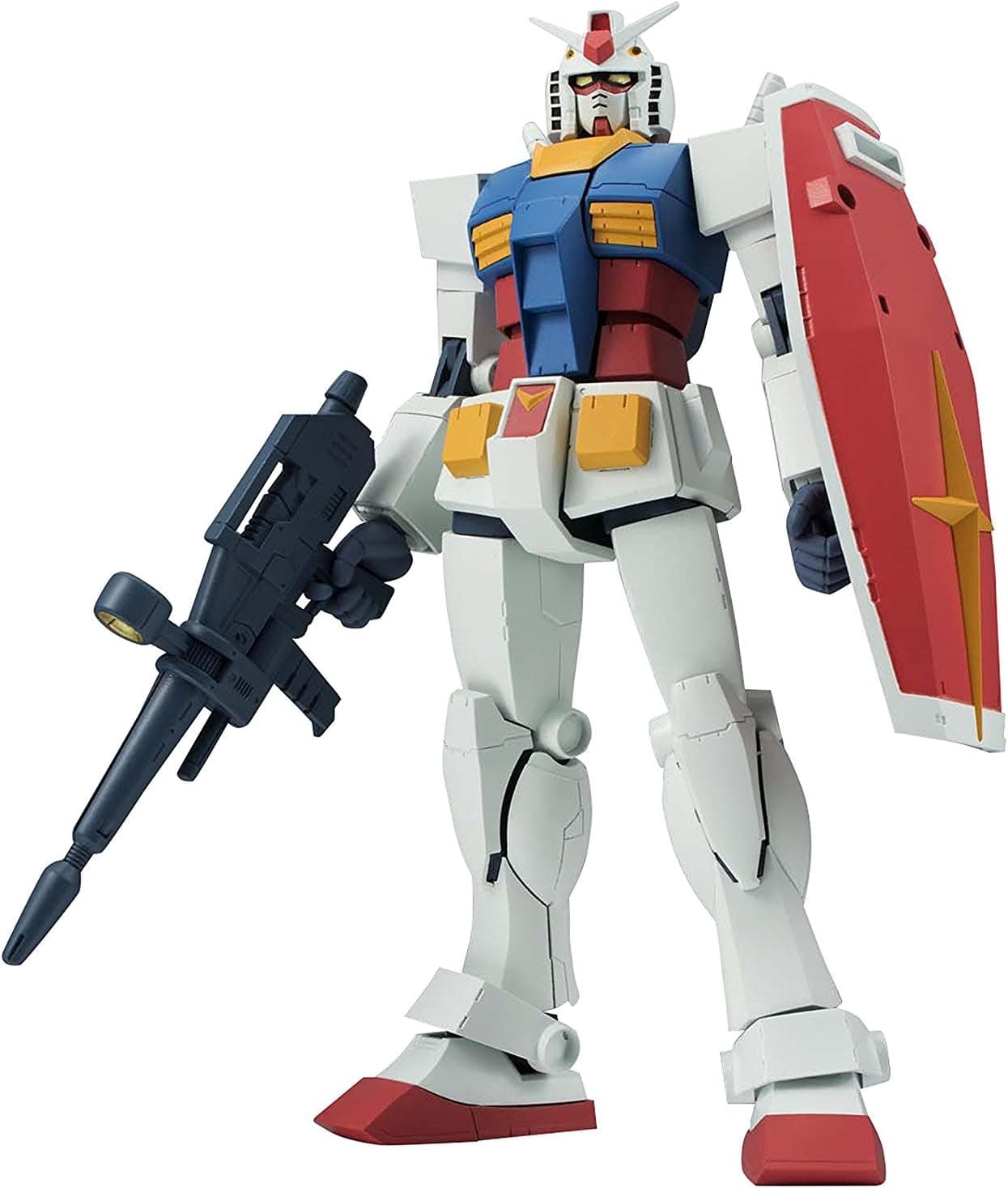
The single biggest predictor of whether a newcomer stays in scale modeling is not talent or budget. It is whether the first kit gets finished. A good first kit builds momentum and confidence, while a bad one convinces people the hobby is not for them. That makes kit selection a genuine skill, and fortunately the criteria are simple once you know what to look for.
Products from this article
The highest-scoring picks from the buying guides this article links to. Scores are our editorial assessment, not customer ratings.
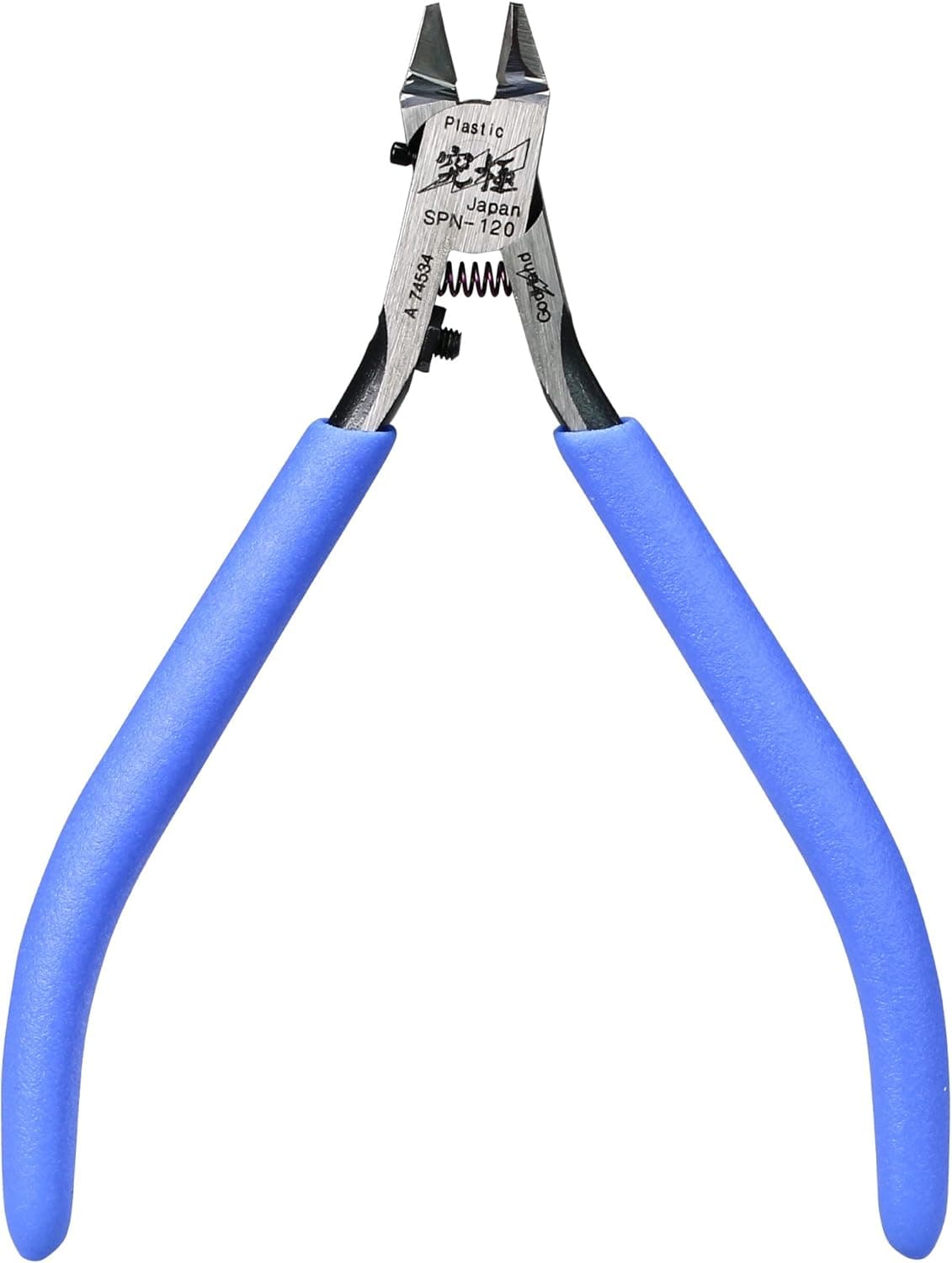
+ Ultra-thin single blade cuts so cleanly that sanding is often skipped
From our guide: Best Gifts for Model Builders
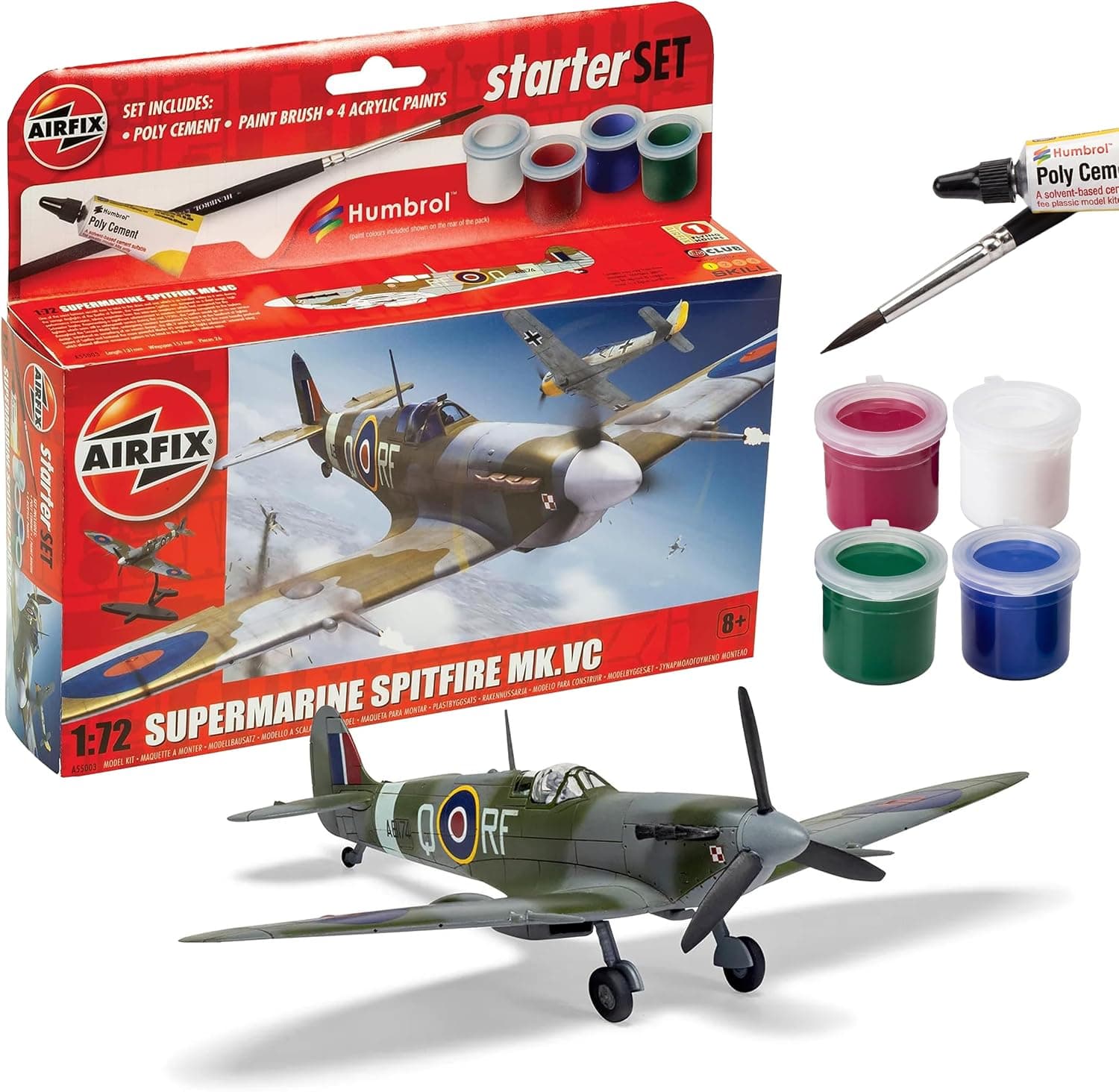
+ Starter set bundles paints, brushes and glue, so no separate shopping
From our guide: Best Beginner Model Kits: Easy First Builds That Look Great
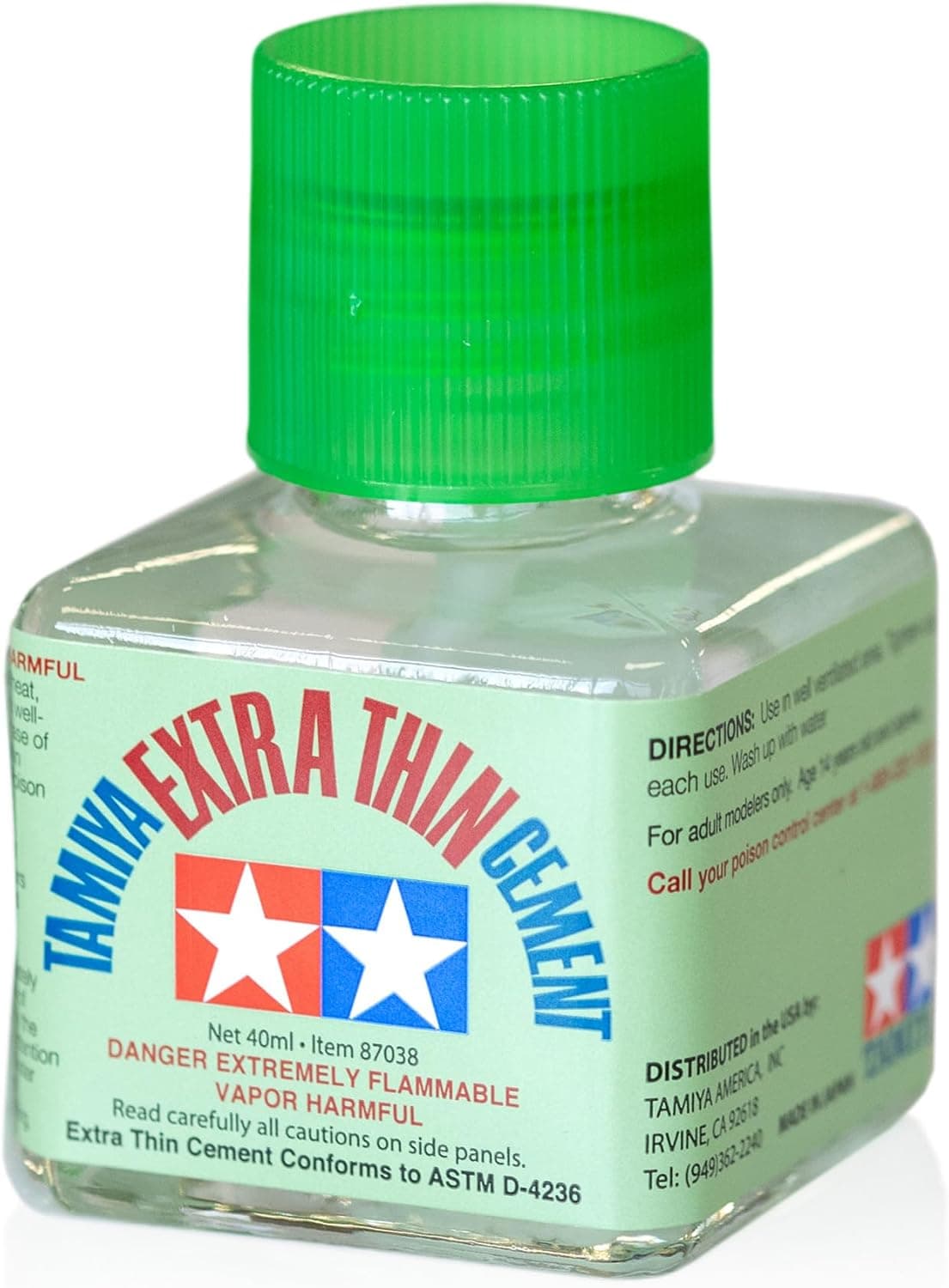
+ Extra thin formula flows into seams for nearly invisible bonds
From our guide: Best Model Building Tools for Beginners
+ Launch pad and controller are included, so you only add engines
From our guide: Best Gifts for Model Builders
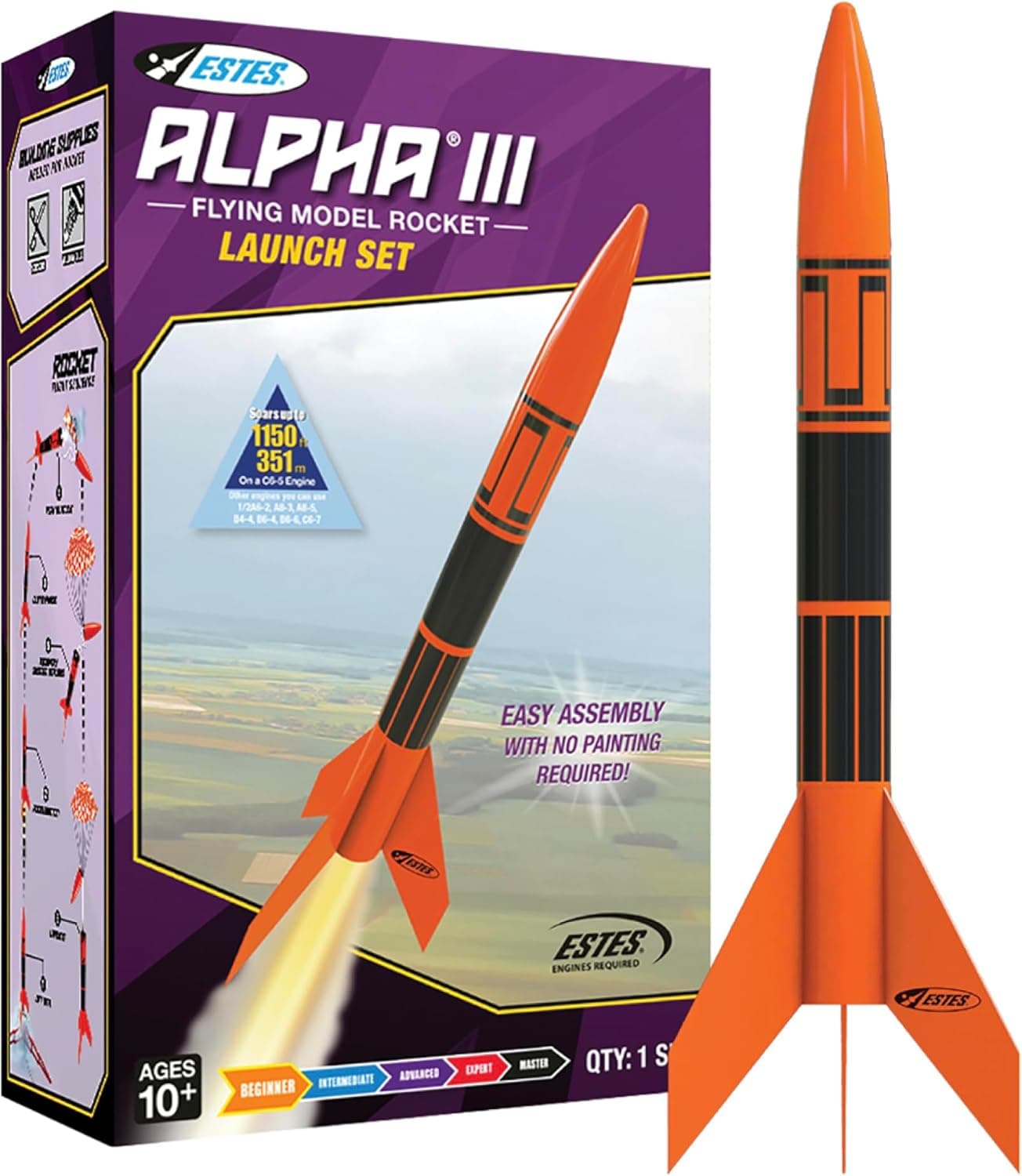
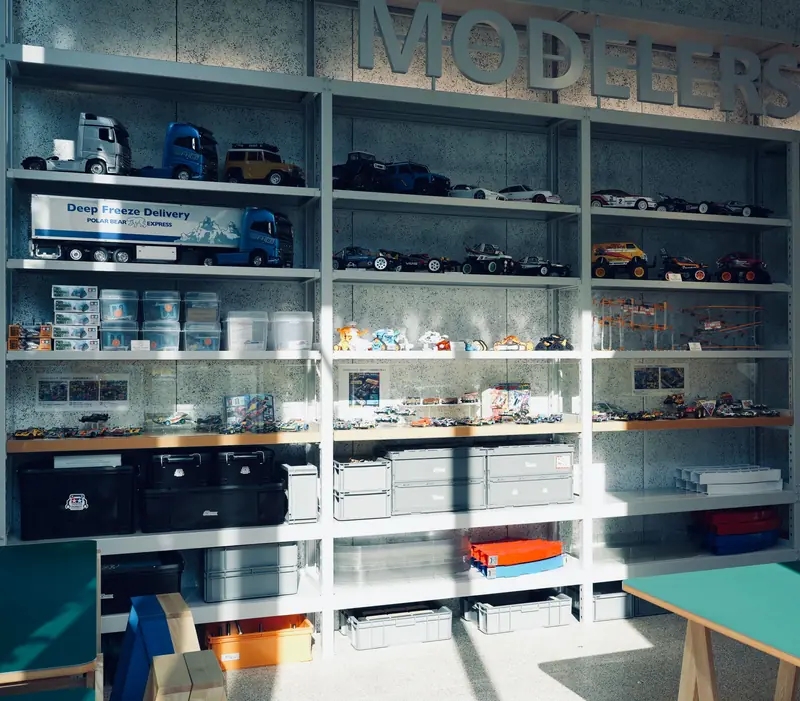
Part count comes first. A kit with 60 to 120 parts gives you enough building to feel substantial without burying you in tiny fiddly pieces. Boxes often print the part count on the side, and online reviews will mention it when they do not. Avoid anything labeled as a super-detailed or premium edition for your first build, because those extra parts are almost always small, fragile, and difficult to place. You can return to them later when your hands know what they are doing.
Manufacturer matters nearly as much. Modern kits from companies like Tamiya, Bandai, Airfix in their newer toolings, and Academy generally fit together with minimal fuss. Fit quality is invisible on the box art but dominates the building experience. A kit that fits well needs little filler and rewards careful assembly, while a poorly engineered kit fights you at every joint. When in doubt, search the kit name plus the word review before buying. Builders are vocal about both good and bad engineering.
Pick a subject you genuinely care about, not the one a guide tells you is easiest. A person who loves warships will push through a slightly harder ship build with more enthusiasm than they would bring to a boring but simple car. Motivation covers a multitude of difficulty. That said, within your area of interest, choose the simpler option. If you love aircraft, a single-engine fighter beats a four-engine bomber. If you love armor, a small tank beats a kit with individual track links.
Scale affects difficulty in ways beginners rarely expect. Larger scales like 1/35 armor or 1/48 aircraft have bigger parts that are easier to handle, paint, and see. Smaller scales like 1/72 save money and shelf space but demand steadier hands. For a first build, medium to large parts are your friend, even if the finished model takes up more room. Tiny parts and tweezers-only assembly can wait until your second or third project.
Finally, keep the budget sane. An excellent first kit costs between 15 and 40 dollars, and spending more buys complexity rather than enjoyment at this stage. Put the savings toward basic tools and a few paints, which will carry across every future build. The goal of the first kit is not to produce a masterpiece. It is to complete the full cycle of cutting, assembling, painting, and finishing, so that the second kit starts with confidence instead of guesswork. Buy it from a shop with a return policy if you can, check that the box is sealed and undamaged, and open it the same week rather than letting it join a stash unbuilt. A first kit only does its job when it actually gets built.
Popular right now
- Best Magnifiers for Scale ModelingBuying guide
- Best Modeling Putty: Fill Seams and Gaps Like a ProBuying guide
- Best Airbrush Cleaners for ModelersBuying guide
- Best Hobby Lamps for Model BuildingBuying guide
- Best Brush Sets for Model Painting: Detail Brushes That Keep Their PointBuying guide
- Restoring Old Model KitsArticle
Based on the last 28 days of search and visitor data.