Gift Kits for Kids
Published How we research
A model kit is a wonderful gift for a child, and also an easy gift to get wrong. The same box that delights a patient twelve-year-old defeats an eight-year-old in twenty frustrating minutes, and a defeated child concludes that models are not for them, which is precisely the opposite of the gift's intent. Choosing well means matching the kit to the child's age, fine motor skills, and attention span, and the market offers genuinely good options at every level once you know what to look for.
Products from this article
The highest-scoring picks from the buying guides this article links to. Scores are our editorial assessment, not customer ratings.
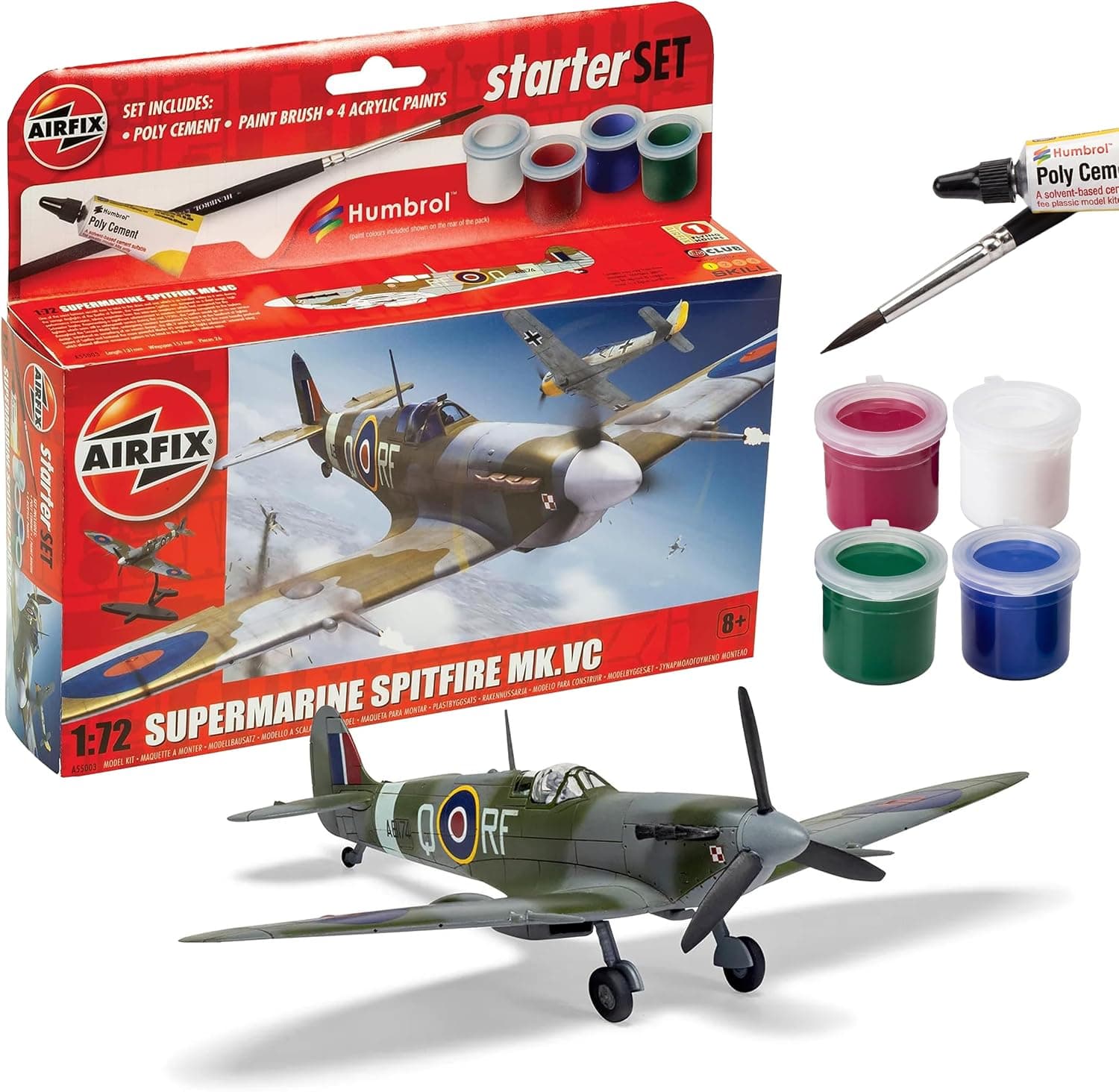
+ Starter set bundles paints, brushes and glue, so no separate shopping
From our guide: Best Beginner Model Kits: Easy First Builds That Look Great
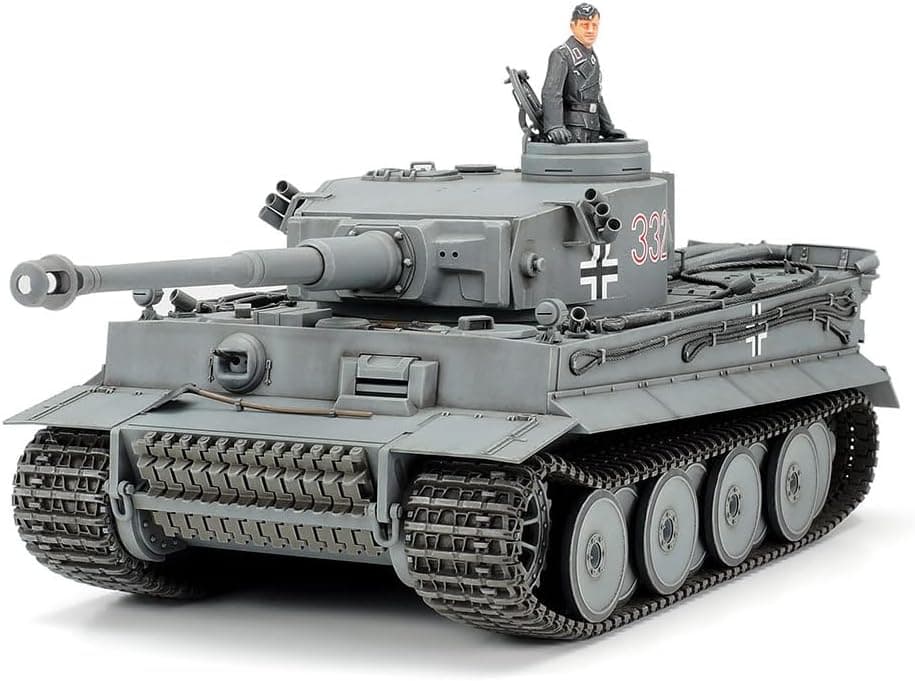
+ Early production details distinguish it from later Tiger variants
From our guide: Best Model Tank Kits: Top Armor Picks for Scale Modelers
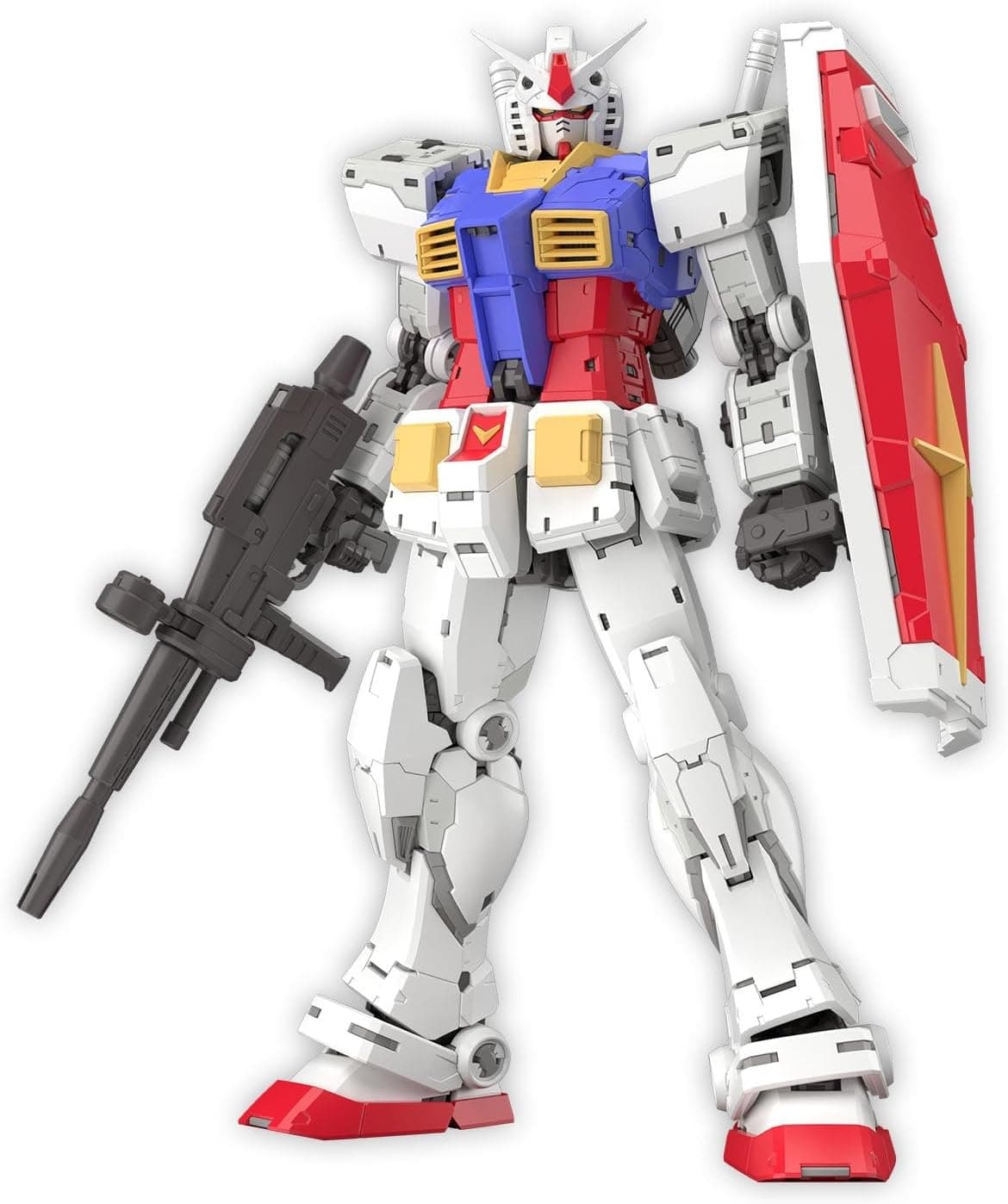
+ Updated Ver. 2.0 engineering improves joint strength and posing
From our guide: Best Gundam Model Kits: Top Gunpla for Every Grade
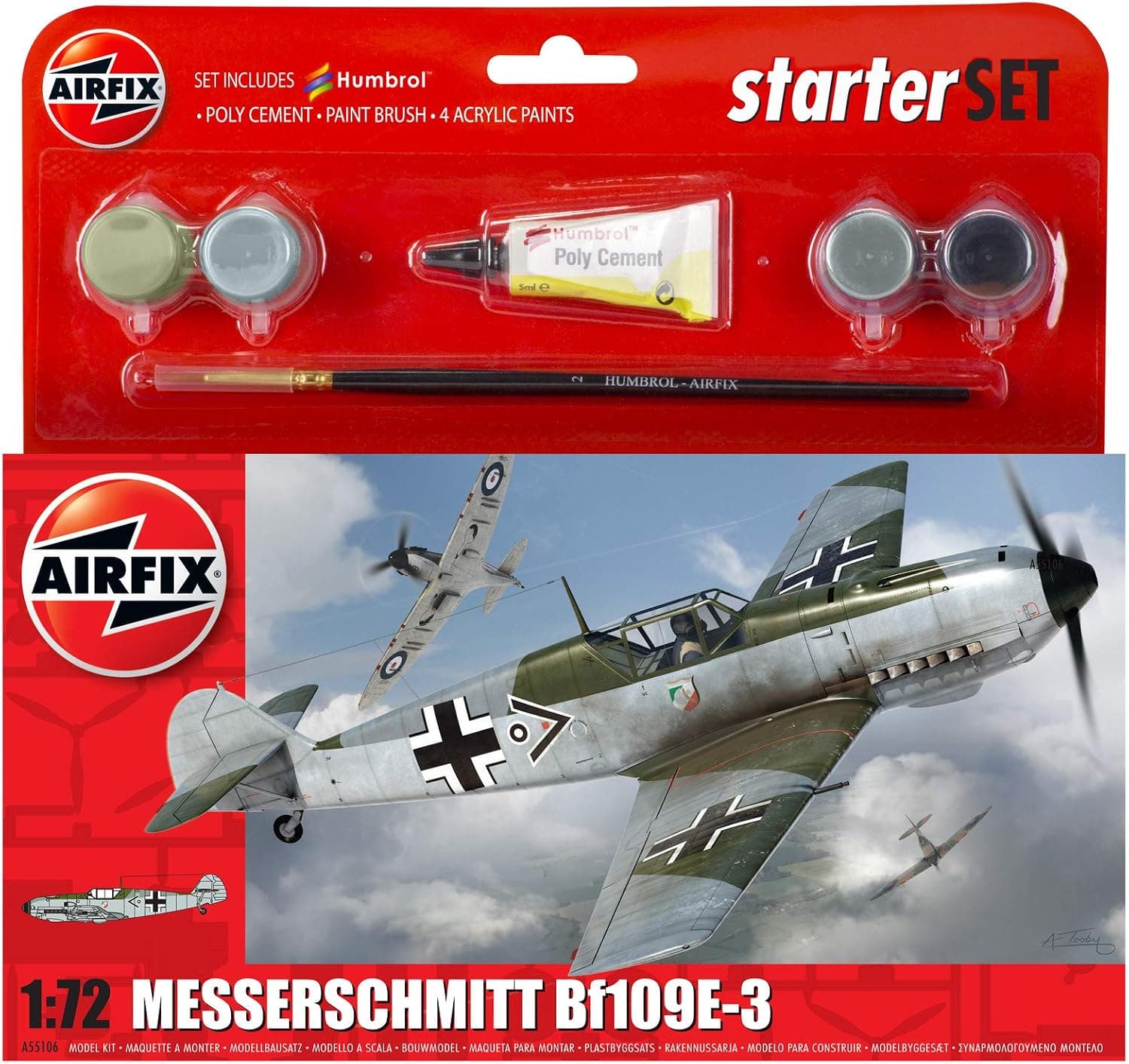
+ Pairs with the Spitfire starter set to recreate the Battle of Britain
From our guide: Best Beginner Model Kits: Easy First Builds That Look Great
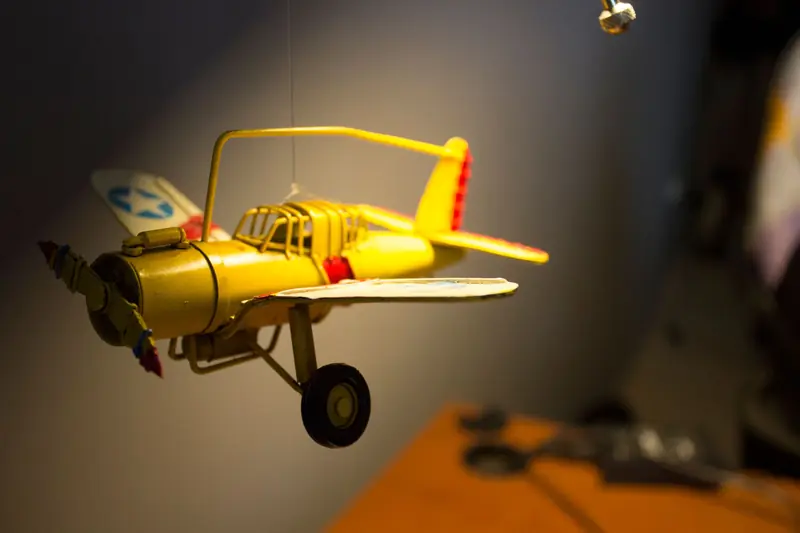
For younger children, roughly ages six to nine, the right category is snap-together kits with large parts and no glue, paint, or blades required. Brick-style construction sets, chunky snap-fit cars, and beginner spacecraft kits fit here, along with the smaller stylized Gundam kits whose parts come molded in color and press together firmly. Success at this age means a finished, playable object within one or two sittings. Boxes marked as skill level 1 or explicitly labeled snap-tite are the reliable signal, and anything requiring cement belongs on a later birthday.
The golden window for a first real kit opens around ages ten to twelve, when most children can handle sprue cutters under supervision, follow pictorial instructions, and sustain focus across a few sessions. Entry-grade Gundam kits are arguably the single best choice of this era, engineered for clean snap assembly with impressive results and no paint needed. Simple 1/72 aircraft, small car kits, and starter sets that bundle glue, brushes, and a few paints also shine here. Part count is the number to watch, with something between 40 and 120 parts hitting the sweet spot of substantial but finishable.
Teenagers can handle nearly any mainstream kit, and the selection question shifts from ability to interest. A teen who loves a particular game, anime, film, or historical period will finish a kit connected to that passion and abandon a technically easier kit chosen for them by difficulty rating alone. This is the age to add a proper starter tool set, decent nippers, a knife, sanding sticks, and a cutting mat, because real tools signal trust and make the work dramatically more pleasant than the bent-nail-clipper improvisations most of us started with.
Safety boundaries are simple and worth stating plainly. Hobby knives and any cutting tools call for supervision well into the early teens, depending on the child. Solvent cements and spray paints need ventilation and adult handling for younger builders, with white glue and brush acrylics as the child-safe alternatives. Small parts rule out proper kits for toddlers entirely. None of this requires hovering, and the appropriate supervision level drops fast as skills grow, but the first blade session and the first glue session deserve an adult within arm's reach.
The deeper secret of gifting a model kit is that the kit is half the present, and the other half is company. A parent or relative who sits down and builds alongside the child, handling the tricky steps without taking over, transforms the experience from a solo test into a shared project, and those bench sessions are what former child modelers actually remember decades later. Add reasonable expectations, celebrate the finished model prominently regardless of its flaws, and keep a second kit quietly in reserve, because the most common outcome of a well-chosen first kit is an immediate request for another one.
Popular right now
- Best Magnifiers for Scale ModelingBuying guide
- Best Modeling Putty: Fill Seams and Gaps Like a ProBuying guide
- Best Airbrush Cleaners for ModelersBuying guide
- Best Hobby Lamps for Model BuildingBuying guide
- Best Brush Sets for Model Painting: Detail Brushes That Keep Their PointBuying guide
- Restoring Old Model KitsArticle
Based on the last 28 days of search and visitor data.