What Is Gunpla? A Beginner's Guide to Building Your First Gundam Kit
Published How we research
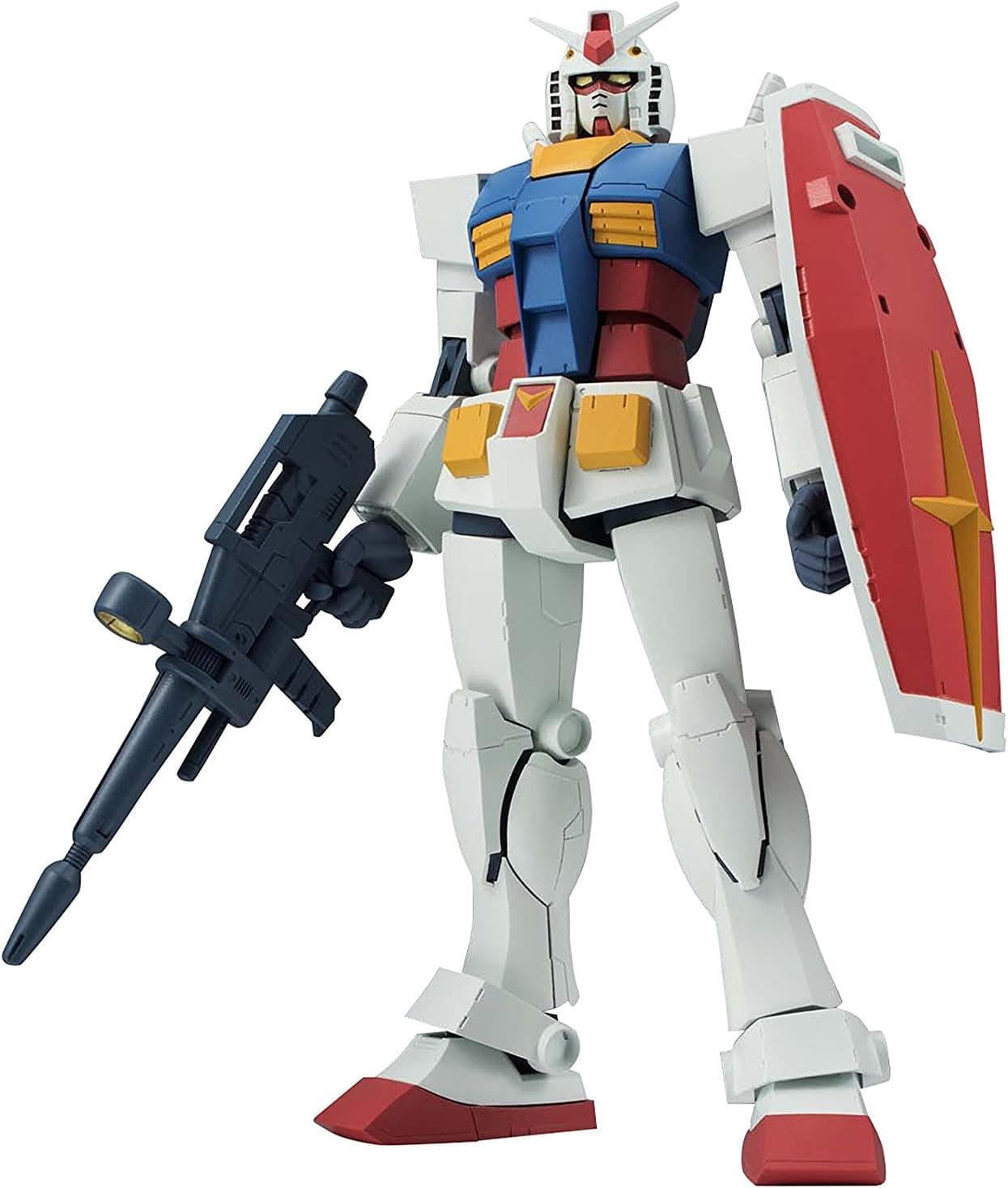
Gunpla is the name for Gundam plastic model kits, short for Gundam plastic model. They are made by Bandai, come as parts on plastic runners, and mostly snap together without glue or paint because the plastic is molded in color. That makes them one of the friendliest ways into model building. A first kit needs only a few tools and an afternoon, and it can grow into a hobby of painting, detailing and customizing.
Products from this article
The highest-scoring picks from the buying guides this article links to. Scores are our editorial assessment, not customer ratings.
+ Updated Ver. 2.0 engineering improves joint strength and posing
From our guide: Best Gundam Model Kits: Top Gunpla for Every Grade
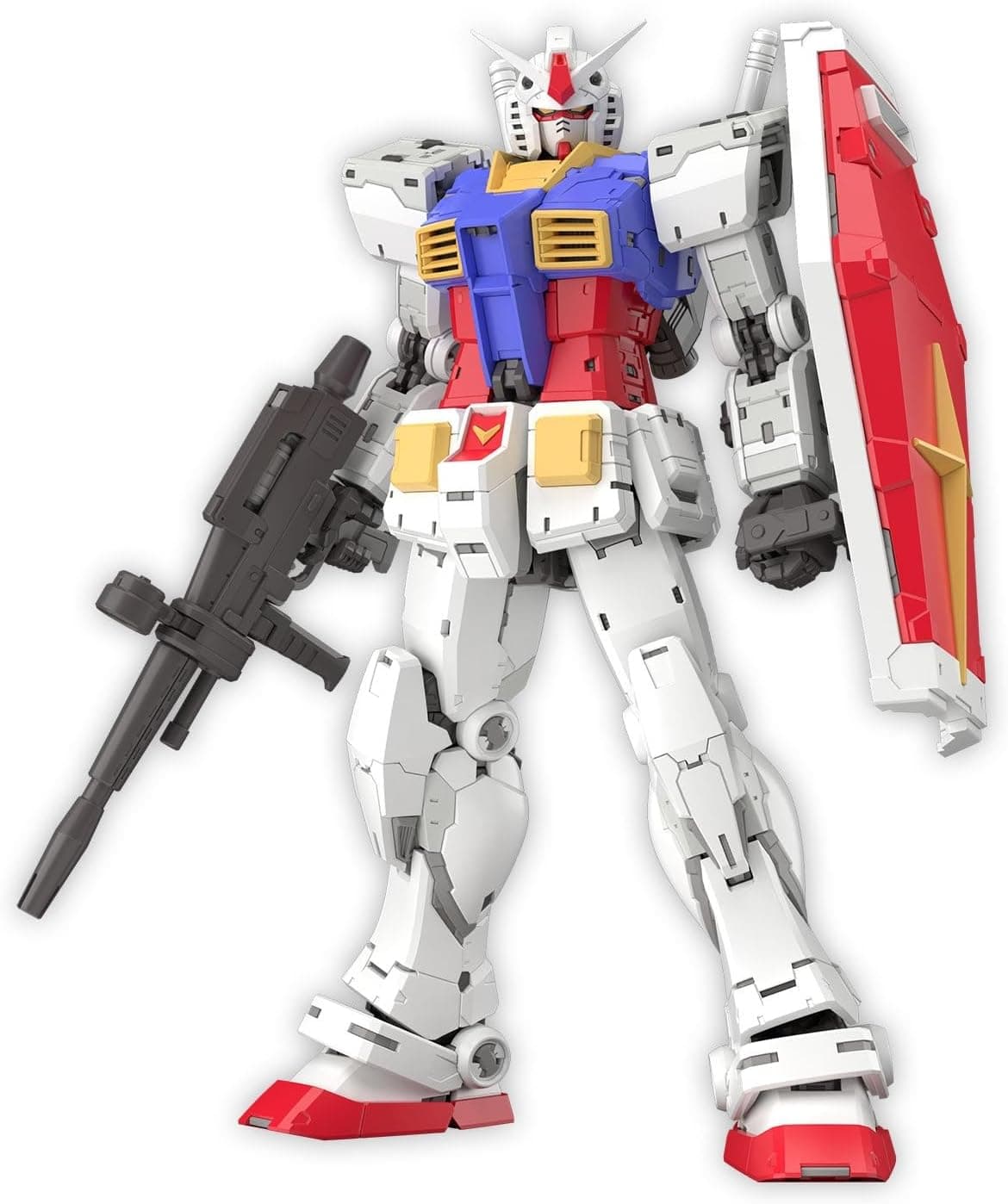
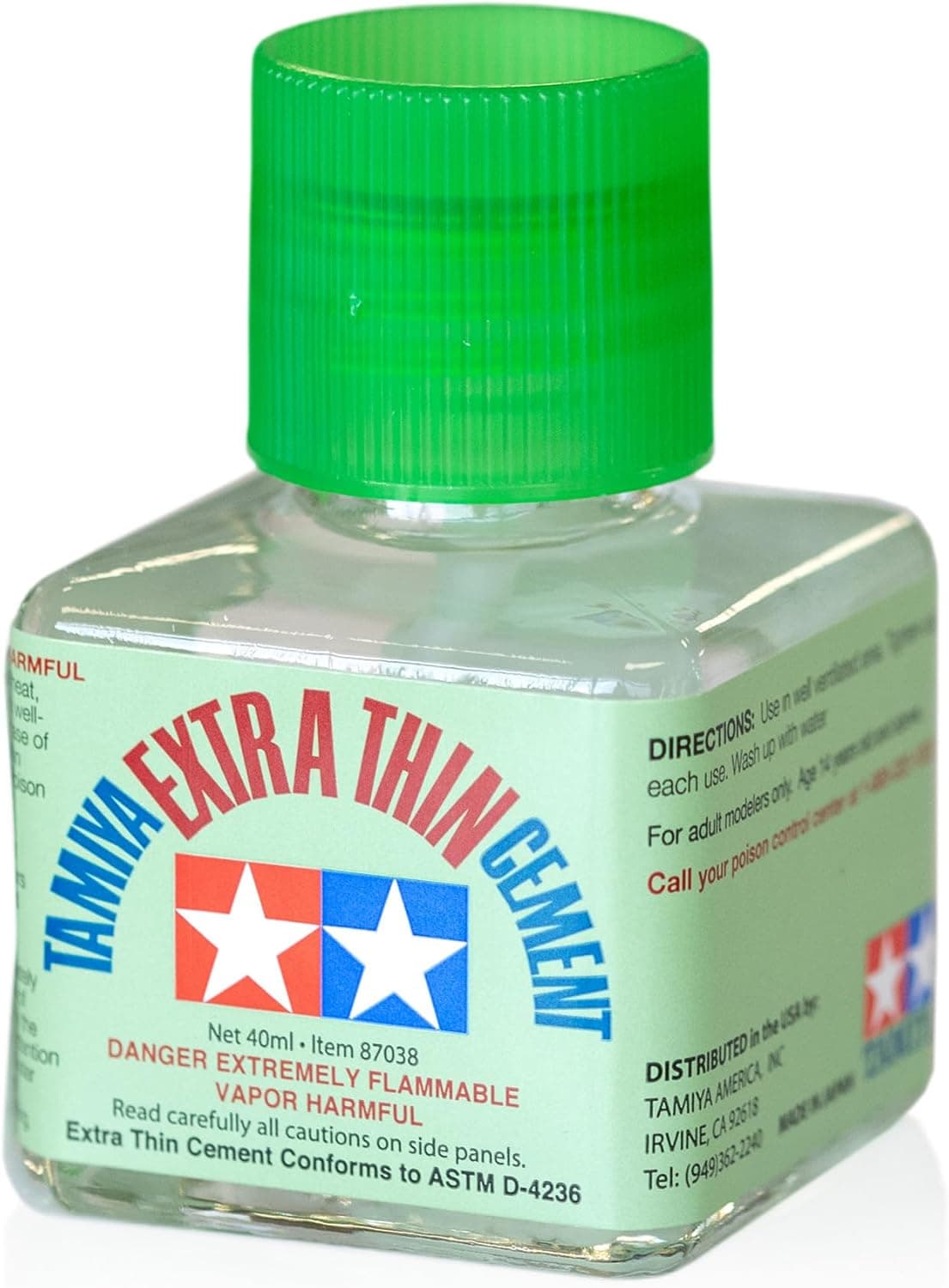
+ Extra thin formula flows into seams for nearly invisible bonds
From our guide: Best Model Building Tools for Beginners
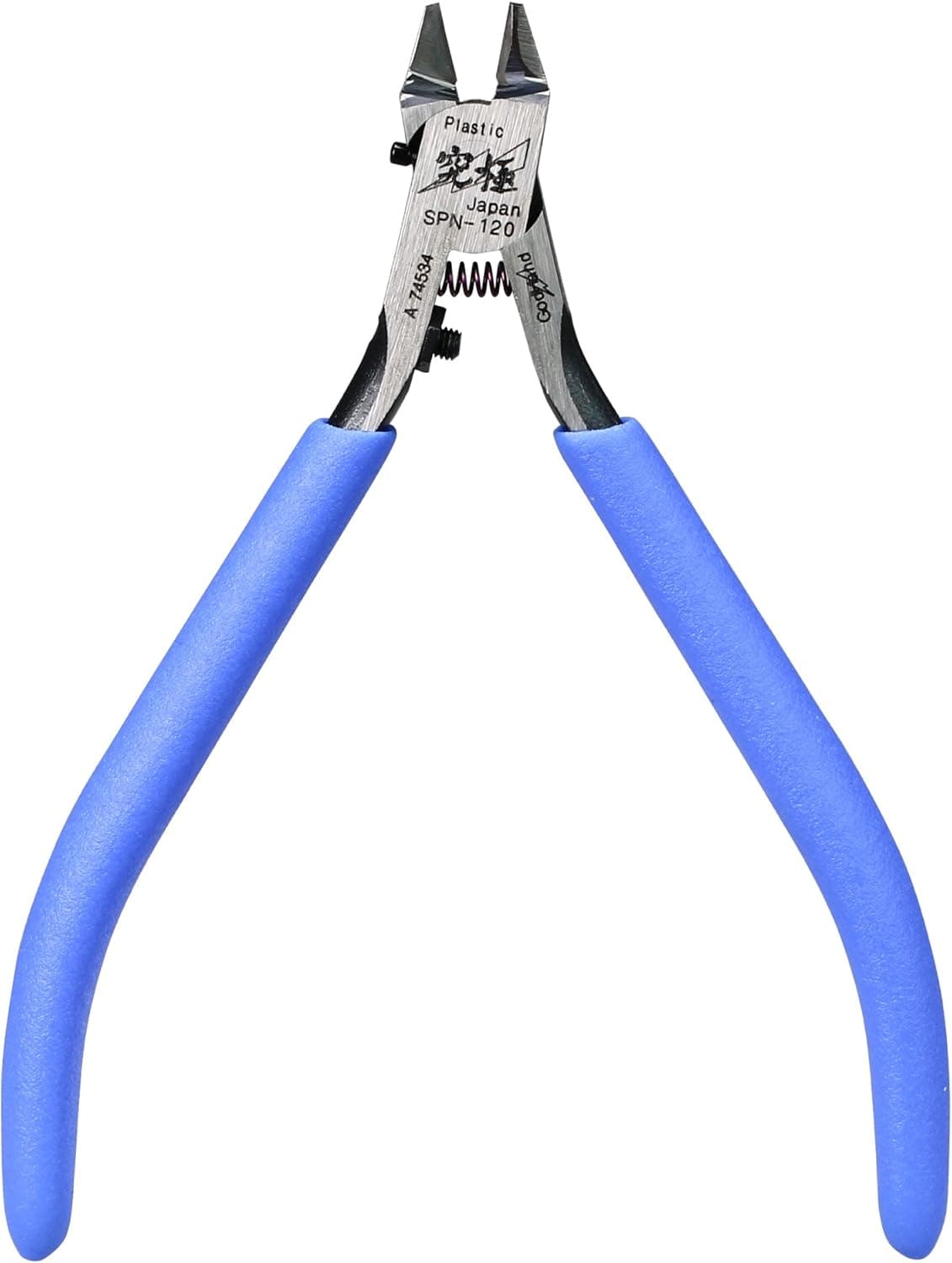
+ Ultra-thin single blade cuts so cleanly that sanding is often skipped
From our guide: Best Sprue Cutters for Model Kits: Clean Cuts Every Time
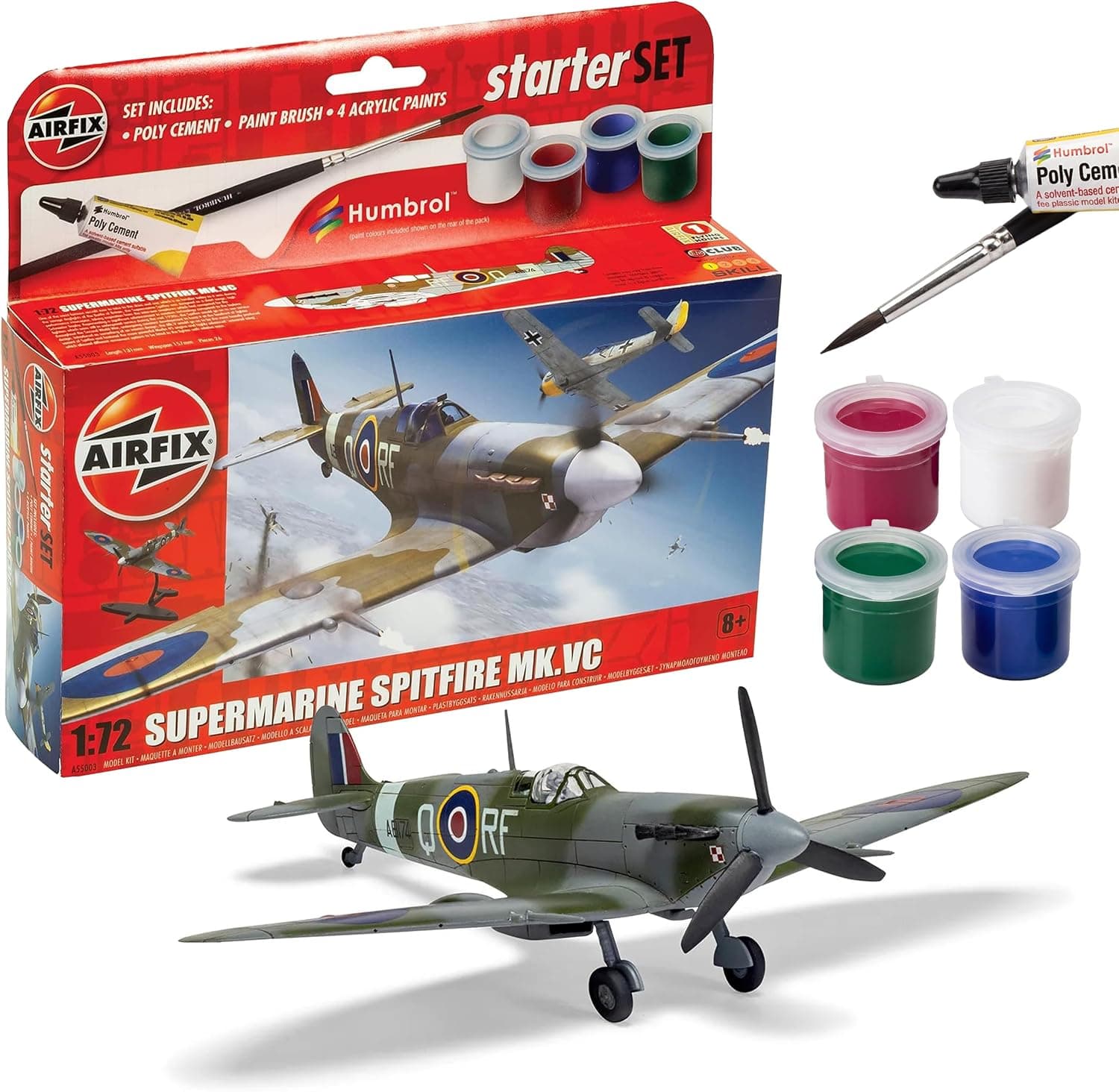
+ Starter set bundles paints, brushes and glue, so no separate shopping
From our guide: Best Beginner Model Kits: Easy First Builds That Look Great
What Gunpla actually is
The word combines Gundam with plastic model. The kits depict robots, called mobile suits, from the Gundam anime franchise, and they are sold as boxes of plastic parts on frames called runners or sprues. You cut the parts off, assemble them following the printed manual and end up with a posable figure that looks like the character on screen.
Unlike many traditional scale kits, Gunpla is designed to be easy. Parts are molded in several colors, so a basic build looks finished without painting. Joints are engineered to move, so you can pose the figure on a shelf. Stickers or foil marks add small details. That friendly design is a big reason the hobby has spread worldwide.
Another reason for its popularity is the range. Kits come in several sizes and difficulty levels, from tiny quick builds to large, intricate projects, so the same hobby can suit a ten minute break or a month of weekends. New releases arrive regularly, and older designs are often reissued with improved engineering, which keeps the hobby fresh for newcomers and veterans alike.
What you need to get started
At minimum you need a pair of sprue cutters, sometimes called nippers, to remove parts cleanly. A hobby knife helps trim leftover nubs, and sanding sticks or a fine file smooth the marks. Tweezers are useful for placing stickers. A cutting mat protects your table and keeps small parts from rolling away.
Good lighting and a tray for parts make the build more relaxing. You do not need glue or paint for your first kit, though you may want them later. If you do start trimming with a knife, cut away from your body and keep fingers behind the blade. Our beginner tool guide compares starter sets in detail.
Picking your first kit
A good first kit is an Entry Grade or High Grade model of a character you like. These have fewer parts, simple instructions and short build times, so you get a satisfying result without a long commitment. Liking the design matters more than any technical spec, because you will spend hours with it.
Avoid jumping to the most complicated lines for a first build. Larger kits are rewarding but have many parts and need patience. Check the box for the scale and grade, and read reviews or build photos to see how well a particular release goes together. Our Gundam kit guide is a good place to compare options.
It also helps to check what is included. Some kits come with extra hands, weapons or stands, and some need a display base bought separately. Read the box contents or the product listing, and make sure you know whether a kit is a snap-fit design or needs glue and paint, so there are no surprises when you open it.
How a first build goes
Start by reading the manual and planning the order. Cut parts from the runner a little away from the piece, then make a second cut close to the part to remove the remaining nub. This two-cut approach reduces white stress marks. Trim any leftover gate marks and sand lightly if needed.
Assemble in the order shown, and test fit pieces before pressing them together firmly. Place stickers with tweezers and press them down gently. Do not force parts, since snap-fit pieces should go together with modest pressure. If something resists, check the manual for orientation. Take breaks, and keep parts organized in small trays so none get lost.
Once it is assembled, move the joints gently and test the poses before you display it. New joints can be stiff, and working them slowly loosens them without stressing the plastic. If a joint feels too tight, check that no stray nub or sticker is blocking it, and avoid forcing it, since that can crack a part.
Simple upgrades once you are hooked
The easiest upgrades are panel lining, which adds fine dark lines in the grooves for depth, and a clear top coat to protect the surface. Both are low-cost and make a visible difference. Gundam markers and washes are beginner friendly, and our panel lining article walks through the steps.
Later you can try painting, custom colors, weathering and different kits. Some builders focus on a single series, others on a particular scale or grade. The hobby has plenty of room, and you can go as simple or as deep as you like.
Safety and care
Sprue cutters and knives are sharp, and small parts are a choking hazard for young children, so keep kits away from kids who still put things in their mouths. Work on a stable surface with good light. If you move on to paints or sprays, follow the safety instructions and ventilate the room.
Keep finished kits out of direct sunlight, which can fade plastic and stickers over time, and dust them gently with a soft brush. A display case keeps the shelf tidy and protects delicate parts.
Frequently asked questions
Do I need glue to build Gunpla? Usually not. Most kits are designed to snap together, though some builders use cement for a stronger or cleaner result. Do I need to paint it? No. Kits are molded in color, and painting is optional for anyone who wants a custom look.
How long does a first kit take? An Entry Grade or small High Grade often takes a few hours, depending on your pace and how much cleanup you do.
Is Gunpla only for Gundam fans? No. Many people enjoy it purely as a relaxing building hobby, whether or not they follow the series.
Popular right now
- Best Magnifiers for Scale ModelingBuying guide
- Best Modeling Putty: Fill Seams and Gaps Like a ProBuying guide
- Best Airbrush Cleaners for ModelersBuying guide
- Best Hobby Lamps for Model BuildingBuying guide
- Best Brush Sets for Model Painting: Detail Brushes That Keep Their PointBuying guide
- Restoring Old Model KitsArticle
Based on the last 28 days of search and visitor data.