Organizing Hobby Paints
Published How we research
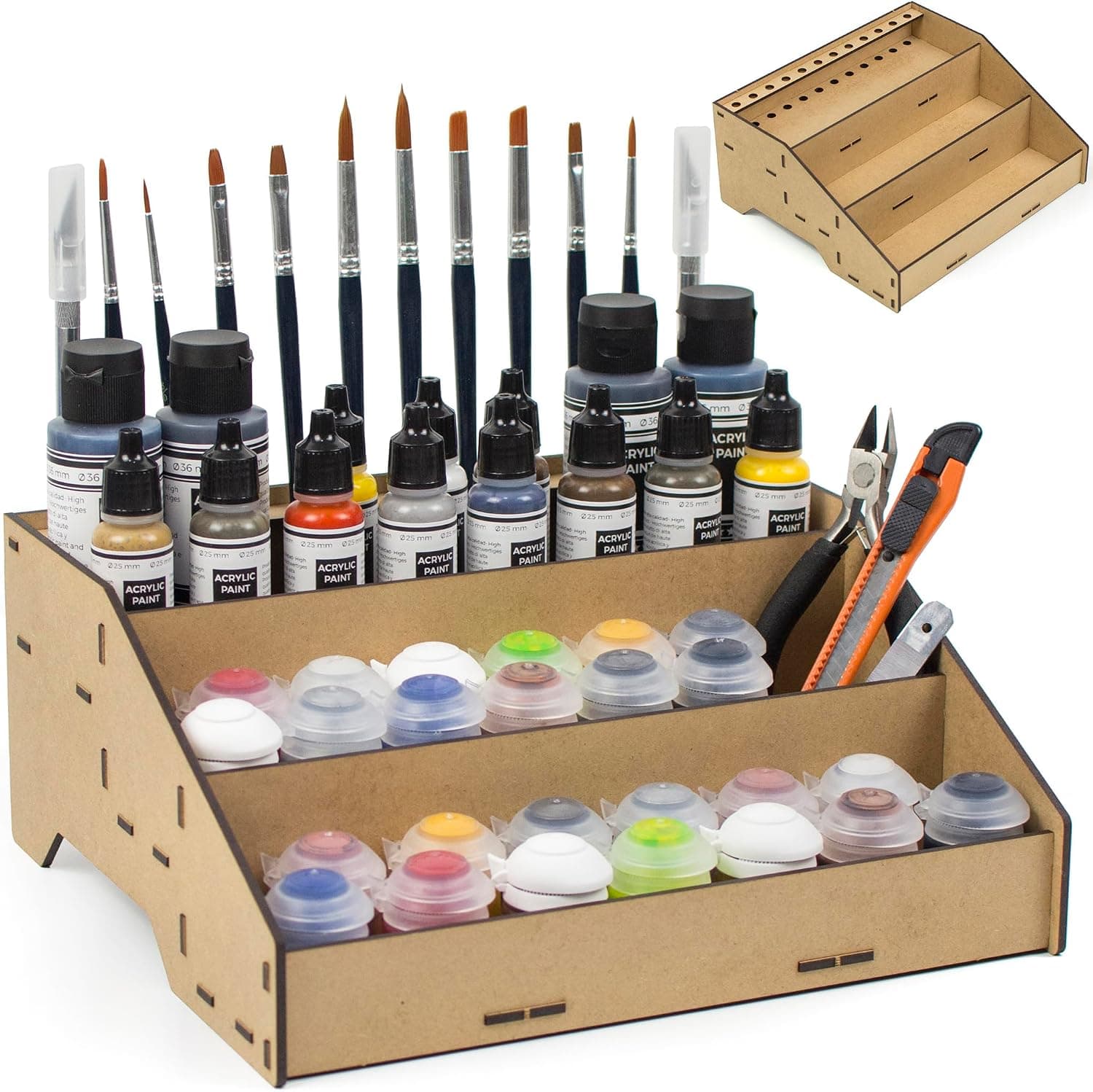
Sort paints two levels deep, first by brand or type (acrylic, enamel, lacquer, since they thin differently), then by color family, mirroring how you actually search while painting. Store bottles upright away from sunlight, radiators, and freezing windows, since heat, light, and frost kill paint. Track inventory with a simple spreadsheet noting fill levels to end duplicate purchases permanently. Extend shelf life by cleaning threads before recapping, closing bottles between uses, and using agitator balls to remix settled pigment. For projects, pull needed bottles into a small active-palette tray rather than working from the full wall, keeping the bench clear and the collection organized. Paint collections grow by stealth. A few bottles for a first kit become thirty within a year, then a hundred, and one day you are in a hobby store buying a fourth bottle of the same olive drab because you cannot remember owning the other three. Organizing paint is not about aesthetics, although tidy racks are satisfying. It is about knowing what you own, finding it in seconds, and keeping it usable for years instead of discovering dried-out bottles at the exact moment you need them.
Products from this article
The highest-scoring picks from the buying guides this article links to. Scores are our editorial assessment, not customer ratings.
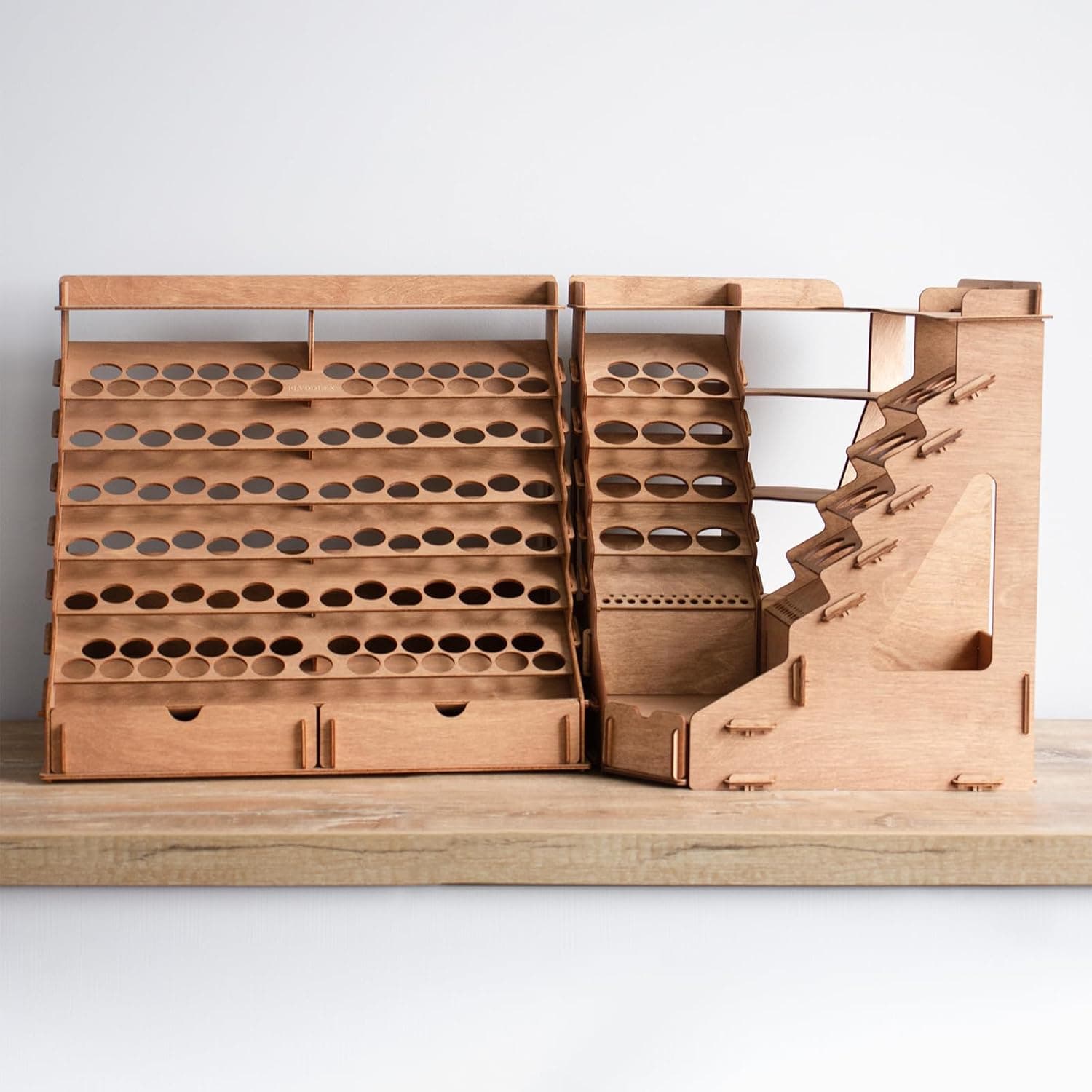
+ 74 holes fit Vallejo, Citadel and Tamiya bottles
From our guide: Best Paint Organizers for Model Builders
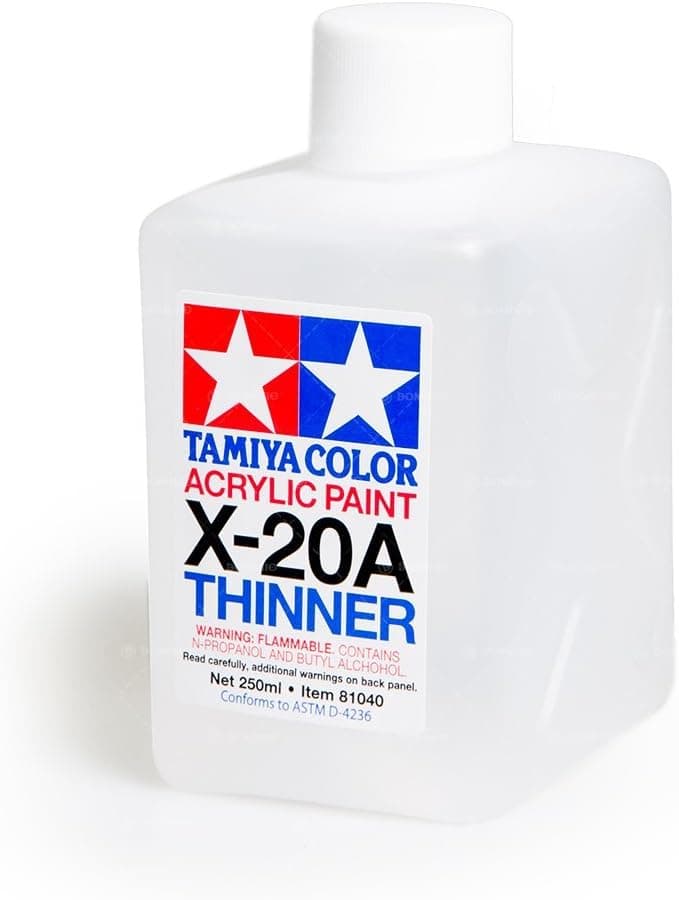
+ 250ml bottle is economical for frequent airbrushing
From our guide: Best Model Paint Thinners: Match the Right Thinner to Your Paint
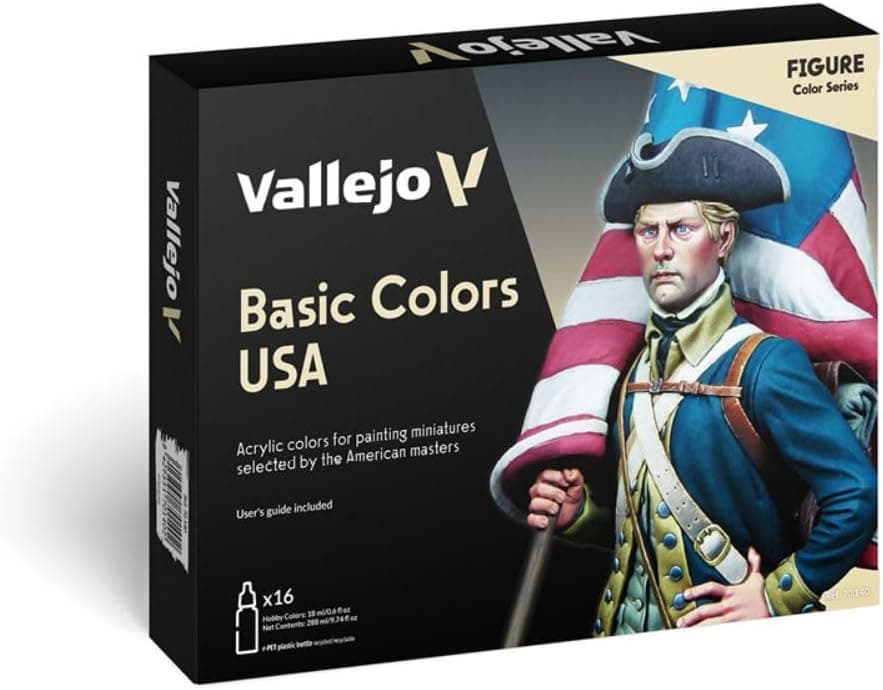
+ 16 Model Color bottles cover a wide brush painting palette
From our guide: Best Model Paint Sets: Acrylic and Enamel Starter Kits Worth Buying
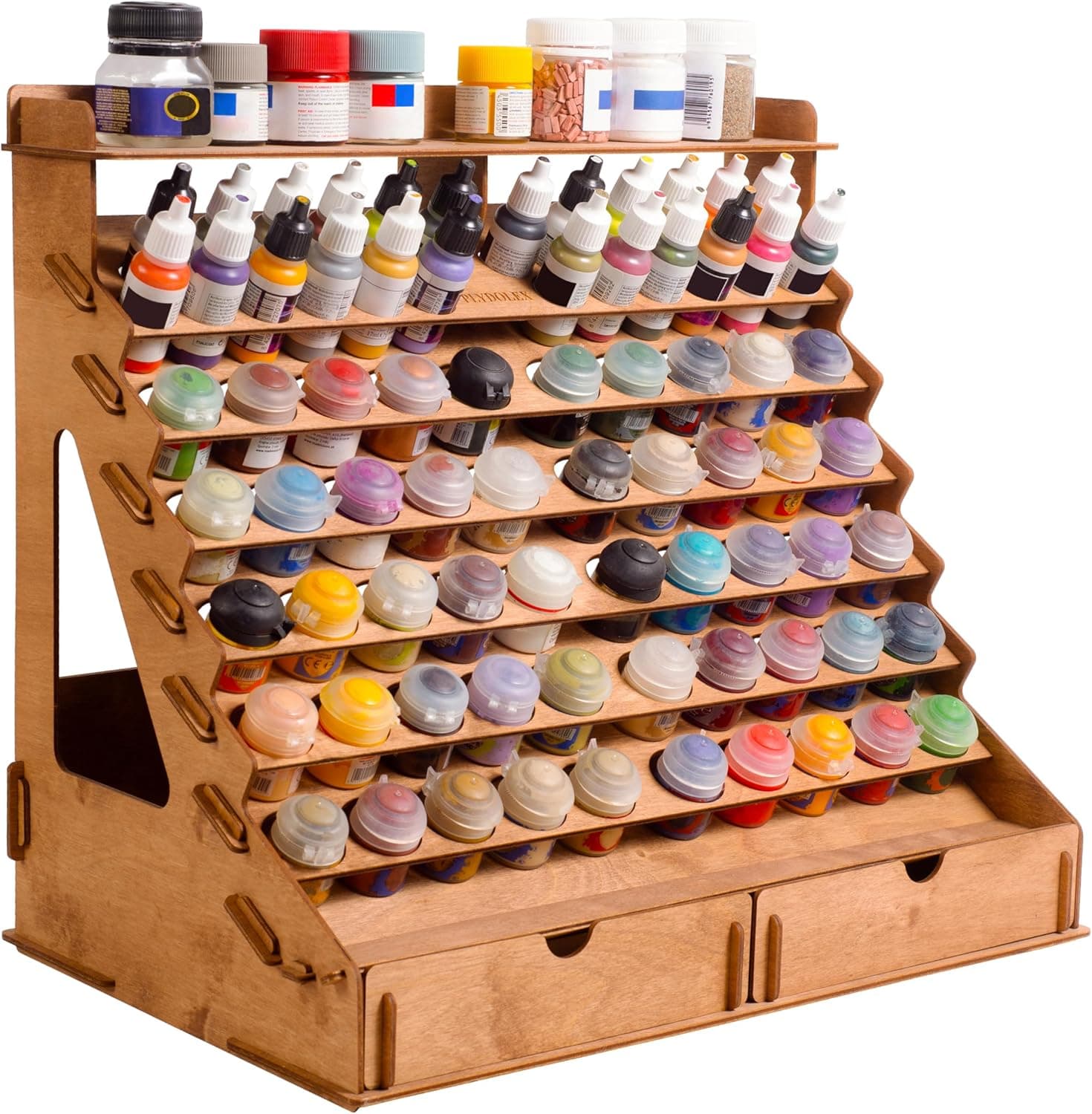
+ Stores 105 bottles plus 32 in the corner rack
From our guide: Best Paint Organizers for Model Builders
The first decision is the sorting principle
The first decision is the sorting principle, and the practical answer for most collections is a two-level sort: first by brand or paint type, then by color family. Keeping acrylics, enamels, and lacquers separated matters because they thin differently, mix differently, and get reached for at different stages of a build. Within each type, grouping by color, all the greens together, all the earth tones together, mirrors how you actually search while painting. Sorting purely by manufacturer number looks organized and helps nobody at the bench.
Physical storage should present labels at a glance
Physical storage should present labels or caps at a glance. Tiered display racks, wall-mounted shelving, drawer inserts with bottles stored upright, and rotating carousel organizers all work, and printable or purchasable rack plans exist for every common bottle diameter, since Vallejo droppers, Tamiya jars, and Citadel pots are all different sizes. Two rules apply regardless of system: store bottles upright to keep lids sealing cleanly, and keep the collection out of direct sunlight and away from radiators and freezing windowsills, because heat, light, and frost are what actually kill paint.
Inventory tracking is the step most people skip
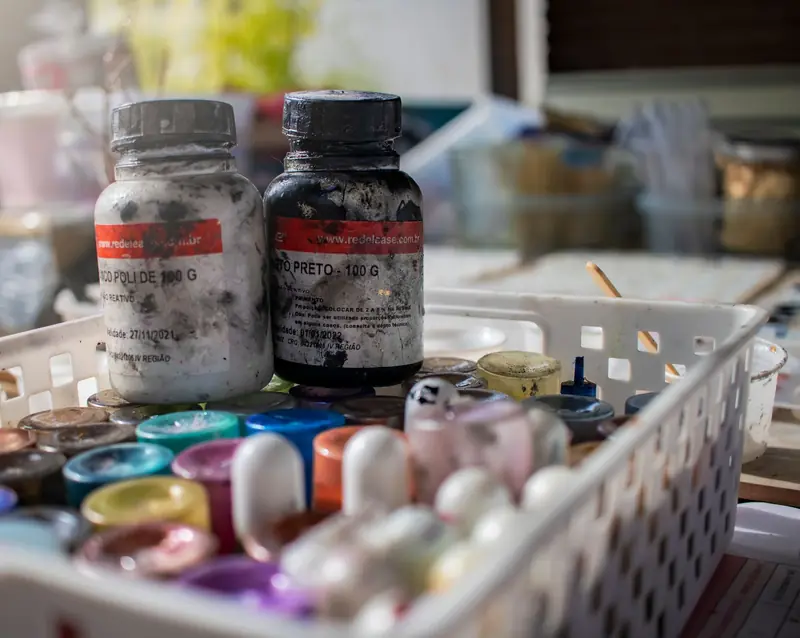
Inventory tracking is the step most people skip and the one with the clearest payoff. A simple spreadsheet listing brand, number, name, and a rough fill level ends duplicate purchases permanently and makes shopping lists trivial. Several free hobby apps and community spreadsheets exist for exactly this purpose, some with checkbox lists for entire paint ranges. The habit that makes it work is small: update the list when a bottle runs low or joins the collection, which takes seconds. Marking bottle caps with a dot of the actual paint also helps enormously when cap colors or labels are misleading.
Shelf life is mostly within your control
Shelf life is mostly within your control. Paint dies by evaporation and contamination, so the routine that extends life is cleaning the bottle threads and dropper tips before recapping, closing bottles during sessions rather than leaving them open, and shaking or stirring thoroughly so pigment does not compact into a brick at the bottom. Agitator balls, either purchased steel or glass beads dropped into bottles, make remixing settled paint far easier. Thick but living paint revives with the manufacturer's own thinner added a few drops at a time, while paint that has turned to rubbery strings or smells wrong is finished and should be replaced without mourning.
An active palette pays off during projects
A last organizational layer pays off during projects: the concept of an active palette. Rather than working from the full wall of paint, pull the eight or ten bottles a project needs into a small tray that lives with the kit. Everything gets returned to the main rack when the build finishes. This keeps the bench clear, makes color schemes repeatable when a touch-up is needed months later if you note the numbers on the instruction sheet, and turns the paint wall from a pile of stuff into what it should be, a library where every color has a known place and a known state.
Frequently asked questions
How should model paint be organized? A two-level sort works best for most collections: first by brand or paint type since acrylics, enamels, and lacquers thin and mix differently, then by color family within each type.
How can I stop buying duplicate paint bottles? Keep a simple spreadsheet listing brand, number, name, and rough fill level, updating it when a bottle runs low or joins the collection, which ends duplicate purchases permanently.
How do you make model paint last longer? Clean the bottle threads and dropper tips before recapping, keep bottles closed during sessions rather than left open, and shake or stir thoroughly so pigment doesn't compact at the bottom.
What conditions kill hobby paint fastest? Heat, light, and frost, so paint should be stored upright and kept out of direct sunlight and away from radiators and freezing windowsills.
Popular right now
- Best Magnifiers for Scale ModelingBuying guide
- Best Modeling Putty: Fill Seams and Gaps Like a ProBuying guide
- Best Airbrush Cleaners for ModelersBuying guide
- Best Hobby Lamps for Model BuildingBuying guide
- Best Brush Sets for Model Painting: Detail Brushes That Keep Their PointBuying guide
- Restoring Old Model KitsArticle
Based on the last 28 days of search and visitor data.