How to Stop Paint Lifting With Masking Tape on Models
Published How we research
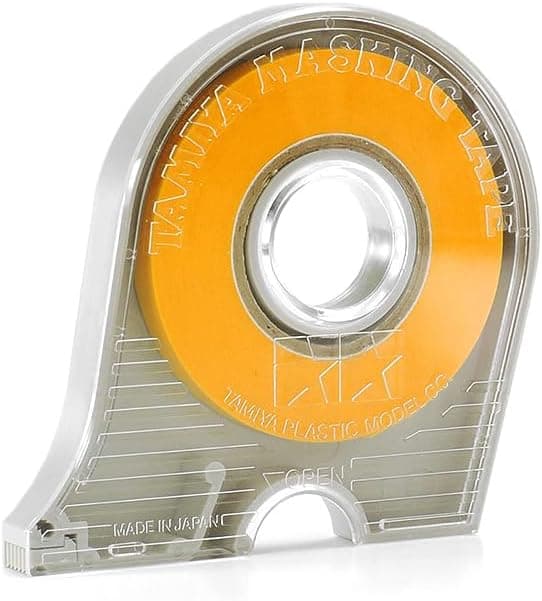
Masking lets modellers create crisp camouflage lines, stripes and two-tone schemes, but removing tape can pull off patches of carefully applied paint. When paint lifts, it usually means the paint or primer did not bond well to the plastic, the paint was not cured, or the tape was too sticky or removed the wrong way. Good preparation and patience prevent most lifting.
Clean the plastic before painting
Model kits often have mould release agents and oils from handling on their surfaces. These create a slippery layer that stops primer and paint from bonding firmly, so tape pulls paint straight off.
Wash sprues or assembled parts in warm water with a little dish soap, rinse and let them dry thoroughly. Handle parts with gloves or clean hands afterward, and wipe with a little isopropyl alcohol where suitable.
Prime and let paint cure
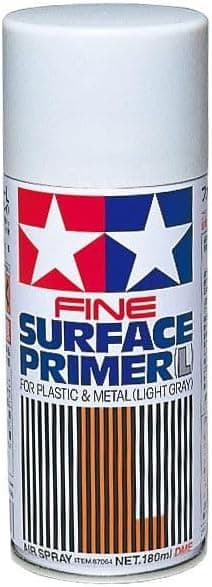
Primer gives paint a surface to grip. Apply thin coats of primer designed for plastic models and allow it to dry according to the manufacturer's guidance.
Paint can feel dry to the touch long before it is fully cured. Wait longer before masking, especially with acrylics, which may need a day or more to harden fully in cool or humid conditions.
Choose the right tape
Hobby masking tapes have lower tack than household tapes. Painter's tape and general-purpose masking tape may be too sticky for delicate model finishes.
Reduce tack further by pressing tape onto clean skin or a cutting mat once before applying it to the model. Burnish edges down firmly where you need crisp lines, and leave the rest lightly pressed.
Remove tape carefully
Peel tape slowly, pulling it back over itself at a low angle rather than straight up. If paint begins to lift, stop and cut along the edge with a sharp hobby knife before continuing.
Remove masks once paint is dry to the touch but before it has fully hardened along the tape edge. Very thick paint layers can bridge the tape edge and tear when it is removed.
Repair lifted paint
If small patches lift, lightly sand the edges smooth with fine sanding sponges, reprime if bare plastic shows and repaint. Blend repairs with thin coats.
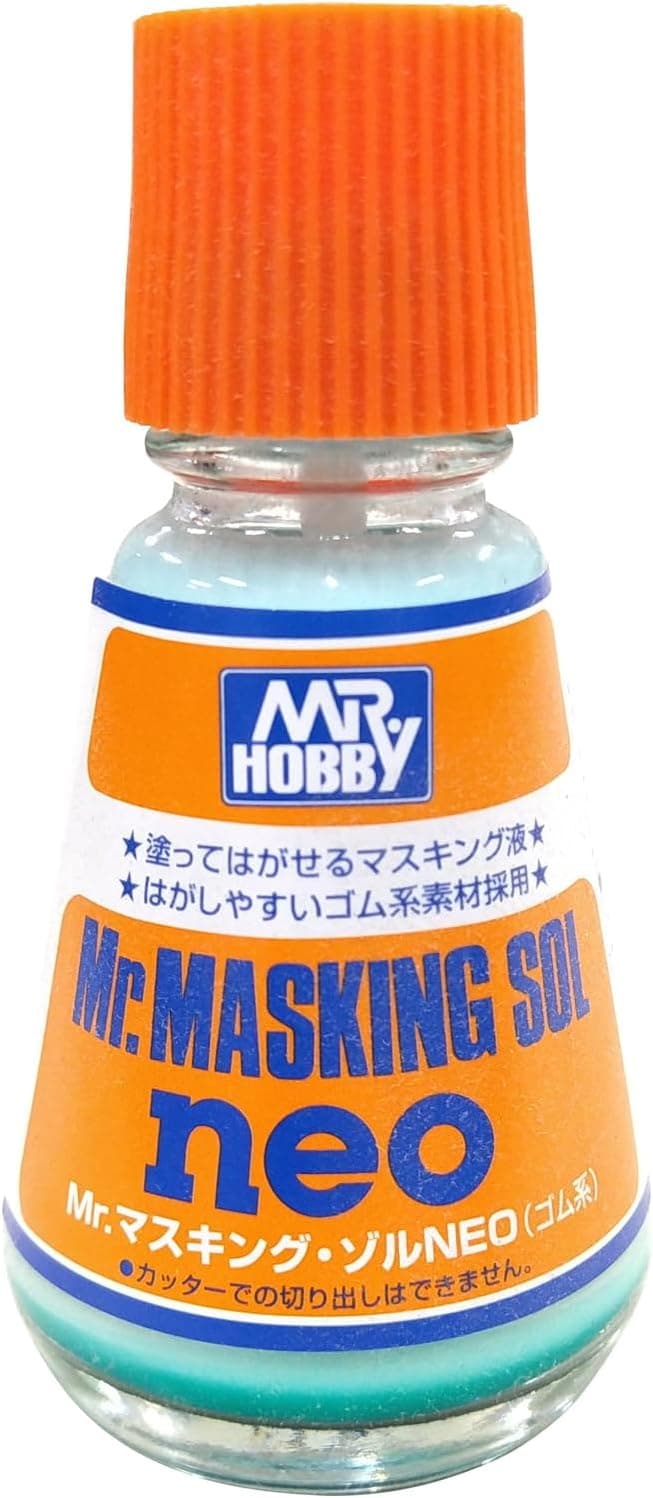
Gloss coats over base colours before masking the next colour add another layer of protection. Liquid masking fluid can be used for small, complex areas where tape does not conform.
Test combinations
Different primers, paints and tapes interact differently. Test masking on a spare part or plastic spoon painted with the same materials before using them on a finished model.
Keep notes on which combinations work best in your workspace conditions. Humidity and temperature can change results from season to season.
Products from this article
The highest-scoring picks from the buying guides mentioned above. Scores are our editorial assessment, not customer ratings.
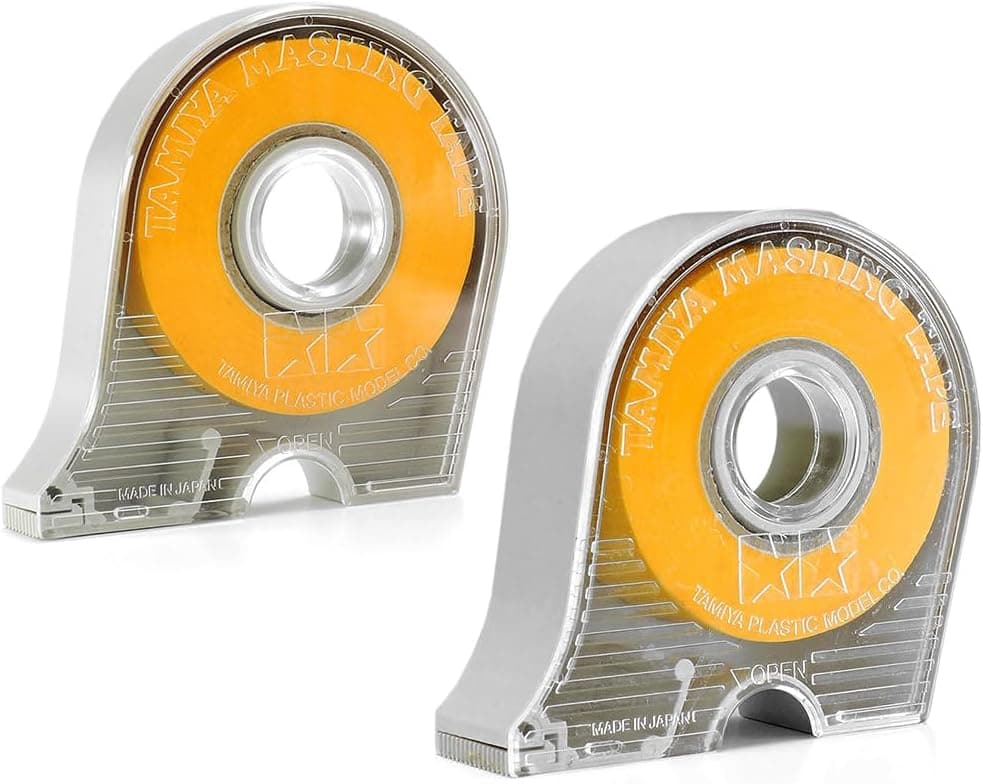
+ 6mm and 10mm widths cover detail and larger masking
From our guide: Best Masking Tape for Scale Models
+ Very fine spray preserves delicate surface detail
From our guide: Best Model Primers: Surface Prep That Makes Every Paint Job Better
+ Blue tint shows exactly where mask has been applied
From our guide: Best Liquid Mask for Scale Models
+ Low tack tape removes cleanly without lifting paint
From our guide: Best Masking Tape for Scale Models
Popular right now
- Best Magnifiers for Scale ModelingBuying guide
- Gluing Model Kits Without MessArticle
- Applying Decals ProperlyArticle
- Understanding Model ScalesArticle
- Restoring Old Model KitsArticle
- Removing Parts from Sprues Cleanly Without DamageArticle
Based on the last 28 days of search and visitor data.