Scale Modeling for Beginners
Published How we research
Scale modeling looks intimidating from the outside. Photographs of museum-quality tanks and aircraft suggest you need an airbrush, a hundred paints, and a decade of practice before you can build anything worth keeping. The truth is far friendlier. A beginner with a simple kit, a few basic tools, and one free weekend can produce a model that looks good on a shelf. The hobby rewards patience more than talent, and every skill it demands can be learned one small step at a time.
Products from this article
The highest-scoring picks from the buying guides this article links to. Scores are our editorial assessment, not customer ratings.
+ Extra thin formula flows into seams for nearly invisible bonds
From our guide: Best Model Building Tools for Beginners
+ 16 Model Color bottles cover a wide brush painting palette
From our guide: Best Model Paint Sets: Acrylic and Enamel Starter Kits Worth Buying
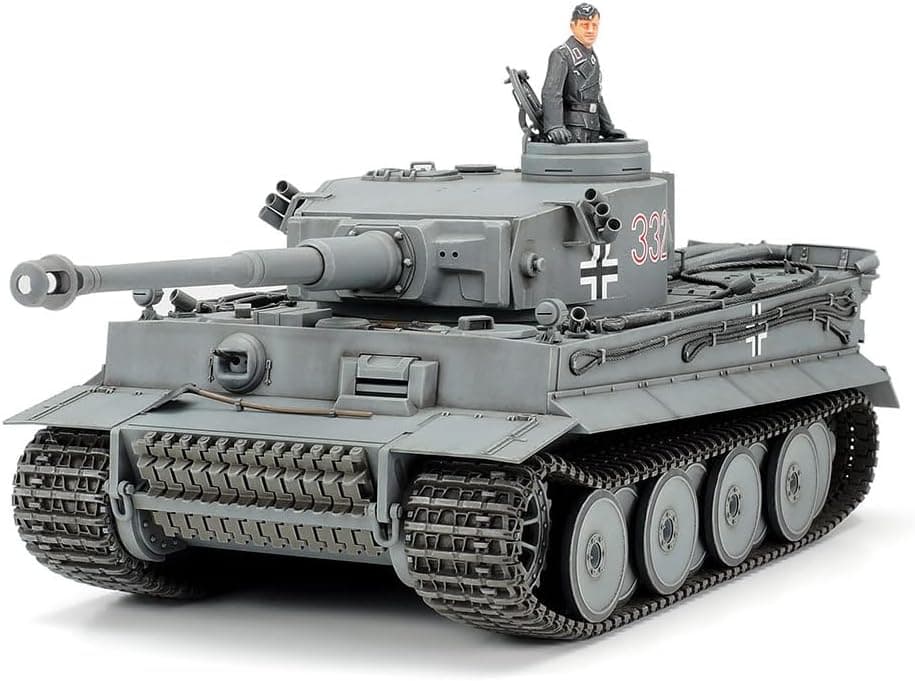
+ Early production details distinguish it from later Tiger variants
From our guide: Best Model Tank Kits: Top Armor Picks for Scale Modelers
+ Very fine spray preserves delicate surface detail
From our guide: Best Model Building Tools for Beginners
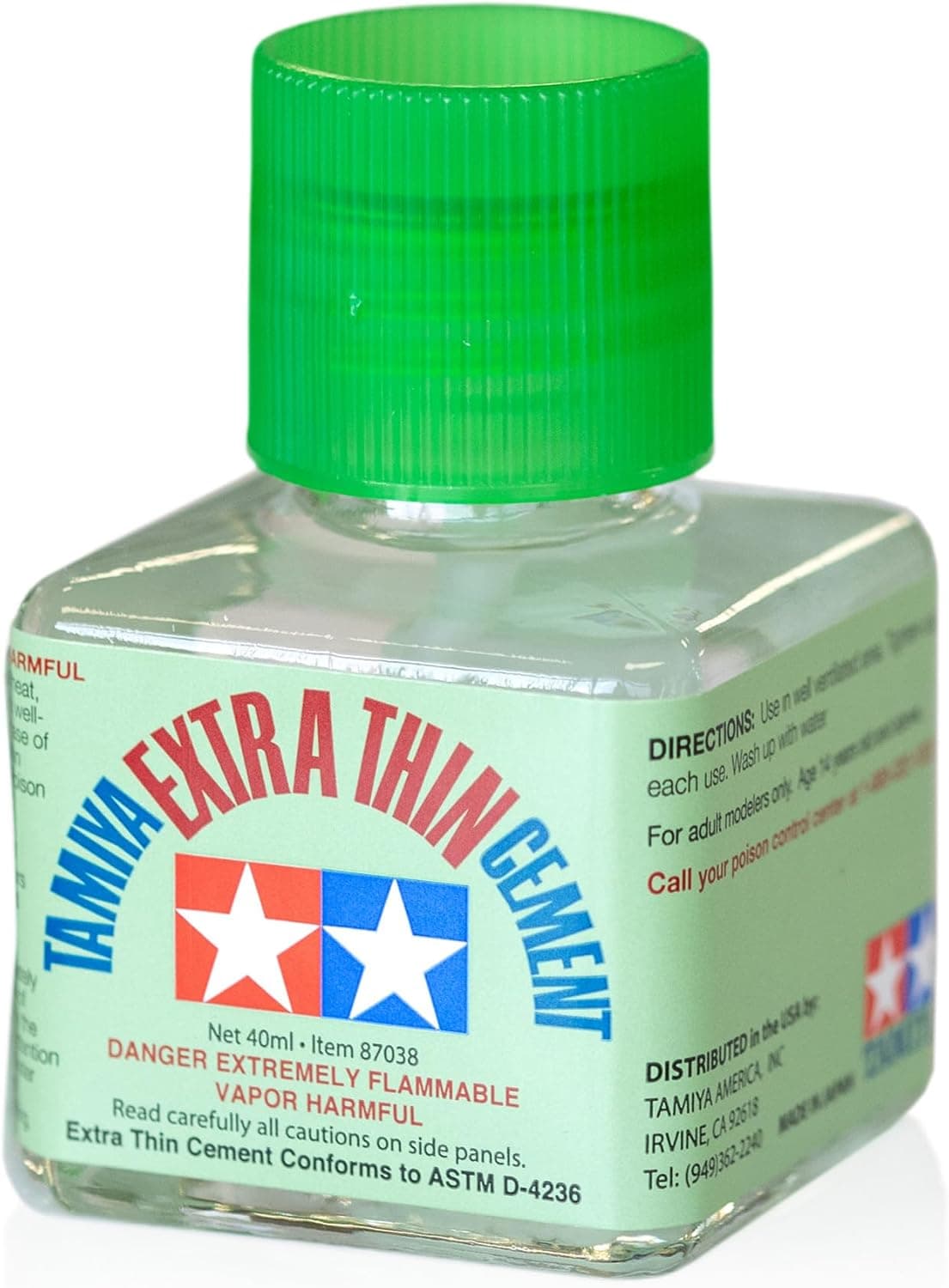
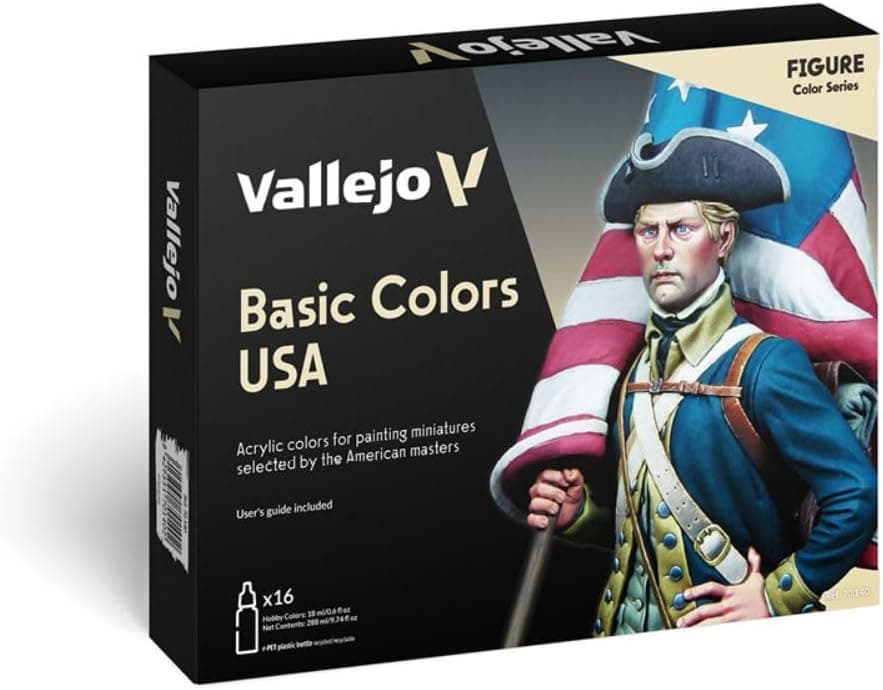
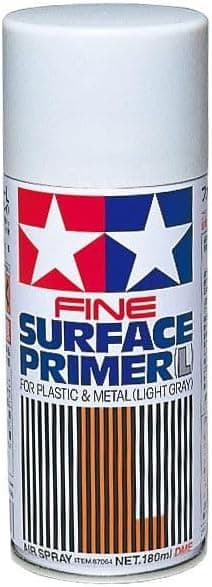
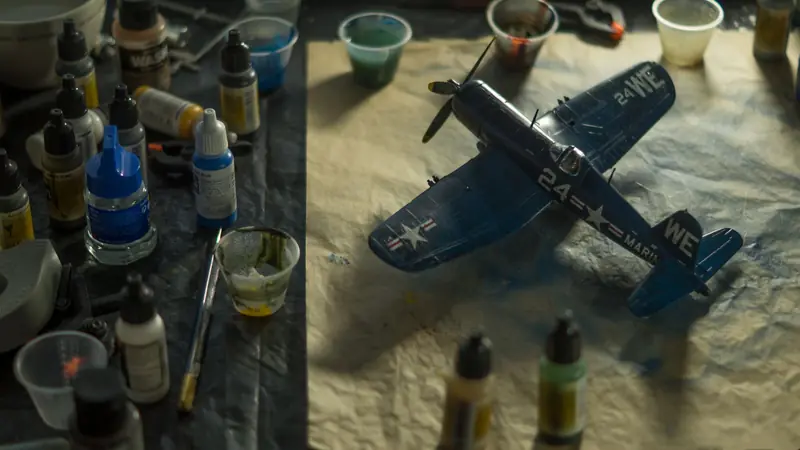
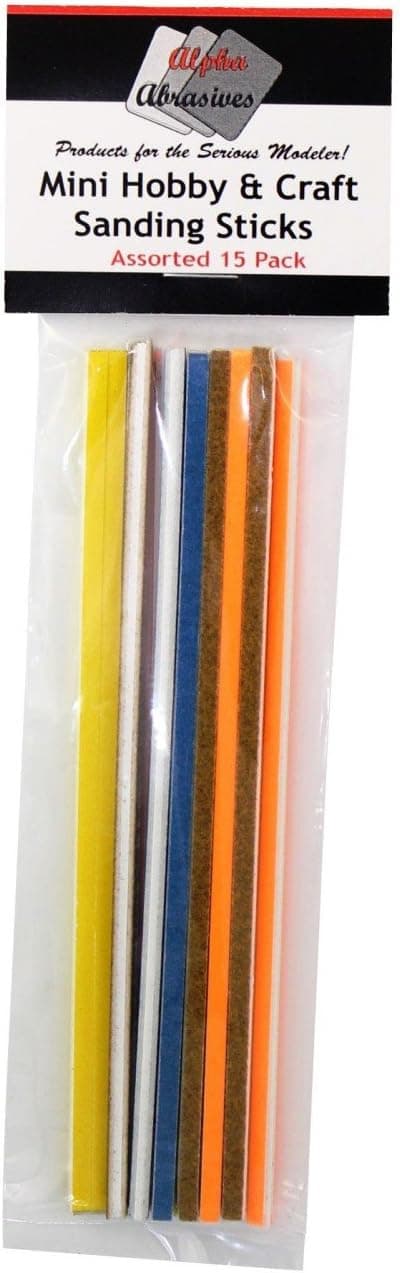
Start with the smallest sensible toolkit. You need a sprue cutter to remove parts, a hobby knife to clean them up, a sanding stick or two, and plastic cement. Add a bottle of primer, five or six acrylic paints, and two decent brushes and you are fully equipped for your first several builds. Resist the urge to buy everything a hobby store offers. Tools you buy before you understand their purpose tend to sit unused, and the money is better spent on a second kit once you know what you enjoy.
Your first kit matters more than most beginners realize. Choose something with a modest part count, ideally under a hundred pieces, from a modern manufacturer known for good fit. A snap-fit car, a small aircraft in 1/72 scale, or an entry-level Gundam kit are all forgiving choices. Older kits from the 1970s can be tempting because they are cheap, but poor fit and warped parts will teach you frustration instead of technique. Modern tooling does half the work for you.
Work through the instructions in order and slow down at every step. Dry fit parts before applying glue so you understand how they align. Remove parts only as you need them, because a bag of loose pieces separated from their numbered sprues is a puzzle nobody enjoys. When something goes wrong, and something will, stop and think before reaching for more glue. Most beginner mistakes are recoverable with a little sanding and patience, but panicked fixes usually make things worse.
Paint is where beginners most often lose confidence, so keep your first approach simple. Prime the model, apply base colors with a brush in thin coats, and accept that brush marks and small flaws are part of learning. A wash of thinned dark paint flowed into recesses will add depth and hide more sins than you expect. Do not compare your first build to contest winners online. Compare it to the bare plastic it started as, and you will see how much you accomplished.
Finally, finish the kit. This sounds obvious, but abandoned half-built models are the most common failure mode in the hobby. A completed model, flaws and all, teaches you more than three perfect subassemblies left in a box. Set the finished build somewhere visible, note two or three things you want to do better, and start the next one. Skills compound quickly when each project actually reaches the end, and by your fifth kit you will be giving advice to someone else who is just starting out.
Popular right now
- Best Magnifiers for Scale ModelingBuying guide
- Best Modeling Putty: Fill Seams and Gaps Like a ProBuying guide
- Best Airbrush Cleaners for ModelersBuying guide
- Best Hobby Lamps for Model BuildingBuying guide
- Best Brush Sets for Model Painting: Detail Brushes That Keep Their PointBuying guide
- Restoring Old Model KitsArticle
Based on the last 28 days of search and visitor data.