Wooden Ship Model Basics
Published How we research
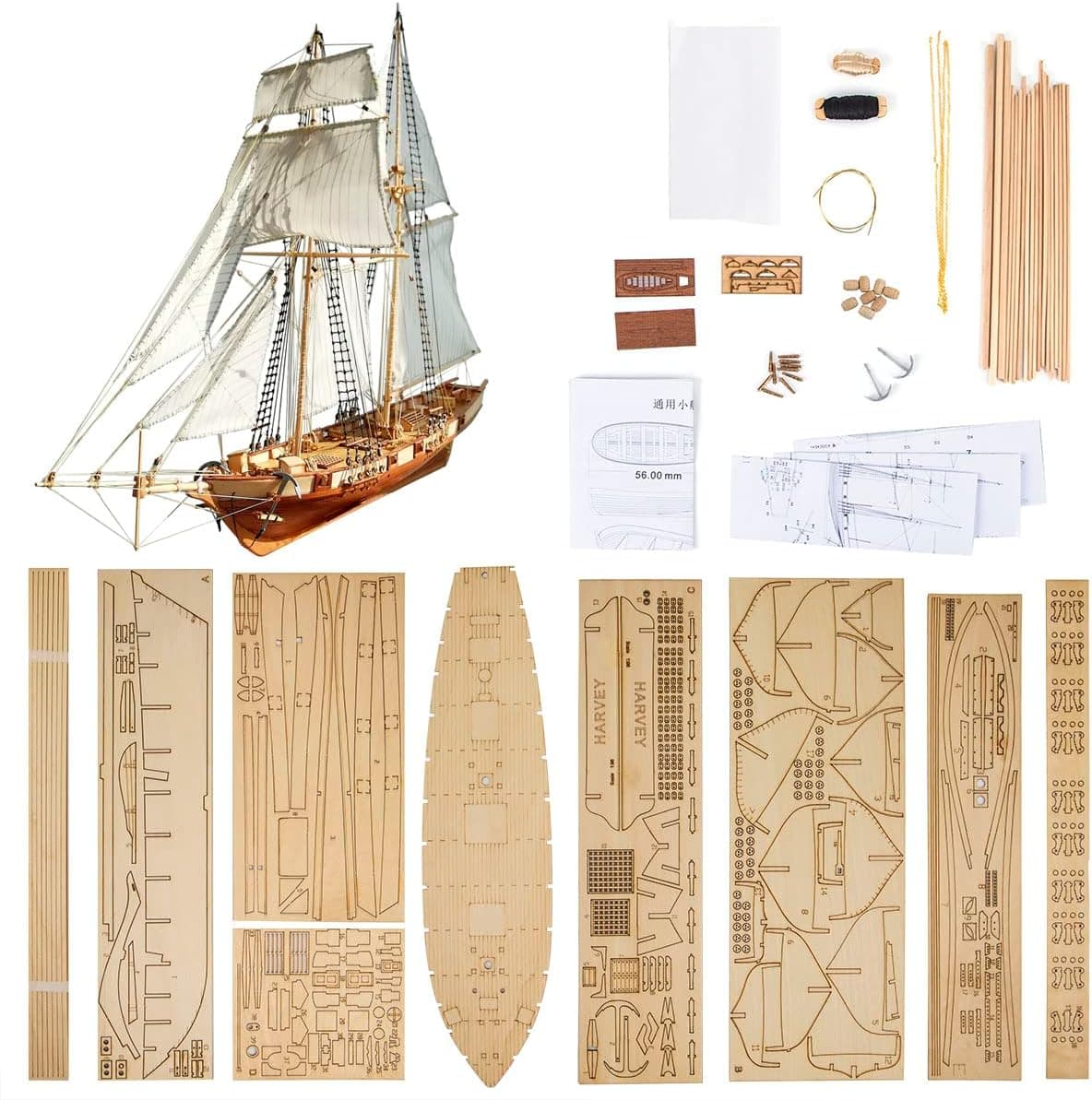
Wooden ship modeling is the patient elder of the modeling world. Where a plastic aircraft finishes in weeks, a wooden ship can absorb a year of evenings, and the finished vessel carries the unmistakable warmth of real timber, brass, and rigging line. The craft looks daunting from the outside, but the skills are learned one plank at a time, and choosing the right first kit determines almost everything about whether the experience is rewarding or miserable.
Products from this article
The highest-scoring picks from the buying guides this article links to. Scores are our editorial assessment, not customer ratings.
+ Vasa's carved stern and tall masts make a dramatic showpiece
From our guide: Best Wooden Ship Kits: Classic Sailing Ship Models
+ Extra thin formula flows into seams for nearly invisible bonds
From our guide: Best Model Building Tools for Beginners
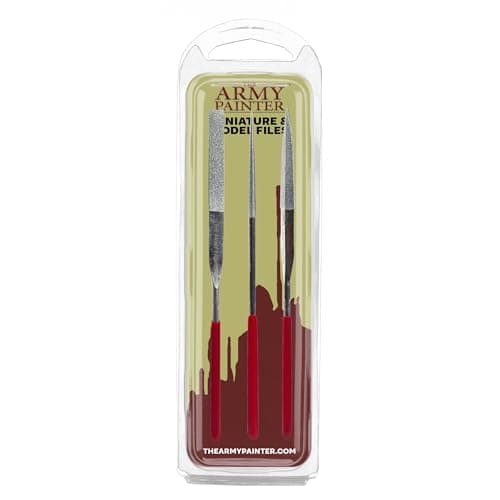
+ Three distinct shapes in one small set: rounded, squared and angular
From our guide: Best Model Files: Precision Files for Kit Cleanup
+ Large 1:60 display model: 28.4 inches long, 18.9 inches tall and 9 inches wide when fully assembled
From our guide: Best Wooden Ship Kits: Classic Sailing Ship Models


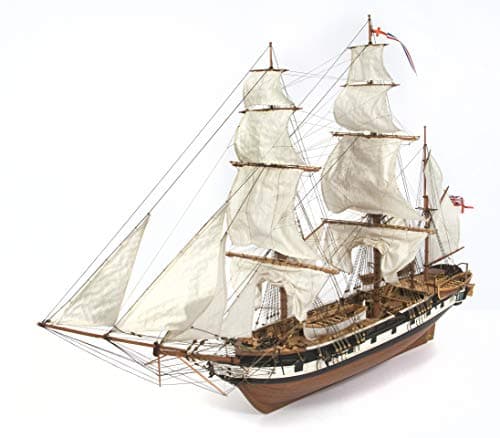

Beginner kit selection has a firm rule: start small and simple, and resist the majestic three-masted flagship on the box art. Large historic warships involve thousands of parts, compound hull curves, and rigging plans of genuine complexity, and they sink most first-time builders. Ideal first subjects are single-masted vessels or small workboats, such as fishing smacks, cutters, or longboats, from manufacturers known for good instructions like Occre, Artesania Latina, Vanguard Models, or Model Shipways. Several companies sell explicit beginner ranges with thorough step-by-step guides, and those ranges exist because the industry knows exactly where newcomers struggle.
Most kits use plank-on-bulkhead construction, in which a spine of plywood frames slots together and thin wooden strips are bent and glued over the skeleton to form the hull. Planking is the heart of the craft and the step that intimidates people most. The secrets are water and patience: strips soaked or steamed bend willingly around curves, and clamping each plank until dry prevents the gaps and ridges that plague rushed hulls. First hulls are usually double-planked, with a rough base layer that gets sanded and faired smooth before a thin decorative veneer layer covers it, meaning early mistakes literally get covered over.
The tool list is modest and mostly shared with general woodcraft. A hobby knife, razor saw, sanding blocks in several grits, small clamps and clothespins, PVA wood glue, CA glue for metal fittings, a pin vise with fine drill bits, and a steel ruler cover the construction. Add a plank bender or a travel iron for shaping strips, tweezers for fittings, and a cutting mat. Nothing requires power tools, though a small rotary tool earns its keep on later builds.
Rigging, the web of standing and running lines that defines a sailing ship, deserves respect but not fear on a first build, which is precisely why single-masted subjects are recommended. Standing rigging in black line supports the mast, running rigging in tan line works the sails, and the kit plans show each line individually. Work from the centerline outward and from bottom to top, keep lines taut with a touch of diluted PVA to lock knots, and accept that your first ratlines will be imperfect. Like planking, rigging is a skill that visibly improves within a single model.
The deeper adjustment wooden ships ask of a builder is pace. Sessions produce two planks, one cannon rigged, a rail sanded fair, and the model grows almost imperceptibly until one evening it is suddenly a ship. Many builders keep a plastic kit going in parallel for faster gratification. But the slow accumulation is the point, and the finished vessel, unmistakably handmade in a way injection-molded plastic can never be, tends to become the piece visitors ask about first.
Popular right now
- Best Magnifiers for Scale ModelingBuying guide
- Best Modeling Putty: Fill Seams and Gaps Like a ProBuying guide
- Best Airbrush Cleaners for ModelersBuying guide
- Best Hobby Lamps for Model BuildingBuying guide
- Best Brush Sets for Model Painting: Detail Brushes That Keep Their PointBuying guide
- Restoring Old Model KitsArticle
Based on the last 28 days of search and visitor data.