Model Rockets Intro
Published How we research
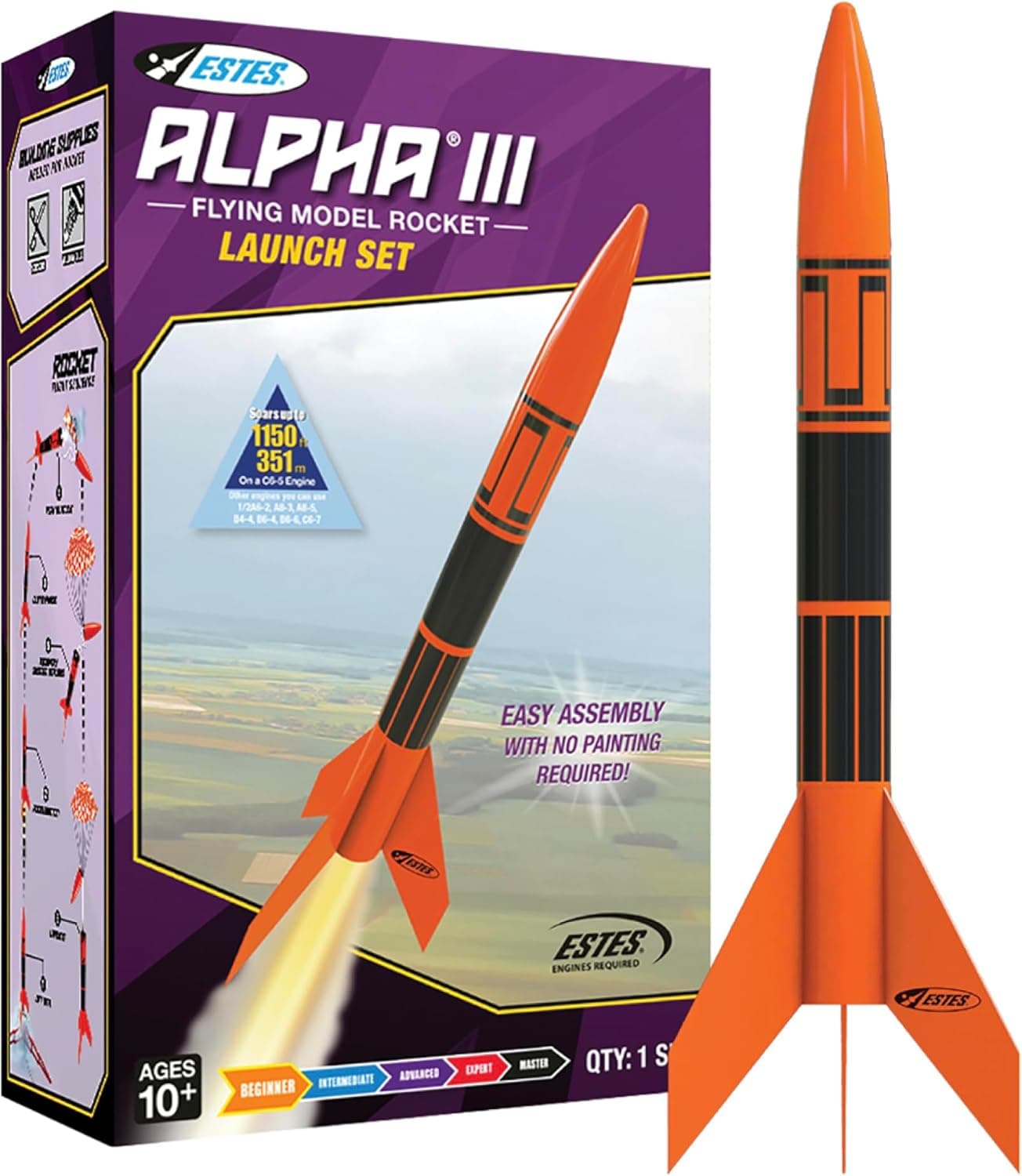
Model rocketry is the branch of the hobby where the finished build leaves the shelf and climbs several hundred meters into the sky. That single fact changes everything about how models are built, because a rocket is a flying machine whose construction quality determines whether it soars straight, arcs dangerously, or comes home in pieces. It is also a spectacularly accessible hobby, with complete starter sets available for the price of a mid-range plastic kit.
Products from this article
The highest-scoring picks from the buying guides this article links to. Scores are our editorial assessment, not customer ratings.
+ Launch pad and controller are included, so you only add engines
From our guide: Best Model Rocket Kits: Top Flying and Display Rockets
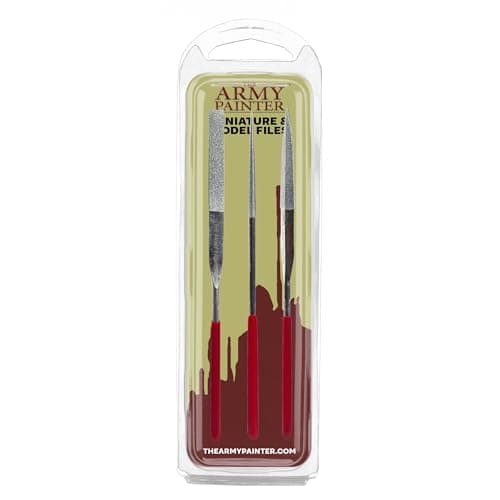
+ Three distinct shapes in one small set: rounded, squared and angular
From our guide: Best Model Files: Precision Files for Kit Cleanup
+ Extra thin formula flows into seams for nearly invisible bonds
From our guide: Best Model Building Tools for Beginners
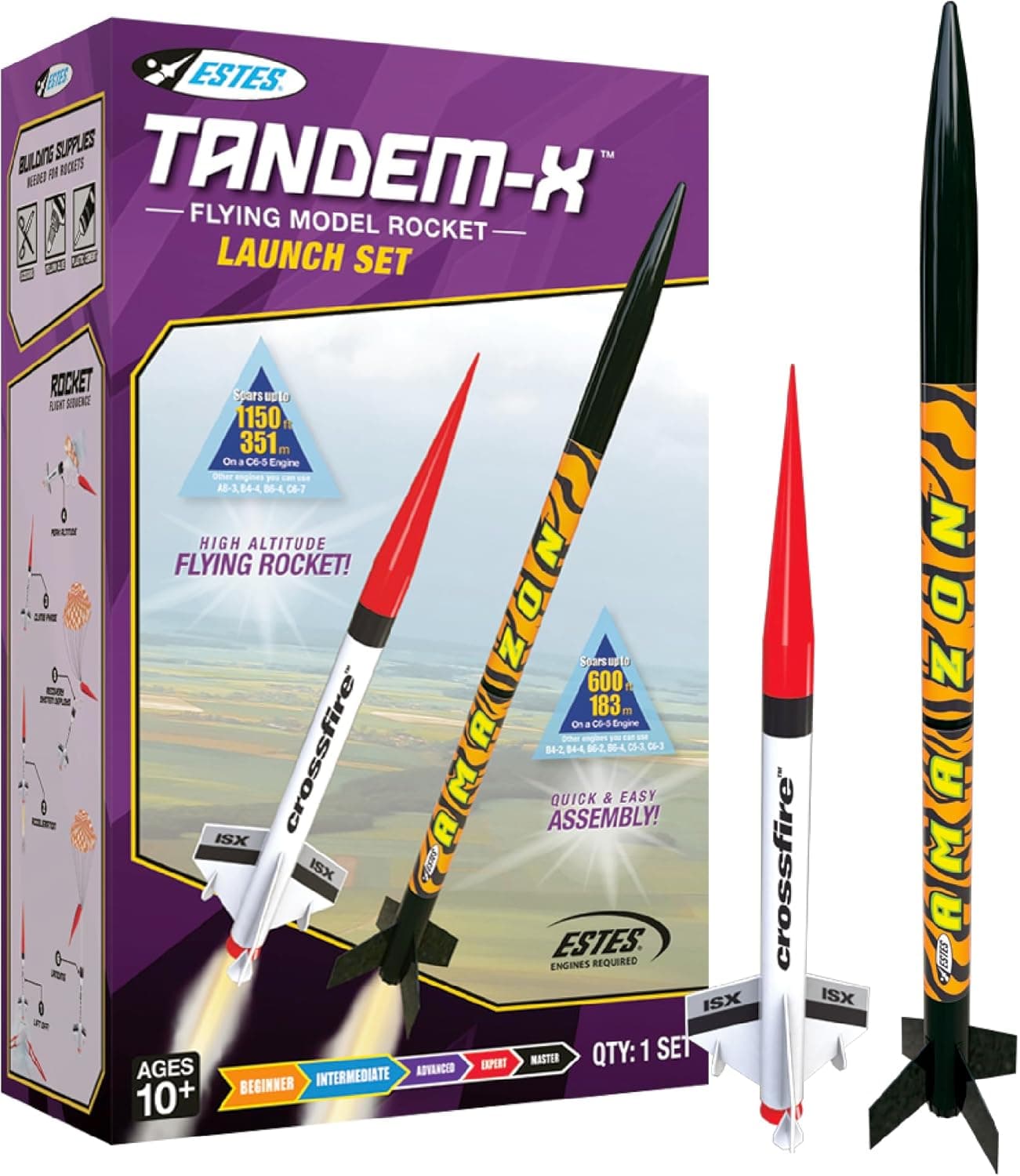
+ Two rockets in one set give variety for families flying together
From our guide: Best Model Rocket Kits: Top Flying and Display Rockets

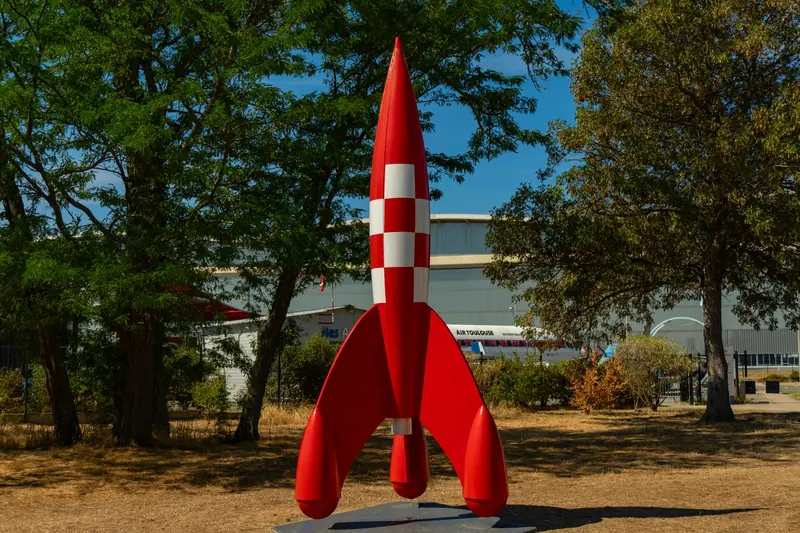
A modern model rocket is simple machinery. A cardboard body tube carries a plastic nose cone, balsa or plastic fins, an engine mount holding a replaceable solid propellant motor, and a recovery system, usually a parachute or streamer packed beneath the nose. The motor burns for a second or two, coasts the rocket to apogee, then fires a small ejection charge that pops the nose cone and deploys the recovery device. Motors are single-use, cheap, and standardized, so one airframe flies again and again.
Engine classes are labeled by letters, and each letter doubles the total power of the one before, so a B motor is twice an A, and a C twice a B. Beginners should start with A and B motors in a small lightweight rocket, which keeps flights visible, recovery walks short, and mistakes affordable. The letter is followed by numbers describing average thrust and the delay before the ejection charge, and kit instructions list exactly which motors each design accepts. Respecting that list is a safety matter, not a suggestion.
Construction rewards care in three specific places. Fins must be aligned straight and evenly spaced, because crooked fins make a rocket corkscrew and waste altitude, so use an alignment guide or jig rather than eyeballing. The launch lug, the small tube that rides the launch rod, must parallel the body precisely. And the recovery system needs genuine attention: the shock cord anchored firmly, the parachute dusted with talc and packed loosely, and flame-protective wadding inserted before every flight so the ejection charge does not melt the chute. Most lost or damaged rockets trace to rushed recovery packing, not bad luck.
Flying safely follows the model rocket safety code published by national rocketry associations, and the essentials are easy to internalize. Launch from a large open field far from dry grass, power lines, and trees, use the electrical launch controller from the recommended standoff distance, angle the rod slightly away from spectators, never into wind stronger than a gentle breeze, and wait for the range to be clear before any countdown. Check local regulations, which in most places are permissive for small motors but vary on field requirements and larger engines.
The hobby scales upward gracefully. After a few successful flights, builders move to payload rockets carrying altimeters, two-stage designs, scale models of real launch vehicles, and eventually mid-power and high-power rocketry with certification programs. Others stay happily with small sport models, refining finishes and chasing perfect straight boosts. Either way, the first time a rocket you assembled at a kitchen table leaps off the pad with a hiss and a smoke trail, the appeal explains itself, and the walk to retrieve it under its parachute is the most satisfying stroll in modeling.
Popular right now
- Best Magnifiers for Scale ModelingBuying guide
- Best Modeling Putty: Fill Seams and Gaps Like a ProBuying guide
- Best Airbrush Cleaners for ModelersBuying guide
- Best Hobby Lamps for Model BuildingBuying guide
- Best Brush Sets for Model Painting: Detail Brushes That Keep Their PointBuying guide
- Restoring Old Model KitsArticle
Based on the last 28 days of search and visitor data.